Trends in Pet Food: The Growth of Veganism and Vegetarianism
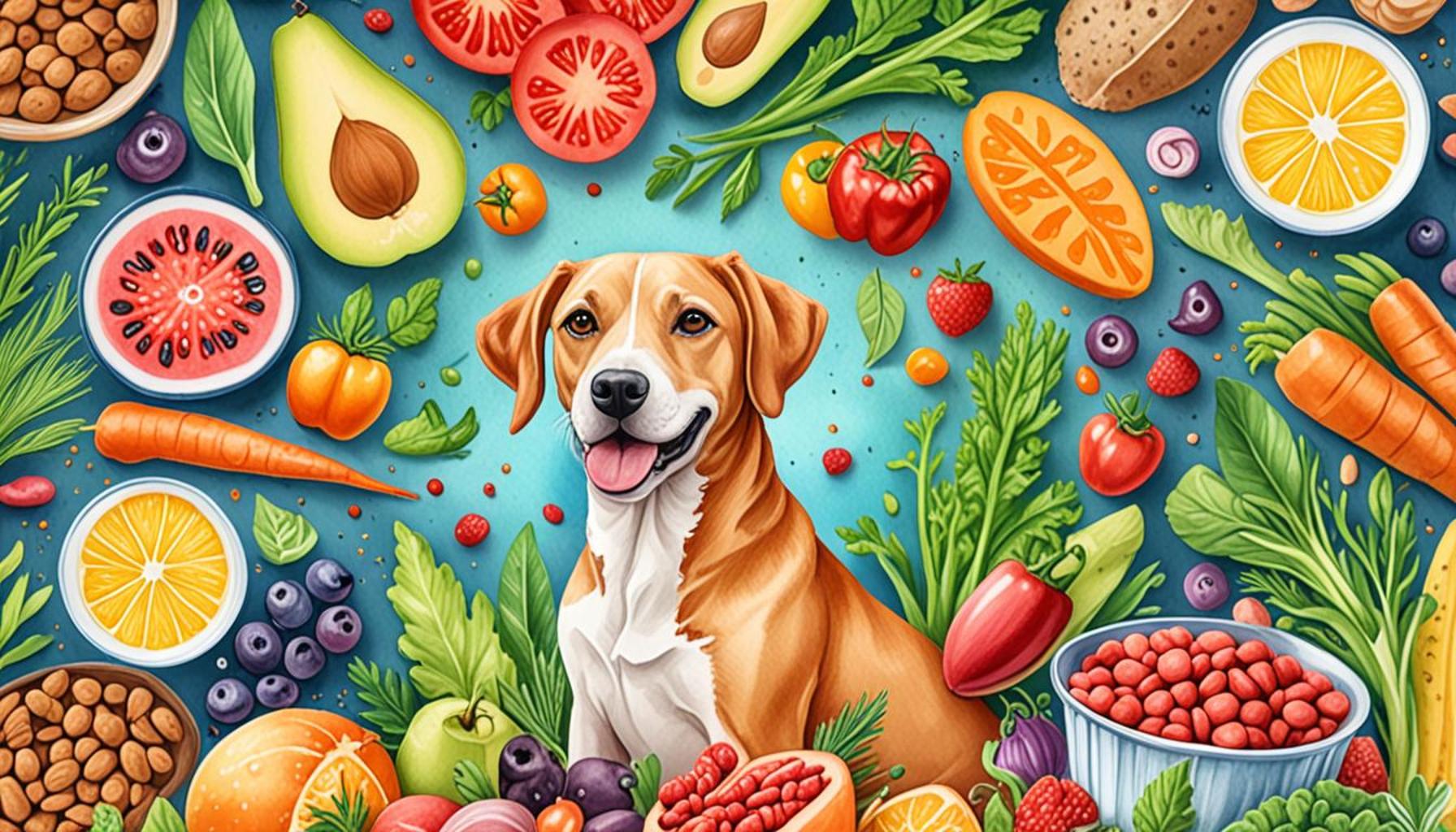
The Growing Demand for Vegan and Vegetarian Pet Food
The significant shift towards vegan and vegetarian diets for pets represents a fascinating evolution in consumer behavior within the pet food industry. Increasingly, pet owners are considering the implications of what they feed their animals — not only in terms of health but also regarding broader ethical and environmental concerns. This transformation in pet nutrition is reflective of a societal shift toward greater consciousness about food sources and their impacts on both individual health and the health of the planet.
One of the major driving forces behind this trend is the rising awareness of health concerns. Owners are becoming more informed about the benefits of a balanced plant-based diet, which advocates suggest may help in preventing chronic conditions such as obesity, kidney disease, and food allergies that can affect pets. For instance, some studies indicate that pets fed plant-based diets can experience improved digestion and enhanced coat condition. This has led many pet parents to seek out nutritionist-approved vegan diets that meet or even exceed the nutritional needs of their pets, ensuring they receive necessary proteins and vitamins from alternative sources.
The environmental impact of traditional meat-based pet foods cannot be overlooked either. As concerns about climate change and sustainability grow, many consumers are motivated to reduce their carbon footprints. The production of meat for pet food significantly contributes to greenhouse gas emissions and deforestation. In contrast, plant-based ingredients require fewer natural resources, making vegan options a more sustainable alternative. Brands like Wild Earth have championed this cause, creating dog food while focusing on sustainability as a primary selling point. This illustrates a notable shift in consumer preference toward brands that prioritize ecological sustainability.
Moreover, the aspect of ethics and animal welfare is a major factor influencing pet owners’ decisions. In a society where empathy for animals has gained traction, many are choosing to forgo animal-sourced ingredients out of compassion. As a result, the pet food market is increasingly populated by products that are not only meat-free but also designed to reflect the same values of kindness towards animals that many pet owners advocate. Some companies are engaging in transparent sourcing practices, highlighting their commitment to ethical production, which helps to build trust and loyalty among consumers.
This dynamic market landscape is highlighted by the introduction of new product formulations that ensure nutritional adequacy for vegan and vegetarian diets. Many leading brands are incorporating ingredients such as lentils, peas, quinoa, and other plant proteins to create balanced meals. For example, major pet food companies like Blue Buffalo and Purina are now launching lines specifically designed for plant-based diets, indicating a strong commitment to evolving with consumer demand.

As this trend continues to grow, pet owners now face an extensive array of options that cater to their diverse needs and lifestyles. This transformation prompts further exploration into the fascinating world of vegan and vegetarian pet food trends, offering insights into not only what pets are eating, but also how these choices reflect the values of their owners and impact the industry at large. In a world where dietary choices are increasingly influenced by health, sustainability, and compassion, the evolution of pet nutrition is surely one of the most intriguing narratives to follow.
Rising Popularity and Options in Plant-Based Pet Nutrition
The shift towards vegan and vegetarian pet food is rapidly transforming the market landscape, catering to a growing segment of pet owners who prioritize health, sustainability, and ethical considerations. In the United States, the trend has gained momentum as companies rise to meet increased demand for meat-free diets. This surge in interest reflects a broader movement towards mindful consumption, as pet owners begin to recognize the parallels between their dietary choices and those made for their beloved companions.
A pivotal factor in the growth of this market is the evolving perception of pet care. According to a report from the American Pet Products Association, approximately 12% of pet owners are now opting for plant-based diets for their pets. This figure represents a remarkable increase from previous years, suggesting that the notion of meatless alternatives is becoming more acceptable and mainstream. Pet owners are increasingly influenced by the same nutritional principles that have spurred the rise of veganism and vegetarianism in human diets, opting for products that align with these values.
Within this expanding category, a wide variety of formulations and flavors is emerging, providing pet owners with diverse choices. These products are created to ensure that pets receive all the vital nutrients they need, while still adhering to plant-based principles. Some popular ingredients in these formulations include:
- Chickpeas: Serving as a great source of protein, fiber, and essential vitamins.
- Peas: Providing both protein and carbohydrates, making them a staple in many plant-based pet food brands.
- Quinoa: A complete protein that is rich in essential amino acids and easy to digest.
- Sweet potatoes: Offering vital nutrients and being highly palatable for pets.
- Flaxseed: An excellent source of omega-3 fatty acids, which promotes healthy skin and coat.
Notably, manufacturers are investing heavily in research to formulate these diets to meet the needs of animals at different life stages. Nutritional experts are working alongside veterinarians to create balanced meals that provide an optimal combination of proteins, fats, carbohydrates, vitamins, and minerals. This commitment to ensuring that pets thrive on plant-based diets has led to certifications from organizations like the Association of American Feed Control Officials (AAFCO), which verifies that products are complete and balanced for adult, puppy, or kitten diets.
The role of transparency in labeling also cannot be understated. In response to consumer demand for more clarity, brands are increasingly showcasing ingredient sourcing, highlighting their ethical practices and the environmental benefits of their products. This increased visibility not only aids in building trust between consumers and manufacturers but also encourages pet owners to make informed choices that align with their values.
As more people continue to explore plant-based diets, the expanding availability of vegan and vegetarian options for pets opens up exciting possibilities. These choices not only benefit pets directly but also resonate with the values of their owners, making it an engaging and impactful topic of discussion in the pet food industry.
| Advantage | Description |
|---|---|
| Health Benefits | A vegan diet for pets can reduce the risk of obesity, diabetes, and allergies. |
| Environmental Impact | Choosing plant-based pet food contributes to lower carbon footprints and less deforestation. |
| Ethical Considerations | Vegan pet food appeals to owners who want to align their pets’ diets with their ethical beliefs. |
| Variety of Options | The market offers diverse vegan and vegetarian options tailored for different pet needs. |
| Nutritional Advances | Innovative formulations provide all essential nutrients without animal products. |
The rise in veganism and vegetarianism within the pet food industry reflects broader cultural shifts towards sustainability and ethical living. Many pet owners are now considering the impact of their pets’ diets on not just health, but also the environment. Vegan pet food options, which have evolved significantly over the years, now cater to a variety of tastes and needs, allowing pets to enjoy healthy, well-balanced meals made entirely from plants. Moreover, veterinary experts are increasingly backing the benefits of such diets, provided they are well-planned to meet all necessary nutritional requirements. As you explore the subject further, you’ll find intriguing brands and products that are leading this revolution, offering innovative recipes that satisfy both the hunger and the conscience of pet owners. The transformation in pet dietary habits not only promotes a healthier lifestyle for pets but also supports an active conversation around the future of sustainable living—both human and animal.
Consumer Education and the Role of Veterinary Guidance
The rise of vegan and vegetarian pet food is not only influenced by market dynamics but also by a growing wave of consumer education regarding animal nutrition. Pet owners are increasingly turning to credible sources, such as veterinarians and animal nutritionists, to ensure they understand the specific dietary needs of their pets. Many pet parents are eager to find alternatives that do not compromise their pets’ health or wellbeing and seek professional advice before making significant dietary changes.
Veterinary professionals are becoming more knowledgeable about plant-based nutrition, leading to enhanced conversations about the viability of these diets for pets. A 2022 survey revealed that about 73% of veterinarians believe that it is possible to provide a complete and balanced diet for companion animals using plant-based ingredients, as long as the diets are formulated appropriately. This growing acceptance indicates a shift in the veterinary field towards integrating plant-based options into the recommended dietary practices for pets.
Moreover, numerous studies highlight that a properly structured plant-based diet can lead to health benefits in pets, including improved digestion, healthier skin, and weight management. For example, research conducted at the University of California, Davis, found that vegetarian dogs showed lower levels of body fat and cholesterol than their meat-based counterparts. Such findings not only add credibility to the movement but also provide supportive evidence for pet owners considering a shift to plant-based diets.
Despite these positive trends, it is essential for pet owners to stay informed about potential nutritional imbalances that can occur if a vegan or vegetarian diet is not properly tailored to their pet’s needs. A nutrient deficiency in crucial areas such as protein, taurine, or certain amino acids can lead to adverse health outcomes. Pet owners are thus encouraged to prioritize brands that utilize the expertise of animal nutritionists and offer scientifically formulated diets that meet AAFCO standards.
Innovative Brands and Collaborations
As interest in vegan pet nutrition grows, several innovative brands are stepping up to the plate to lead the charge. Companies like Wild Earth and V-Dog are at the forefront, creating high-quality, nutritionally complete plant-based foods specifically designed for dogs and cats. Their products often incorporate novel protein sources like miso and algae, which not only provide essential nutrients but also boast a lower environmental footprint.
Additionally, some traditional pet food companies are recognizing the growing demand for vegetarian options and are responding with hybrid products that include both meat and plant-based ingredients. This dual-approach allows pet owners to gradually transition their pets to a plant-forward diet while still providing familiar flavors. Brands like Purina and Hill’s Pet Nutrition are expanding their lines to include vegetarian offerings that cater to a more diverse customer base.
This collaborative landscape fosters competition and drives innovation, ultimately benefiting pet owners and their furry companions. As brands vie for market share, we can expect a greater diversity of products, flavors, and formulations that cater to various pet dietary needs and preferences.
With the ongoing evolution of vegan and vegetarian pet food, it’s clear that the options available to pet owners will continue to expand, making it an exciting time for pet nutrition enthusiasts. As consumers become more empowered to make informed decisions, the future of pet food will likely reflect not just a commitment to animal welfare, but also an increasing focus on sustainability and health for both pets and the planet.
Embracing a New Era in Pet Nutrition
The evolution of vegan and vegetarian pet food is reshaping the landscape of pet nutrition, driven by informed consumers and responsive brands. As pet owners increasingly seek ethical and sustainable choices, the demand for plant-based diets is not only a trend but a movement toward more compassionate companion care. With over 73% of veterinarians acknowledging the potential of these diets, it’s evident that the veterinary community is starting to embrace a diet rich in plant ingredients, provided that they are well-formulated and nutritionally sound.
Moreover, innovative brands are at the forefront of this shift, breaking new ground with products that are not only environmentally sustainable but also nutritionally comprehensive. This includes the introduction of novel protein sources, such as miso and algae, that cater to the health standards of our furry friends. The growing collaboration between traditional pet food companies and vegan brands showcases a commitment to catering to a broader array of dietary preferences and values.
As we advance, the focus will be on educating pet owners about balanced nutrition and encouraging responsible choices, ensuring that no pet is left behind in this transformative journey. With the right guidance and quality products, pet parents can confidently navigate the world of vegan and vegetarian pet food, harnessing the power of nutrition for the wellbeing of their pets while advocating for a healthier planet. The expansion of options promises not just a new approach to pet care, but a future where both animal welfare and environmental sustainability are at the forefront of pet nutrition considerations.
Related posts:
Conscious Eating: How Nutrition Impacts Pet Behavior
The Role of Probiotics in Pet Nutrition
Tips for Creating Nutritious Homemade Meals for Dogs and Cats
Impact of Diet on the Longevity of Pets
The Importance of a Balanced Diet for Pet Health
Natural Foods vs. Commercial Feed: What is Better for Your Pet?

Linda Carter is a writer and pet care expert specializing in pet health, grooming, and wellness. With extensive experience helping pet owners create safe, loving, and enriching environments for their animals, Linda shares her knowledge on our platform. Her goal is to empower readers with practical advice and strategies to ensure their pets thrive and lead joyful, healthy lives.