The Role of Probiotics in Pet Nutrition
The Benefits and Importance of Probiotics in Pet Nutrition
In recent years, the spotlight on probiotics has shifted toward their integral role in improving pet health. These microscopic organisms, often labeled as ‘good bacteria,’ can significantly enhance various aspects of your pet’s well-being, particularly in the digestive realm. By gaining a deeper understanding of how probiotics function, pet owners can make more informed dietary decisions that contribute to the health and longevity of their companions.
Here are several significant benefits that underscore the importance of incorporating probiotics into pet diets:
- Digestive Health: Probiotics play a vital role in maintaining a balanced gut flora, essential for optimal digestion. Pets with a healthy gut are less likely to experience gastrointestinal issues such as diarrhea, constipation, or bloating. For instance, dogs suffering from food intolerances may find relief when their diets include specific strains of probiotics.
- Immune Support: A significant percentage of your pet’s immune system resides in its gut. An optimal balance of gut bacteria can bolster the immune response, allowing pets to better fend off infections and illnesses. Studies have shown that pets with a robust gut microbiome are less prone to common ailments, enhancing their overall vitality.
- Better Nutrient Absorption: Probiotics assist in breaking down food components, making it easier for pets to absorb essential vitamins and nutrients. This becomes particularly beneficial for animals with special dietary needs, as proper digestion can lead to improved coat health, increased energy levels, and even weight management.
The pet food industry has responded to this growing knowledge by integrating probiotics into a wide array of products. Brands now offer formulations that contain well-researched probiotic strains such as Lactobacillus and Bifidobacterium. These additives are specifically engineered to foster gut health, reflected in the energetic behavior of pets consuming them.
For pet owners looking to enhance their pets’ diets with probiotics, it is essential to read labels carefully. Many quality dog and cat foods are marketed as containing probiotics, but determining the presence of live cultures and the specific probiotic strains is crucial. Products often include terms like “with live active cultures,” which indicates their efficacy.
Research in the field of pet probiotics is continually advancing, unveiling more exciting possibilities for boosting pet health through nutrition. Discussions about the implications of probiotics on not just digestive health but also anxiety reduction and metabolic support are on the rise. With such promising developments, pet owners should remain informed, vigilant, and proactive in integrating probiotics into their pets’ diets, ensuring the happiest and healthiest companions.
Understanding Probiotics: A Deeper Dive into Gut Health
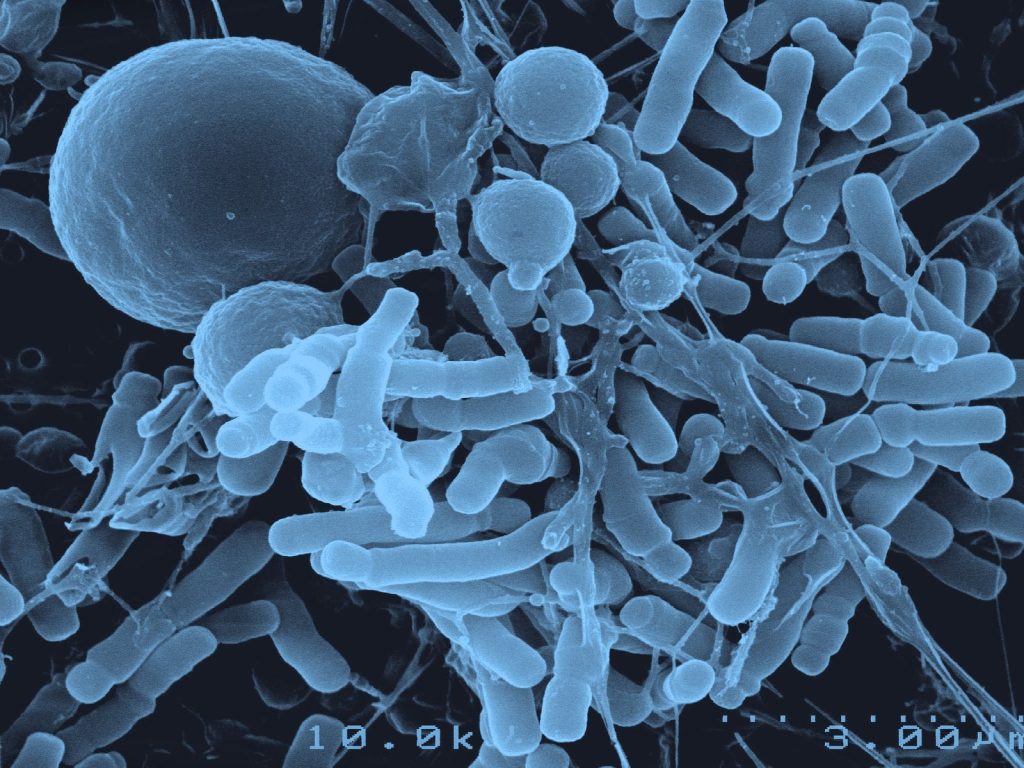
The importance of probiotics in pet nutrition cannot be overstated. To truly grasp their impact, it is essential to understand how these beneficial microorganisms function within the gut. Probiotics are live bacteria and yeasts that serve multiple roles in promoting health and wellness. They are predominantly known for enhancing digestive function, yet their influence extends far beyond the intestines.
One of the primary ways that probiotics foster gut health is by competing with harmful bacteria for resources. When probiotics are introduced through pet food or supplements, they help to create a balanced microbial environment. This balance is crucial since an overgrowth of harmful bacteria can lead to a range of health problems, including infections and inflammatory conditions.
Furthermore, the diversity of probiotic strains plays a pivotal role in the benefits observed in pets. Different strains can exert varying effects on the gut microbiome, and thus, the overall health of pets can be improved through targeted probiotic supplementation. Some of the most commonly utilized strains in pet nutrition include:
- Lactobacillus: Known for its ability to produce lactic acid, this strain helps to inhibit harmful bacteria while promoting digestive health.
- Bifidobacterium: This strain is essential for breaking down dietary fibers and may help to alleviate digestive disorders.
- Enterococcus: This strain aids in improving gastrointestinal health and supporting the immune system.
An important factor for pet owners to consider is the age of their pets when introducing probiotics. Puppies and kittens, with their developing immune systems and digestive tracts, often benefit significantly from early incorporation of these microorganisms. On the other hand, senior pets may also find relief from various health issues associated with aging through the addition of probiotics, as they can enhance the gut’s efficiency in processing nutrients.
Studies have shown that certain probiotic strains can even affect behavior in pets, reducing anxiety and stress levels. This is particularly relevant for pets that may suffer from separation anxiety or stress triggers such as loud noises or unfamiliar environments. Thus, beyond physical health, probiotics may also contribute positively to the mental and emotional well-being of pets, making them an essential component of comprehensive pet care.
While integrating probiotics into a pet’s diet may seem straightforward, it is vital for pet owners to consult with a veterinarian. Tailoring probiotic choices to a pet’s unique needs—be it for digestive support, immune enhancement, or behavioral improvement—ensures that each pet receives optimal benefits. In a market flooded with options, relying on professional guidance can prevent potential pitfalls, helping to distinguish between beneficial and ineffective products.
As research continues to evolve, the advantages of probiotics in pet nutrition remain an exciting area of exploration. Understanding the role of probiotics equips pet owners with the knowledge to contribute to their pets’ health in a meaningful way, paving the path toward healthier and happier lives.
| Probiotic Category | Key Benefits |
|---|---|
| Digestive Health | Probiotics aid in balancing gut flora, improving nutrient absorption and digestion. |
| Immune Support | They enhance the immune response, helping pets fend off various illnesses. |
Probiotics play a significant role in pet nutrition, acting as beneficial microorganisms that promote a healthy gut microbiome. Recent studies have shown that incorporating specific strains of probiotics into pet food can lead to notable improvements in overall health. For instance, Lactobacillus and Bifidobacterium species are commonly included due to their effectiveness in maintaining digestive balance.Moreover, research indicates that beyond mere digestion, probiotics can influence your pet’s immune function. Pets receiving probiotic-rich diets exhibit enhanced immune responses, which contributes to their resilience against infections and other diseases. By regularly consuming probiotics, pets can maintain a more stable gut environment that supports nutrient absorption and reduces gastrointestinal issues, such as diarrhea and bloating.Additionally, probiotics may have a positive impact on behavioral issues, further showcasing their importance in holistic pet nutrition. When looking to enhance your pet’s diet, considering a probiotic-inclusive food or supplement can be a vital step towards a healthier, happier furry companion. The world of probiotics in pet nutrition is vast and continually evolving, encouraging pet owners to stay informed and proactive in their choices.
DISCOVER MORE: Click here to learn about the rise of vegan and vegetarian pet food trends
The Impact of Probiotics on Specific Health Conditions
In addition to promoting general well-being, probiotics have demonstrated potential in the management and prevention of specific health conditions in pets. This growing understanding has opened new avenues for pet owners who seek holistic approaches to their pets’ healthcare. Research has shown that certain strains of probiotics can effectively alleviate gastrointestinal disorders such as diarrhea, constipation, and irritable bowel syndrome (IBS).
One of the most compelling studies highlighted the benefits of probiotics during and after antibiotic treatment. Pets often experience an imbalance in their gut flora following antibiotic courses, which can lead to complications like antibiotic-associated diarrhea. By restoring the intestinal balance, probiotics can aid in a smoother recovery, allowing pets to regain their digestive health more efficiently.
Moreover, studies conducted with dogs and cats have revealed that probiotics can bolster the immune response. For instance, a study published in the Journal of Veterinary Internal Medicine found that dogs supplemented with specific probiotic strains experienced fewer upper respiratory infections. This finding is particularly important during seasonal changes when pets are more susceptible to illness. A robust immune system plays a crucial role in maintaining overall health, and probiotics serve as an ally in achieving this goal.
Pet owners should also be aware of the link between gut health and skin conditions. Conditions such as allergies, dermatitis, and itching can often be traced back to an imbalance in gut flora. Probiotics have shown promise in improving skin health by supporting a balanced immune response and reducing inflammation. For pets suffering from allergies, introducing probiotic-rich foods can be an integral part of a comprehensive treatment plan.
The role of probiotics is not limited to cats and dogs. Research into the importance of gut health in other pets, such as rabbits, guinea pigs, and even reptiles, is ongoing. Many small mammals, like rabbits, can develop severe gastrointestinal issues if their gut microbiome is disrupted. Probiotics can assist in restoring balance, emphasizing the universal importance of these microorganisms across species.
Interestingly, beyond digestion and immune support, probiotics may also affect metabolism and weight management in pets. Some studies suggest that specific probiotic strains can enhance the metabolism of fats and carbohydrates, promoting healthy weight maintenance. This is particularly relevant in an era where obesity in pets has reached epidemic proportions, impacting their longevity and quality of life.
Incorporating probiotics into pet nutrition is not without its challenges. While many commercial pet foods now include these beneficial microorganisms, not all products guarantee a viable dose. Pet owners are encouraged to read labels carefully and look for products that specify the number of colony-forming units (CFUs) at the time of expiration. Additionally, understanding the specific strains that target particular health concerns can help pet owners make informed choices.
In conclusion, the role of probiotics in pet nutrition extends far beyond simple digestive aid; they hold the promise of addressing diverse health challenges. By leveraging the potential of these microbiota, pet owners can take proactive steps to enhance their furry companions’ health and well-being. The nuanced relationship between gut health, systemic health, and overall quality of life continues to unfold, urging exploration into how probiotics can be best utilized for our cherished pets.
DIVE DEEPER: Click here to discover the rising trends in pet food
Conclusion
The landscape of pet nutrition is evolving, and at the forefront of this change is the remarkable role of probiotics. These beneficial microorganisms are not merely supplementary additions to pet diets; they are essential allies in fostering robust health and addressing various health issues. From improving digestive health to enhancing immune responses, the multifaceted benefits of probiotics underscore their importance for the well-being of pets.
As we delve deeper into the intricacies of gut health, emerging evidence highlights the potential of probiotics to influence not only digestive function but also beautiful skin and even metabolic health. This broad-spectrum impact challenges pet owners to rethink traditional approaches to nutrition and consider how a balanced gut microbiome can revolutionize their pets’ overall health profiles.
However, pet owners must remain vigilant when selecting probiotic products. Understanding the importance of colony-forming units (CFUs) and the specific strains that align with their pet’s individual health needs is vital for maximizing the efficacy of these supplements. As the pet food industry continues to adapt to these discoveries, transparency in labeling will empower consumers to make informed decisions.
Ultimately, the integration of probiotics in pet nutrition not only promises a healthier life for pets but also strengthens the bond between humans and their animal companions. As we stand at the crossroads of innovation in veterinary science, exploring the potential of probiotics encourages a more comprehensive and preventative approach to pet care. This insight invites us to take proactive steps in ensuring our pets lead happy, healthy lives armed with the benefits of science-backed nutrition.
Related posts:
Homemade Food for Dogs and Cats: Benefits and Risks
The Benefits of Wet Food for Dogs and Cats
Impact of Diet on the Longevity of Pets
Natural Foods vs. Commercial Feed: What is Better for Your Pet?
Conscious Eating: How Nutrition Impacts Pet Behavior
Specific Nutrition for Breeds: How to Choose the Best Diet for Your Dog or Cat

Linda Carter is a writer and pet care expert specializing in pet health, grooming, and wellness. With extensive experience helping pet owners create safe, loving, and enriching environments for their animals, Linda shares her knowledge on our platform. Her goal is to empower readers with practical advice and strategies to ensure their pets thrive and lead joyful, healthy lives.