The Effects of Diet on the Longevity of Pets
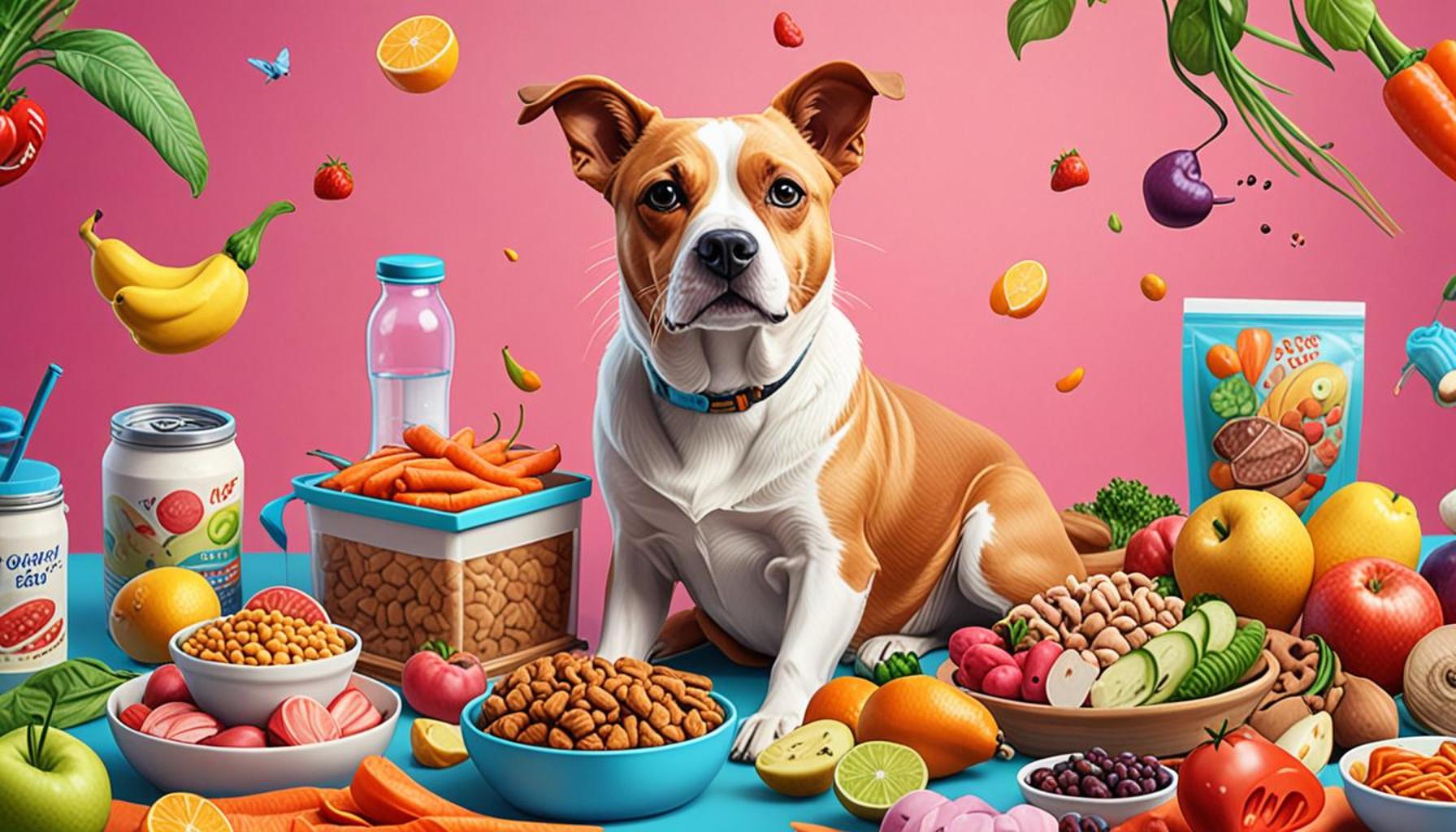
Pet owners often strive to provide the best for their furry companions, and one critical factor in maintaining their health is diet. Proper nutrition can significantly influence a pet’s overall well-being, leading to a longer and healthier life. Understanding how the right food choices affect longevity is essential for every responsible pet owner.
Key Aspects of Pet Diet and Longevity
When it comes to pet nutrition, several key aspects can have profound effects on lifespan:
- Quality of Ingredients: Whole, natural ingredients such as real meat, vegetables, and grains support better health. For example, a dog food that lists chicken or beef as the first ingredient provides essential proteins for muscle development and maintenance, compared to options with fillers like corn or soy which may offer little nutritional value.
- Balanced Nutrition: Just like humans, pets require a balanced diet consisting of proper ratios of protein, fats, and carbohydrates. For instance, a typical adult cat diet might contain around 30-40% protein, while dogs may need a combination of 18-25% protein depending on their activity level, age, and breed. Inadequate nutrition can lead to deficiencies, impacting their overall health.
- Age-Appropriate Diets: Nutritional needs vary significantly across a pet’s life stages. Puppies require high-protein diets to support growth and energy levels, while senior pets benefit from diets that are lower in calories yet rich in antioxidants to combat aging. Tailoring the diet according to age can enhance vitality and longevity.
- Weight Management: Obesity can lead to serious health issues, including diabetes, heart disease, and joint problems, which can significantly shorten a pet’s lifespan. Regular monitoring of weight and portion control, along with encouraging physical activity, are essential for maintaining a healthy weight.
Common Misconceptions
Despite the growing awareness of pet health, several myths about pet diets persist:
- Not all commercial pet foods are unhealthy; many reputable brands follow strict regulations and are formulated to meet specific nutritional standards endorsed by organizations like the Association of American Feed Control Officials (AAFCO).
- While some human foods are indeed harmful to pets—such as chocolate, grapes, and onions—many fruits and vegetables, like carrots and blueberries, can be healthy snacks or additives to pet diets.
- Raw diets can be beneficial for some pets but are not universally recommended. They can pose risks such as bacterial contamination and imbalance of nutrients if not carefully managed.
Exploring the relationship between diet and longevity unveils surprising insights for pet owners. Choices made today can shape the health and lifespan of pets for years to come. It encourages responsible owners to investigate various dietary options, allowing them to provide optimal nutrition tailored to their pets’ needs, which in turn contributes to a longer, more vibrant life.
DISCOVER MORE: Click here to learn about the best options for your pet’s diet

The Nutritional Foundations of Pet Longevity
The health and longevity of pets are intricately linked to their diet. Many pet owners understand the need for quality nutrition, but the specifics regarding how diet impacts longevity may not be as evident. Providing nutritionally balanced meals can make a substantial difference in the lifespan of our beloved companions. This section will delve deeper into how various dietary components contribute to a pet’s overall health.
The Role of Human Food in Pet Diets
One of the most compelling discussions in the realm of pet nutrition is the role of human food. While it is well-known that certain human foods can be toxic to pets, such as chocolate and onions, there are also many healthy alternatives that owners can consider. For instance, fruits like apples and blueberries, as well as vegetables such as carrots and green beans, provide essential vitamins and antioxidants. These can enhance not only the flavor of pet meals but also contribute to improved immune systems and better overall health.
Special Considerations for Specific Breeds
Understanding the nutritional needs of specific breeds is vital for pet owners. Different breeds may require distinct diets due to variations in size, metabolism, and predisposition to certain health issues. For example, smaller dog breeds may need higher protein levels to support their energetic lifestyles, while larger breeds are often more prone to joint problems and may benefit from diets enriched with omega-3 fatty acids for joint health. Tailoring a pet’s diet based on breed can significantly influence their longevity and wellness.
Hydration and Its Impact
In addition to solid food, hydration plays a critical role in a pet’s health and longevity. Many pet owners may overlook the importance of water intake. Dehydration can lead to serious health complications, including kidney disease and urinary tract problems. It’s recommended that pets have constant access to fresh, clean water to maintain adequate hydration levels. Some owners have even found success in incorporating wet food into their pets’ diets, which can improve hydration and provide additional nutrients.
The Importance of Regular Dietary Assessment
As pets age, their dietary needs may change, which is why regular dietary assessment is essential. Scheduled check-ups with veterinarians can help evaluate a pet’s weight, overall health, and dietary requirements. Many nutritionists recommend actively engaging with the pet’s food choices—observing any changes in energy levels or weight can inform necessary adjustments. Adapting the diet not only sustains health but may also extend a pet’s lifespan.
Ultimately, the effects of diet on the longevity of pets cannot be overstated. By making informed decisions about what and how we feed our animals, we can help ensure they enjoy not only longer lives but healthier, happier ones as well. Ensuring proper nutrition is not a mere chore, but a commitment to a lifetime of companionship and care. This exploration into diet and longevity underscores the significant role that mindful eating plays in the overall quality of life for our furry family members.
The Impact of Nutrition on Pet Longevity
As pet owners, we often prioritize the happiness of our furry companions, but what about their longevity? A balanced diet plays a crucial role in enhancing the lifespan of pets. Studies show that pets receiving nutrient-rich foods are likely to enjoy longer, healthier lives. For example, the incorporation of high-quality proteins, essential fatty acids, vitamins, and minerals can significantly influence a pet’s overall health.
Moreover, obesity, a prevalent issue among domesticated animals, drastically shortens the lifespan of pets. Feeding them appropriate portions and choosing low-calorie, nutrient-dense foods can combat this issue. Proper weight management not only prevents complications such as diabetes and joint problems but also ensures better mobility and energy levels, all of which contribute to a more active lifestyle.
The link between dietary antioxidants and longevity is also noteworthy. Antioxidants, found in certain fruits and vegetables, can help in combating oxidative stress in pets, which is linked to aging and various diseases. By integrating fruits like blueberries and vegetables such as spinach, pet owners can provide their animals with a natural boost to their immune systems.
| Nutrition Aspect | Significance |
|---|---|
| High-Quality Proteins | Vital for muscle maintenance and overall energy. |
| Dietary Antioxidants | Helps combat oxidative stress and boosts immunity. |
As we delve deeper into the effects of diet on the longevity of pets, exploring the benefits of specific food ingredients and how they contribute to pet well-being becomes essential. Understanding the relationship between what pets eat and their health outcomes opens a door for proactive measures that could lead to happier, longer lives for our esteemed animal companions.
DISCOVER MORE: Click here to learn about how nutrition affects your pet’s behavior
Customizing Diets for Optimal Health
Another crucial aspect of pet nutrition is customization. Just as no two people are alike, the same holds true for our pets. Each animal has unique needs based on factors such as age, health condition, and lifestyle. For instance, a pet diagnosed with obesity will require a different dietary regimen compared to one suffering from a food allergy. Similarly, senior pets may benefit from diets higher in fiber and lower in calories to support weight management and digestive health. This tailored approach not only helps in managing existing health issues but also significantly contributes to enhancing the pet’s longevity.
The Influence of Commercial Diets
The pet food market offers an overwhelming array of commercial diets, often accompanied by enticing marketing claims of promoting longevity and health. However, not all commercial pet foods are created equal. According to a report from the Association of American Feed Control Officials (AAFCO), it’s imperative for pet owners to scrutinize ingredient lists and nutrition facts. Some brands may contain excessive fillers and artificial additives, which might not contribute positively to a pet’s health. Opting for brands that utilize real meat, whole grains, and organic ingredients can be instrumental in boosting a pet’s longevity. In fact, a study published in the Journal of the American Veterinary Medical Association indicated that pets fed high-quality diets exhibit notable health improvements and longer lifespans.
The Dangers of Over-Feeding
While the type of food is vital, portion control remains equally essential for maintaining a healthy weight and avoiding obesity—one of the leading causes of chronic diseases in pets. According to the Association for Pet Obesity Prevention, approximately 60% of cats and 56% of dogs in the United States are classified as overweight or obese. Pet owners must strictly adhere to feeding guidelines provided by veterinarians and food manufacturers, keeping in mind that less active pets will require fewer calories. Using measuring cups or portion control feeders can make it easier to maintain the appropriate serving sizes and help prevent unintentional overfeeding.
The Power of Supplements
In addition to a balanced diet, incorporating dietary supplements can further enhance a pet’s quality of life and longevity. Probiotics, omega-3 fatty acids, and glucosamine are just a few examples of supplements known to improve joint health, digestion, and overall well-being. A survey from the Pet Food Institute revealed that nearly 30% of pet owners are incorporating supplements into their pets’ diets, acknowledging their potential to support long-term health. However, it is crucial to consult with a veterinarian before introducing new supplements to ensure they’re appropriate for the individual pet.
The Role of Activity in Dietary Needs
Dietary choices should be evaluated in conjunction with a pet’s activity level. Pets that engage in regular exercise require a different nutritional balance compared to their less active counterparts. For active dogs, a diet rich in protein and complex carbohydrates can boost energy levels and support muscle repair. Conversely, sedentary pets may do better on a diet formulated for weight control. Understanding the connection between a pet’s lifestyle and their dietary needs is fundamental for promoting a longer, healthier life.
In essence, the journey to optimal pet health and longevity is multifaceted, encompassing not only what pets eat but how much, how often, and in conjunction with their overall lifestyle. Pet owners have a significant opportunity to influence their animals’ health through mindful, informed dietary choices.
DISCOVER MORE: Click here to learn how nutrition affects your pet’s behavior
Conclusion: Nourishing for a Longer Life
In summary, the effects of diet on the longevity of pets cannot be overstated. By focusing on a well-rounded, individualized diet that accounts for a pet’s unique needs—whether they are pets with special health conditions, seniors requiring targeted nutrition, or active companions needing more energy—pet owners wield significant influence over their animals’ health and lifespan. The precise balance of nutrients, mindful portion control, and the careful selection of high-quality commercial diets or fresh food alternatives are essential steps in promoting a longer, healthier life for our furry friends.
Moreover, the integration of dietary supplements can provide added benefits, helping to address specific health concerns and enhance overall well-being. Pet owners should always consult with veterinarians to ensure that any dietary changes or supplements are suitable for their pets’ individual circumstances. Engaging in regular exercise and understanding its impact on nutritional needs reinforces the importance of a holistic approach to pet care.
As the body of research continues to grow, it becomes increasingly evident that thoughtful dietary choices can have profound implications for the longevity and quality of life of pets. By remaining informed and proactive about their pets’ nutrition and lifestyle, owners can cultivate a pathway to a vibrant, fulfilling life for their beloved companions. Ultimately, investing in a pet’s diet is a vital step toward a longer, healthier journey together, unlocking the potential for cherished years of companionship and joy.
Related posts:
Natural Foods vs. Commercial Feed: What is Better for Your Pet?
How to Deal with Food Allergies in Dogs and Cats
The Influence of Nutrition on the Prevention of Common Diseases in Pets
Specific Nutrition for Breeds: How to Choose the Best Diet for Your Dog or Cat
Nutritional Supplements: When and How to Use Them in Your Pet's Diet
Tips for Creating Nutritious Homemade Meals for Dogs and Cats

Linda Carter is a writer and pet care expert specializing in pet health, grooming, and wellness. With extensive experience helping pet owners create safe, loving, and enriching environments for their animals, Linda shares her knowledge on our platform. Her goal is to empower readers with practical advice and strategies to ensure their pets thrive and lead joyful, healthy lives.