The Influence of the Environment on the Effectiveness of Behavioral Training in Pets

Understanding Environmental Factors in Pet Training
The journey of training a pet is a multifaceted process influenced heavily by a variety of external elements. These environmental factors can either pave the way for positive behaviors or create significant obstacles during training sessions. Recognizing how these influences affect your pet’s learning is essential for any owner dedicated to achieving effective training outcomes.
Key Environmental Influences
- Noise Levels: One of the most notable distractions in a pet’s training is noise. For example, a puppy being trained to respond to a command in a bustling city environment filled with cars, sirens, and other loud sounds may find it challenging to concentrate and obey commands. This is in stark contrast to a different scenario where a pet practices commands in a serene, park-like setting with chirping birds and rustling leaves. Reducing auditory stimulation can significantly improve focus and responsiveness, as pets are less likely to be overwhelmed or anxious.
- Space: The physical space where training occurs plays a crucial role. A spacious area allows dogs, especially larger breeds, room to move freely during exercises like fetching or practicing recalls. Imagine trying to teach a high-energy dog to stay in an overcrowded room versus a wide-open field; the latter not only provides the dog with room to obey but also allows for more engaging activities. Ensuring the training space is safe and manageable fosters a better learning experience.
- Social Interactions: The level of social interaction a pet has during training can greatly affect its behavior. Exposure to other animals and people can lead to either stimulating experiences or overwhelming stress. For instance, a dog that is used to socializing with other dogs may thrive in a training session surrounded by playmates, absorbing new commands in a fun, energetic environment. Conversely, a pet that feels anxious in social settings might struggle in the same scenario, impacting its ability to learn.
Taking the time to understand these environmental factors helps in tailoring training methods to suit the individual needs of pets, leading to more effective results. For instance, creating a structured routine that accounts for a pet’s specific fears or distractions can significantly enhance their learning experience. A dog that typically enjoys training in the evening might not perform as well during the noisy afternoon rush hour.
Why It Matters
Adapting training sessions to account for environmental influences can result in happier and more well-behaved pets. Understanding your pet’s context enables pet owners to construct training scenarios that maximize successful learning outcomes while minimizing frustration and anxiety. As owners engage more deeply with these dynamics, they can foster stronger bonds and promote a healthier attitude towards training, ultimately leading to a more enjoyable experience for both pet and owner. The exploration of environmental factors in pet training is a critical step toward nurturing a better companion that thrives in its own unique environment.
DON’T MISS: Click here to learn more about pet health
The Role of Environmental Context in Effective Pet Training
The environment in which pets are trained can serve as a double-edged sword; it can either facilitate a successful training experience or hinder progress. Understanding this dynamic is critical for owners who desire not only to teach their pets essential commands but also to foster a trusting relationship built on effective communication. Various elements within a pet’s training environment influence behavioral outcomes, primarily through the concepts of distraction, comfort, and predictability.
The Impact of Distraction
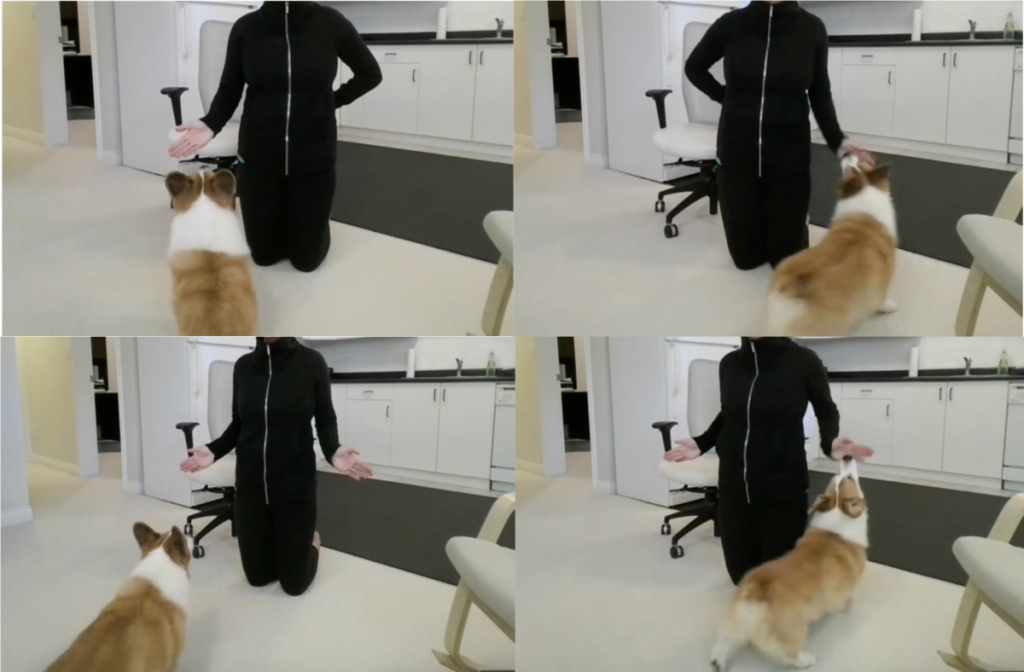
Distractions are prevalent in many environments and can significantly affect a pet’s ability to learn. For example, intense visual stimuli such as moving cars or other animals can easily divert a pet’s attention during training sessions. Studies have shown that pets trained in high-distraction environments may exhibit greater anxiety and reduced performance when responding to commands. Thus, minimizing distractions through strategic training locations is crucial.
- Familiar Environments: Training pets in areas they are familiar with can lead to enhanced focus. A backyard or a favorite park, devoid of overcrowding and commotion, can create a setting that fosters concentration.
- Transitioning to New Settings: While familiar settings are beneficial, pets should also gradually learn to adapt to new environments. This can be achieved by increasing exposure to different locations while ensuring that they remain calm and focused.
- Managing Noise Levels: Keeping training sessions away from chaotic or loud areas allows pets to absorb commands without the distraction of sudden or jarring sounds.
Creating Comfort in the Training Space
Comfort is a fundamental aspect of any training environment, especially for pets prone to anxiety. A comfortable setting allows pets to feel secure, which can significantly boost their confidence and willingness to engage. It is essential to ensure that the environment is not only physically safe but also psychologically reassuring. For instance, using positive reinforcement in a cozy home environment may yield faster results as pets feel more at ease. Factors such as temperature, surface texture, and even the presence of familiar toys—can contribute to creating a safe haven for training.
The Importance of Predictability
Predictability in training routines can lead to more effective learning. Pets thrive on consistency, which reduces anxiety and reinforces behavior through repetition. Establishing a clear and structured routine minimizes surprises, making it easier for pets to anticipate what is expected of them. This predictability becomes especially significant in behavioral training, as pets come to recognize cues and commands over time.
Ultimately, the effectiveness of behavioral training in pets is profoundly intertwined with their environmental context. By actively considering factors such as distraction, comfort, and predictability, pet owners can more successfully navigate the complex training landscape. Adapting training techniques to accommodate environmental influences not only facilitates learning but also builds a stronger bond between pet and owner, setting the stage for a rewarding companionship.
| Environmental Factors | Impact on Training |
|---|---|
| Social Interaction | Enhanced learning through positive reinforcement from peers or humans. |
| Physical Space | A well-structured environment encourages focus and reduction of distractions. |
| Noise Levels | Lower noise levels can improve concentration during training sessions. |
| Familiarity | Training in familiar settings leads to better recall of commands. |
The effectiveness of behavioral training in pets is significantly influenced by various environmental factors. Among these, social interaction plays a key role; when pets are trained in the presence of other well-trained animals or supportive humans, they tend to absorb behaviors more effectively, utilizing positive reinforcement that enhances their learning experience.The physical space where training takes place cannot be ignored. A space that is thoughtfully organized will help pets maintain their focus, which is paramount for successful training sessions. Furthermore, noise levels must be considered. A calmer environment significantly reduces distractions, fostering better concentration during training activities. Moreover, familiarity with the training setting can improve command recall. Pets are more likely to respond positively in spaces they recognize, making consistency in training locations vital for enhancing behavioral retention. All these factors intertwine to create an optimal training landscape, underscoring the profound connection between environment and training efficacy in our beloved pets.
LEARN MORE: Click here for valuable insights
Optimizing the Training Environment to Enhance Learning
An environment conducive to effective behavioral training is not solely determined by external factors such as distractions; it also encompasses the nuanced dynamics between the pet and its surroundings. Various intrinsic elements, including human interaction, spatial arrangement, and consistency in training methods, play a vital role in shaping the training experience.
The Role of Human Interaction
The Gaze, Touch, and Vocal Cues between humans and pets form a critical part of the training process. The quality of these interactions can significantly impact the pet’s learning experience. Research emphasizes that positive human engagement fosters trust and encourages an eagerness to learn. For instance, utilizing a friendly tone paired with gentle touch when giving commands can enhance a pet’s responsiveness. The presence of the pet owner as a supportive figure in the training environment increases the likelihood of successful outcomes, as pets often mirror human emotions. A relaxed and positive owner can help their pet feel calm and focused.
- Engagement Techniques: Employing engagement techniques such as eye contact, encouraging verbal affirmations, and physical touch can produce a more intimate bond, promoting effective learning.
- Variety in Interaction: Changing the way commands are delivered can prevent monotony in training. For example, utilizing varying tones or incorporating playful distractions can keep the pet entertained while reinforcing learning.
Spatial Arrangement: The Layout of the Training Area
The physical arrangement of the training space is both a subtle and profound influence on the effectiveness of training. The layout can determine the flow of the session and affect how well a pet can process commands. For example, a cluttered space might inhibit focus, leading to confusion about expectations. Proper planning in training area layout can facilitate a more effective learning environment.
- Open Spaces: Training in an open area allows pets to move freely and engage fully with the commands given. This encourages exploration and can enhance the learning experience.
- Minimized Obstacles: Reducing visual and physical obstacles can help direct a pet’s attention toward the trainer, ensuring that commands are received without confusion or distractions.
Consistency in Training Methods
Consistent use of commands and training approaches is vital in creating a predictable environment. Pets thrive on routine, and adhering to a consistent method can help solidify learning. Disparities in command phrasing or training techniques can create uncertainty and confusion for the pet, ultimately diminishing the effectiveness of the behavioral training.
Incorporating consistent signals, such as hand gestures or specific phrases, can enhance a pet’s ability to connect with commands. Moreover, establishing a routine by training at the same time each day helps reinforce learning, especially when paired with frequent positive reinforcement, such as treats or praise. This not only aids retention of commands but also establishes a rhythm in the training process.
With a deeper understanding of how human interaction, spatial arrangement, and consistent training methods affect the overall training experience, pet owners can create an environment that is tailored to their pet’s unique needs. These deliberate environmental adjustments pave the path for mastering behavioral commands and establishing a profound bond built on trust and understanding.
DISCOVER MORE: Click here to uncover how nutrition affects your pet’s behavior
Conclusion: The Significance of Environment in Pet Training
In summary, the effectiveness of behavioral training in pets is heavily influenced by a myriad of environmental factors. From the quality of human interaction to the thoughtful spatial arrangement of training areas, each element plays a pivotal role in shaping a pet’s learning experience. When owners create environments that foster trust and provide clear, consistent commands, they lay the groundwork for successful training outcomes. This development not only facilitates effective learning but also strengthens the bond between pet and owner, enriching their relationship.
Moreover, as pet owners become increasingly aware of their pets’ unique needs, they can adapt their training methods accordingly. Incorporating elements such as positive reinforcement, a structured routine, and minimizing distractions will lead to a more engaging and productive training session. As research indicates, a pet’s familiarity and comfort with its surroundings significantly impacts its ability to learn and respond to commands. Thus, investing time and effort in optimizing the training environment is a crucial step toward unlocking a pet’s full potential.
The exploration of this subject encourages us to delve deeper into the intricate relationship between the environment and pet training. As we continue to uncover the various factors that contribute to successful behavioral training, pet owners and trainers alike can enhance their practices and, ultimately, the well-being of their furry companions. Understanding and refining these environmental aspects pushes the boundaries of traditional training, opening doors to innovative approaches that resonate with both pets and their humans.
Related posts:
The Role of Nonverbal Communication in Pet Behavior Training
The Importance of Behavioral Training in Preventing Behavior Problems in Pets
Behavior Training Strategies for Aging Pets
How Behavioral Training Techniques Can Help in Puppy Socialization
How Stress and Anxiety Affect Pets' Behavior During Training
How Pet Behavior Impacts Owners' Mental Health

Linda Carter is a writer and pet care expert specializing in pet health, grooming, and wellness. With extensive experience helping pet owners create safe, loving, and enriching environments for their animals, Linda shares her knowledge on our platform. Her goal is to empower readers with practical advice and strategies to ensure their pets thrive and lead joyful, healthy lives.