Natural Feeding for Pets: Benefits and Challenges in Pet Diets
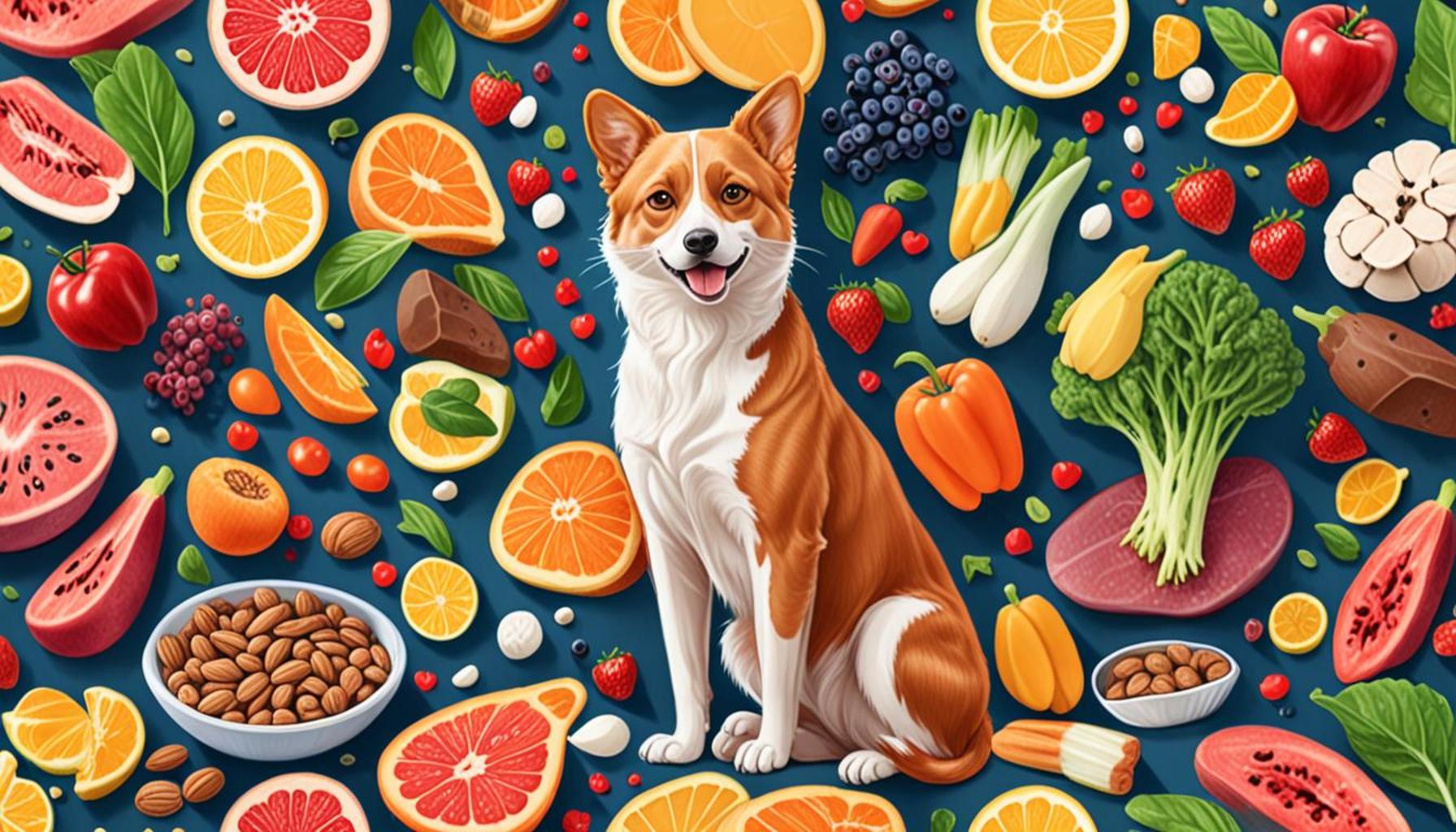
Understanding Natural Feeding for Pets
In recent years, the trend of natural feeding for pets has gained significant traction among passionate pet owners. This approach emphasizes organic ingredients, fresh produce, and reduced processing, aiming to replicate a pet’s ancestral diet. However, transitioning to a natural diet poses both appealing benefits and notable challenges.
Benefits of Natural Feeding
- Improved Health: Many owners report healthier coats, increased energy levels, and overall vitality in their pets. For instance, pets on natural diets often exhibit glossier fur and reduced shedding, indicating better skin health. Furthermore, the incorporation of omega-rich fish or flaxseed in the diet has been linked to enhanced cognitive function and mobility in older pets.
- Digestive Benefits: Natural diets can lead to better digestion and fewer gastrointestinal issues. Pets fed a diet rich in whole foods tend to have firmer stools and experience less gas or bloating. Ingredients like pumpkin and sweet potatoes are not only delicious but also act as natural fibers that promote gut health, helping reduce incidences of diarrhea or constipation.
- Allergen Reduction: Homemade or carefully sourced foods can help manage allergies or sensitivities. Many pet owners have found that by controlling their pet’s diet, they can eliminate common allergens such as corn or wheat, leading to a reduction in symptoms like itchy skin or digestive upset. With a natural feeding approach, you have the opportunity to tailor meals specifically to your pet’s individual needs.
Challenges of Natural Feeding
- Time Commitment: Preparing natural meals requires planning and effort from pet owners. This includes purchasing fresh ingredients, meal prep, and sometimes cooking for your pet daily. Creating a varied menu that provides all necessary nutrients can also be time-consuming, demanding a level of dedication that may not fit into every lifestyle.
- Cost: High-quality ingredients can lead to increased food expenses. While many commercial pet foods offer convenience and lower price points, natural feeding often involves selecting organic fruits, vegetables, and proteins, which can quickly add up. For example, grass-fed meats and organic produce typically cost more than their conventional counterparts.
- Nutrition Balance: Ensuring that pets receive all necessary nutrients can be complex for those untrained in veterinary nutrition. Many commercial pet foods are formulated to provide a balanced diet, but when preparing food at home, pet owners must be vigilant in including all essential vitamins and minerals. Consulting a veterinarian or a pet nutritionist might be necessary to avoid potential deficiencies or imbalances.
As owners delve into the world of natural feeding, understanding both the advantages and obstacles is crucial. The choice to adopt a natural diet can enhance your pet’s life, but it’s essential to research and consider various factors before making the switch. Exploring reputable resources, engaging with communities of pet owners, and perhaps even attending nutrition workshops can provide invaluable guidance on this rewarding journey. By taking the time to educate oneself about both the possibilities and challenges of natural pet feeding, you can ensure that your furry friends lead healthier, happier lives.
DIVE DEEPER: Click here to discover the perfect diet for your pet</p
Exploring the Advantages of a Natural Diet
The growing interest in natural feeding for pets is not just a fleeting trend; it represents a shift in how pet owners regard their companions’ health and nutrition. Many advocates of natural diets believe that pets thrive when consuming whole, unprocessed foods that closely mimic their wild ancestors. This philosophy aligns with a more holistic view of animal wellness, emphasizing a strong connection between diet, health, and quality of life. Let’s delve deeper into the compelling advantages of this approach.
Health Improvements and Longevity
One of the most significant benefits noted by pet owners transitioning to a natural diet is the notable improvement in their pets’ health. From enhanced coat quality to increased energy levels, the results are often striking. Research indicates a connection between diet and a pet’s immune function and longevity. For instance, dogs and cats on natural diets frequently demonstrate fewer signs of chronic conditions such as obesity, diabetes, and even heart disease. Additionally, the use of whole foods helps deliver antioxidants and essential fatty acids, contributing to a more robust immune system.
Promotion of Healthy Digestion
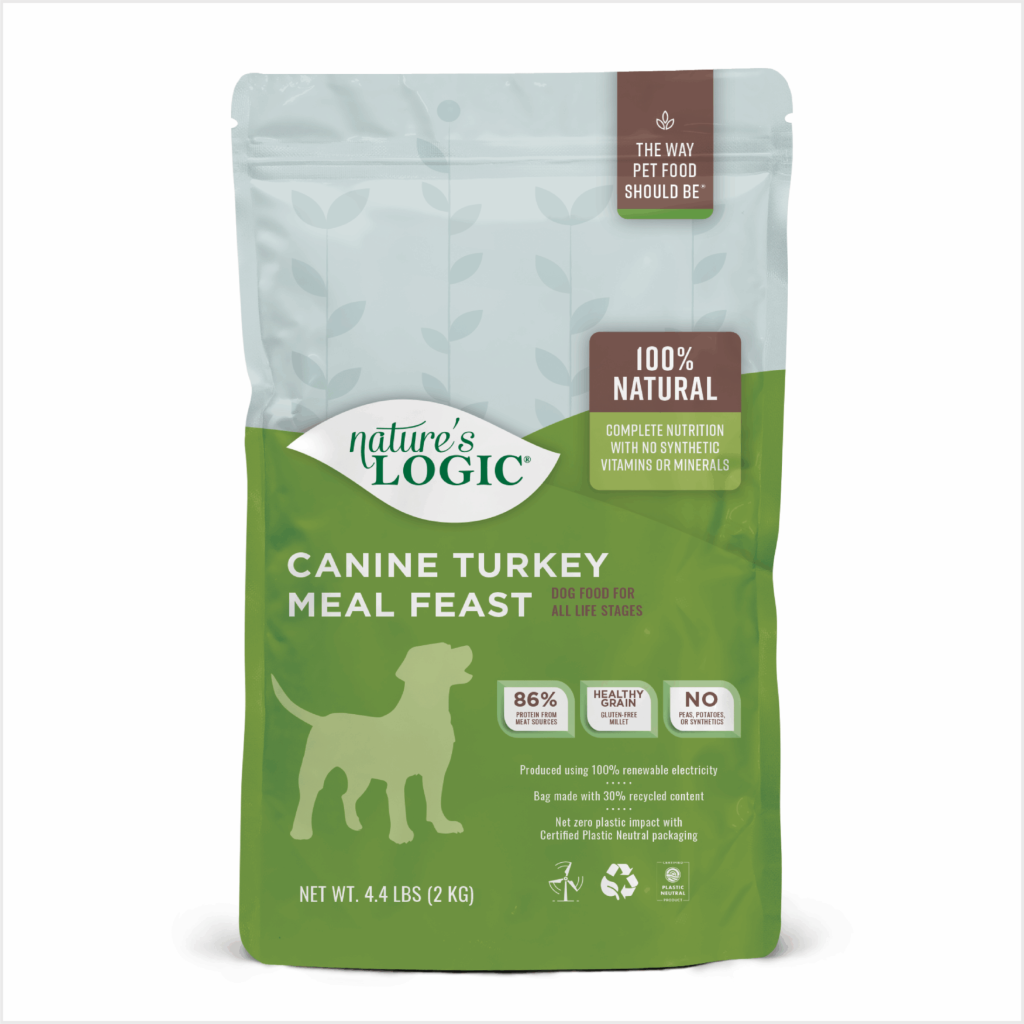
Many pet owners have also observed significant improvements in their pets’ digestion when shifting to a natural diet. Natural foods, which are often more nutrient-dense and less processed than conventional pet food, can lead to healthier gastrointestinal systems. A typical response is a notable reduction in gastrointestinal complaints, such as diarrhea or vomiting. Ingredients like pumpkin, sweet potatoes, and various fibrous vegetables serve as not only palate pleasers but also digestive aids, improving gut motility and enhancing overall digestive health.
Tailored Nutrition
The ability to customize diets is another major appeal of natural feeding. Many commercial pet foods contain a plethora of ingredients that can be challenging to decipher and might not suit every pet’s unique needs. Transitioning to a natural diet gives owners the control to select specific ingredients eliminating allergens or ingredients that their pets cannot tolerate. For example, a dog with grain allergies can follow a grain-free diet, incorporating protein sources like turkey or lamb alongside vegetables like peas and carrots.
Each pet is an individual with unique preferences and dietary needs, and natural feeding allows for this personal touch. Owners can experiment with different recipes, find out what their pets enjoy, and monitor their health closely. This personalized approach fosters a deeper bond between pet and owner, as the act of preparing nutritious meals becomes a cherished aspect of pet care.
Encouragement for Healthy Habits
Moreover, the experience of natural feeding often encourages pet owners to adopt healthier dietary habits themselves. Many who embark on this journey find themselves more aware of nutritional choices, opting for fresh, organic foods for their entire household. This shift not only benefits pets but also promotes a synergistic lifestyle that can lead to improved well-being for owners as well.
However, as appealing as these benefits may be, the decision to proceed with natural pet feeding comes with its own set of challenges, which we will explore in the next section.
| Advantage | Explanation |
|---|---|
| Improved Digestion | Natural diets often consist of high-quality ingredients, which enhance nutrient absorption and minimize digestive issues. |
| Healthier Skin and Coat | Components like omega fatty acids found in natural diets lead to better skin health, reducing allergies and promoting a shiny coat. |
| Weight Management | Natural feeding allows pet owners to control calorie intake through fresh ingredients, helping pets maintain a healthy weight. |
| Enhanced Energy Levels | Whole foods provide pets with proper nutrition, resulting in increased energy and vitality that may contribute to longer, healthier lives. |
The shift towards natural feeding for pets addresses not only dietary needs but also emotional connections. Pets that thrive on wholesome, balanced diets often exhibit better behavior and engagement with their owners. However, this approach poses challenges such as the need for precise meal planning to ensure that all essential nutrients are delivered adequately. Additionally, sourcing quality ingredients can be daunting, requiring pet owners to conduct extensive research and possibly higher financial investments.Despite these hurdles, the growing trend towards natural diets demonstrates a significant commitment to the well-being of our pets, urging pet owners to prioritize nutrition as a means to enhance the quality of life for their furry friends. Continual learning on this subject helps both seasoned owners and new pet parents to navigate the evolving landscape of pet nutrition with ease. Interested readers should further explore the intricacies of this subject to understand its profound implications on pet health and happiness.
DISCOVER MORE: Click here for insights on pet nutrition
Navigating the Challenges of Natural Feeding
While the benefits of natural feeding for pets can be enticing, it’s crucial for pet owners to acknowledge and prepare for the myriad challenges this approach may entail. From sourcing ingredients to ensuring proper nutritional balance, the journey toward a natural diet is not without its complexities. Understanding these challenges can empower pet owners to make informed decisions that support their pets’ health without compromising on quality.
Time and Effort for Meal Preparation
One of the most significant challenges of implementing a natural diet is the time and effort involved in meal preparation. Unlike commercial pet food, which can be convenient and ready-to-serve, natural feeding often requires pet owners to spend time researching, purchasing, and preparing fresh ingredients. This entails planning meals, measuring portions, and potentially cooking food, especially for those who prefer homemade diets. For busy households or families with tight schedules, this added responsibility can feel overwhelming.
Nutritional Balance Concerns
Another critical consideration is the potential risk of nutritional imbalances. Creating a well-rounded diet that meets all of a pet’s dietary needs can be tricky, particularly for owners unfamiliar with pet nutrition. Pets require a precise balance of proteins, fats, carbohydrates, vitamins, and minerals, and deficiencies or excesses can lead to health complications. For instance, a homemade diet lacking sufficient calcium can result in skeletal issues. Therefore, consulting with a veterinarian or a pet nutritionist is often necessary to ensure that homemade meals are complete and balanced.
Availability and Cost of Ingredients
The sourcing of high-quality, fresh ingredients can also pose a challenge. Not all pet owners have easy access to organic or specialty food items that are suitable for natural feeding. Depending on one’s location in the United States, options may vary widely; rural areas might offer fewer high-quality choices compared to urban centers. Additionally, the potential for a higher cost associated with purchasing organic or specialty meats and produce can be a financial barrier for some families. Budgeting for a natural pet diet is crucial as it can indicate a significant increase in pet food expenses.
Understanding Your Pet’s Needs
Transitioning to a natural diet also requires a thorough understanding of individual pet needs. Different breeds, ages, and health conditions may dictate specific dietary requirements. For example, senior dogs may require diets lower in calories but richer in fiber, while active breeds may benefit from additional protein to support their energy levels. This individualized approach can be challenging for pet owners who may not have prior experience with customizing pet meals. Monitoring a pet’s response to dietary changes is essential; any signs of discomfort or digestive issues should prompt immediate reassessment of the diet.
Beware of Misinformation
The rise of natural feeding has also led to a proliferation of misinformation in available resources, especially online. Pet owners must navigate a complex landscape of opinions and advice, some of which may not be scientifically backed. Joining reputable communities, consulting veterinary nutritionists, and relying on credible publications can help ensure that information is both accurate and helpful. Guarding against misguided methods is essential to prevent any adverse effects on a pet’s health.
In conclusion, while the allure of natural feeding is evident, it is vital that pet owners approach this transition with caution and thorough knowledge. A deep understanding of the challenges involved can aid in crafting a successful and healthful diet that effectively meets their pets’ unique nutritional needs.
DISCOVER MORE: Click here to learn about the best diet for your pet
Conclusion: Embracing the Journey of Natural Feeding
In summarizing the landscape of natural feeding for pets, it becomes evident that while the potential benefits can substantially enhance a pet’s quality of life, navigating the accompanying challenges requires vigilance and commitment. Understanding the intricate balance of pet nutrition, the time-consuming nature of meal preparation, and the financial implications of sourcing high-quality ingredients are essential steps for success in this dietary shift.
The allure of fresh, whole foods is undeniable, with many pet owners reporting positive changes in their pets’ energy levels, coat conditions, and overall health. Yet, the importance of proper nutritional balance cannot be overstated; consulting with veterinary professionals remains paramount in crafting tailored meal plans that meet the specific needs of individual pets.
Moreover, as misinformation proliferates in the age of the internet, being equipped with accurate information through reputable sources becomes a crucial part of the journey toward natural feeding. By engaging with established communities and expert advice, pet owners can sidestep potential pitfalls while exploring the best practices for a natural diet.
Ultimately, the decision to embrace a natural feeding regimen should be supported by careful research, personal commitment, and proactive communication with health professionals. Each pet’s dietary journey is unique, and with the right strategies and knowledge, pet owners can pave the way for a healthier and happier life for their furry companions. Interested readers are encouraged to further investigate reputable resources and tailor their pets’ nutrition plans to unlock the full potential of natural feeding.
Related posts:
The Importance of Socialization for the Well-Being of Pets
The Importance of Regular Physical Activity for Pet Health
The Importance of Physical Exercise in Preventing Obesity in Pets
The Importance of Parasite Prevention in Pets: Essential Methods and Care
How to Identify and Treat Common Allergies in Dogs and Cats
The Impact of Cognitive Stimulation on Pet Behavior

Linda Carter is a writer and pet care expert specializing in pet health, grooming, and wellness. With extensive experience helping pet owners create safe, loving, and enriching environments for their animals, Linda shares her knowledge on our platform. Her goal is to empower readers with practical advice and strategies to ensure their pets thrive and lead joyful, healthy lives.