The Impact of Animal Rescue on the Community: Success Stories

Transforming Lives Through Animal Rescue
Animal rescue organizations play a significant role in enhancing community well-being. Their influence is profound, extending far beyond simply saving the lives of abandoned animals. By fostering a culture of empathy, reducing stray populations, and fortifying community bonds, these organizations contribute to a richer and more compassionate society.
One of the most critical aspects of animal rescue initiatives is their enhanced awareness efforts. Rescue groups tirelessly educate the public about the responsibilities that come with pet ownership, emphasizing the importance of spaying and neutering pets, proper training, and vaccination. As a result, communities that engage with these organizations witness a marked decrease in the number of abandoned animals. For instance, programs that inform pet owners about the consequences of neglect and the benefits of adoption can significantly alter attitudes around pet care.
Community engagement is another vital element of animal rescue. Many organizations offer volunteer opportunities that not only benefit the animals but also empower residents to form connections with one another. When individuals come together to foster pets, assist in shelter events, or participate in fundraising activities, they develop a network of support within their neighborhoods. One notable example is the “Clear the Shelters” campaign, which has garnered a massive community response across numerous states, promoting animal adoptions during the event and fostering local camaraderie.
Moreover, the economic benefits of animal rescue are tangible. Local businesses often experience an uptick in sales during animal-related events such as adoption fairs or fundraising galas. These events can attract tourism, bringing new visitors into the area while promoting community growth. For instance, cities hosting pet-friendly festivals not only celebrate animal rescue efforts but also boost the local economy as participants shop, dine, and explore the town.
Success stories from various animal rescues illustrate the profound effects they have. Shelters in metropolitan areas—such as Los Angeles and New York—have reported dramatic decreases in euthanasia rates due to increased adoption rates and proactive community outreach programs. For example, the “Adopt Don’t Shop” movement has gained traction on social media, encouraging individuals to consider adopting rather than buying pets from breeders. Families often share their heartwarming adoption stories, complete with photos and updates, which inspires others to follow suit, creating a ripple effect that positively alters public perceptions about animal welfare.
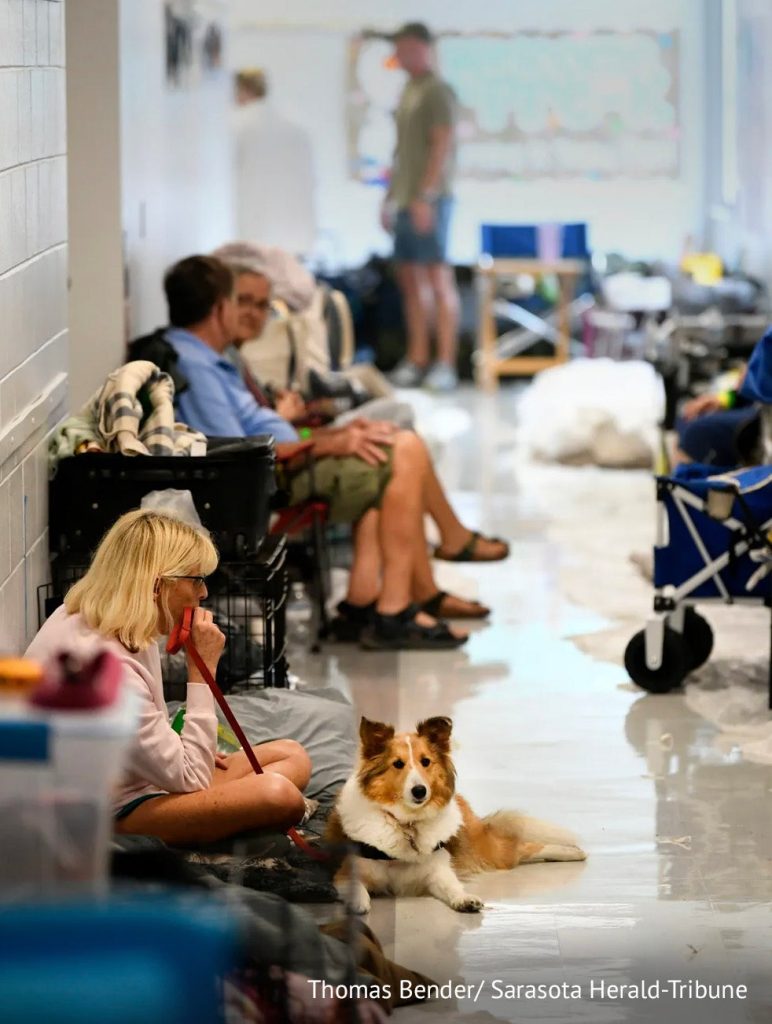
As we delve deeper into these success stories, we uncover how the power of compassion towards animals can lead to significant positive changes within communities across the United States. Animal rescue is not just an act of kindness; it is a catalyst for fostering a more compassionate society where both animals and humans thrive in harmony.
DISCOVER MORE: Click here to learn how nutrition affects your pet’s behavior
Building a Compassionate Community
The intertwining of animal rescue and community welfare reveals a tapestry of success stories that illuminate the positive impact of these organizations. One striking facet is the role of animal therapy programs, which utilize rescued animals to aid in the healing process for various groups such as veterans, children with disabilities, and those recovering from addiction. These programs not only improve the lives of individuals but also reinforce social cohesion, creating alliances among participants who would not otherwise connect. In many cases, therapy animals have become a pivotal resource for mental health support, assisting in trauma recovery and enhancing emotional well-being.
Additionally, those engaged in animal rescue often report a transformation in their own lives. Volunteers and caretakers frequently experience a sense of purpose, fulfillment, and belonging. Such experiences are supported by studies indicating that pet interaction can lower levels of stress and anxiety, ultimately contributing to a healthier community. Consider the inspiring account of a community in Oregon where volunteers rally around a local shelter, resulting in a 75% increase in adoptions over two years. This collective commitment not only saves animal lives but also cultivates a vibrant community spirit and camaraderie.
Education as a Foundation
Education serves as the backbone of effective animal rescue initiatives. Community workshops aim to instill critical knowledge about responsible pet ownership, the importance of rescue, and the impact of neglect. Here are some outcomes of educational programs focused on pet welfare:
- Increased Adoption Rates: Regions that adopt educational outreach witness significant spikes in pet adoptions.
- Better Pet Care: Workshops improve understanding of nutrition, health, and behavioral needs, leading to better outcomes for pets.
- Reduced Stray Populations: Spaying and neutering campaigns effectively reduce unwanted litters and strays over time.
Additionally, animal rescue groups engage with local schools, providing opportunities for children to learn about compassion for animals. Through programs that encourage students to volunteer or participate in shelter events, children foster a sense of responsibility and empathy early in life. For instance, cities like San Francisco have launched initiatives where students can participate in ‘Pawsitive Impact’ programs, allowing them to assist in the care of shelter animals, ultimately shaping the next generation of compassionate citizens.
As the momentum of animal rescue builds within communities, the connection between humans and animals strengthens, leading to enhanced societal emotional intelligence. The success stories emerging from these efforts highlight that when communities come together to rescue animals, they not only change the lives of those animals but also enrich the very fabric of society itself. This growing bond exemplifies the notion that true compassion fosters healing and growth, encouraging both animals and humans to thrive together.
The Impact of Animal Rescue on the Community: Success Stories
Animal rescue organizations have emerged as vital components of community well-being, enterprise, and education. These organizations provide essential services that enhance the quality of life for both animals and residents. With success stories that inspire and motivate, they exemplify the profound impact of humane treatment towards our animal companions.One notable advantage is the reduction of stray animal populations. Through effective spaying and neutering programs, communities have seen a significant decrease in homelessness among pets. Such initiatives not only improve animal welfare but also promote responsible pet ownership, leading to a more harmonious coexistence between humans and animals.Another success story is the community engagement fostered by rescue organizations. These initiatives often involve local volunteers and educational programs, encouraging participation and raising awareness about animal rights and welfare. This cultural shift cultivates empathy and responsibility within the community, shaping future generations to align with humane values. Furthermore, partnerships with local schools and businesses often lead to increased resources and opportunities for both animals and community members.The following table further illustrates the advantages of animal rescue within communities, showcasing key categories and their corresponding benefits.
| Category | Benefits |
|---|---|
| Stray Animal Reduction | Decrease in stray populations through spay/neuter programs. |
| Community Engagement | Increased volunteerism and educational opportunities that foster empathy. |
Through these initiatives, animal rescues not only support the wellbeing of animals but also enrich human lives, creating stronger, more compassionate communities. The road to understanding and improving animal welfare is a shared journey that begins within the heart of every community.
DIVE DEEPER: Click here to learn how behavioral training can strengthen your bond with your pet</
Culminating Collaborations: Local Businesses and Animal Rescue
The symbiotic relationship between animal rescue organizations and local businesses significantly amplifies their community impact. In various cities across the United States, partnerships have blossomed between animal shelters and enterprises, creating innovative programs that collectively benefit animals and enhance customer engagement. For instance, through initiatives such as “Bark in the Park,” local breweries and eateries invite patrons to enjoy their establishments alongside adoptable animals. These events not only drive foot traffic but also result in successful adoption rates, demonstrating how collaboration can yield dual rewards for local businesses and the rescue community.
Furthermore, businesses often sponsor shelter events, contribute financial support, or donate supplies, which allows shelters to allocate their resources toward rescue efforts. A notable example is the collaboration between a Texas-based pet store and a nearby animal shelter, where the store provides free adoption events and offers discounts on pet supplies to new adopters. As a result, the shelter has witnessed a remarkable increase in adoptions, while the pet store has seen increased customer loyalty and sales—a clear winning scenario for both parties.
Fostering Inclusivity and Diversity
Animal rescue initiatives also play a crucial role in fostering inclusivity and diversity within communities. Rescued animals are known to bridge gaps, bringing individuals of varying backgrounds together under the common goal of providing these animals with a loving home. Community-wide events, such as “Adopt-a-Pet Days” or fundraising galas, showcase the diversity of the populations engaged in rescue efforts, encouraging people from all walks of life to participate. Such initiatives not only highlight the importance of animal welfare but also become platforms for community celebration and interaction.
Moreover, specific groups such as minority-led animal rescue organizations have emerged, aiming to address the unique challenges faced by marginalized communities in the animal welfare landscape. These organizations focus on enhancing accessibility to resources, fostering localized adoptions, and promoting animal welfare education tailored to the community’s needs. The emergence of these organizations serves as a testament to the evolving nature of animal rescue as a communal endeavor, ensuring that no segment of society is left behind.
Enhancing Public Safety and Quality of Life
The impact of animal rescue extends beyond animal welfare and community spirit; it also relates directly to public safety and overall quality of life. By alleviating the issue of stray animals through effective rescue and adoption practices, communities experience a reduction in potential hazards associated with free-roaming pets, such as traffic accidents or the spread of diseases. For example, a successful spay and neuter initiative in a Florida city resulted in a dramatic reduction of stray cat populations, subsequently leading to fewer public complaints and a more harmonious living environment.
Additionally, animal rescue efforts contribute to economic growth. Shelters often rely on local businesses for partnerships, contributing to job creation in sectors related to animal care, veterinary services, and pet supply retail. Studies indicate that the presence of animal rescue organizations can lead to increased property values and attractiveness of neighborhoods, as they foster an environment rich in community connection and stewardship.
These multifaceted benefits confirm that the impact of animal rescue transcends saving individual animals; it cultivates a healthier, safer, and more inclusive community for both humans and animals alike. Through collective efforts involving businesses, educational institutions, and grass-root organizations, transformative change emerges, highlighting the profound interconnectedness of animal welfare and community prosperity.
DISCOVER MORE: Click here to learn about the rise of veganism in pet food
Conclusion: The Transformative Power of Animal Rescue in Communities
In examining the impact of animal rescue on the community, it is evident that these initiatives do more than just save animals; they foster unity, safety, and economic vitality within the community. Success stories from across the United States illustrate the power of collaboration among various stakeholders, including local businesses, shelters, and community organizations. When these entities come together, they create multifaceted solutions that address not only the challenges of animal welfare but also enhance the overall quality of life for residents.
Through events that promote adoption, community engagement, and inclusivity, animal rescues empower individuals from diverse backgrounds to connect and work towards common goals. This communal effort is vital in breaking down social barriers, as seen in programs tailored for marginalized groups that ensure everyone has access to animal welfare resources. Moreover, the ripple effect of these rescue operations is felt in various facets of community life, contributing to public safety by managing stray populations and fostering a more livable environment.
Ultimately, the narrative surrounding animal rescue transcends the mere act of rehoming animals; it encompasses a vision of community resilience, collective responsibility, and an enriched societal fabric. As more individuals and businesses recognize the significant benefits of supporting animal rescue, we are likely to witness further positive transformations. This ongoing endeavor challenges us all to consider our role in fostering better living conditions for both animals and humans alike, reinforcing that the bonds formed through the act of rescue can create lasting legacies of compassion and collaboration within our communities.
Related posts:
How to Choose the Ideal Rescued Animal for Your Family
The emotional impact of adopting rescued pets: testimonies from families and rescuers
The Role of Social Media in Promoting the Adoption of Rescued Animals
The Challenges and Triumphs of Integrating Rescued Animals into New Homes
How to Choose the Ideal Rescued Pet for Your Family: Practical Tips and Considerations
The role of rescue organizations in promoting responsible animal adoption

Linda Carter is a writer and pet care expert specializing in pet health, grooming, and wellness. With extensive experience helping pet owners create safe, loving, and enriching environments for their animals, Linda shares her knowledge on our platform. Her goal is to empower readers with practical advice and strategies to ensure their pets thrive and lead joyful, healthy lives.