How Interaction with Pets Can Increase Self-esteem and Confidence in Children
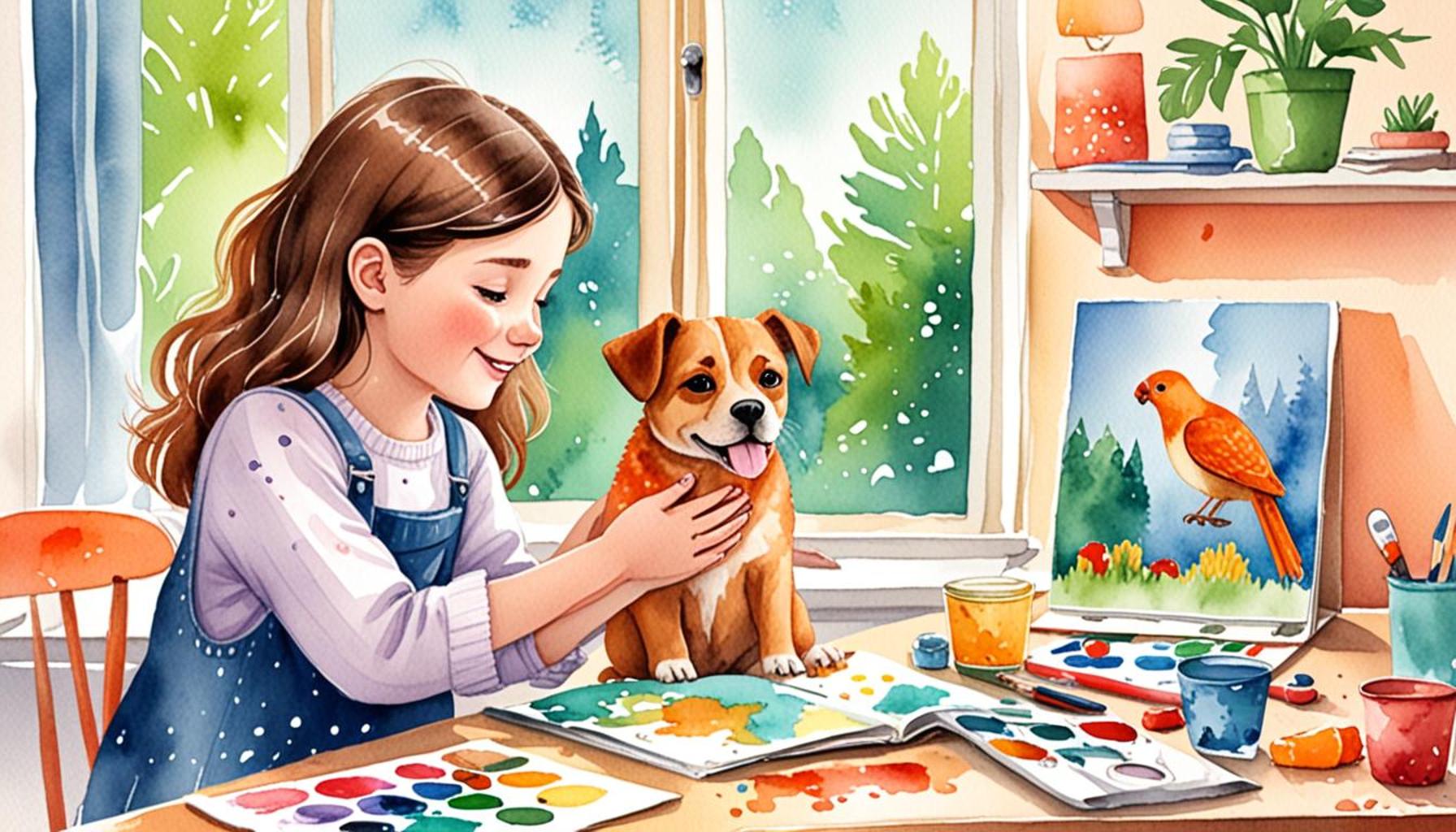
Boosting Confidence Through Companionship
The bond that develops between children and their pets often goes beyond mere companionship; it serves as a profound mechanism for enhancing self-esteem and confidence. Through the simple yet transformative act of caring for another living being, children discover valuable life lessons that can leave an indelible mark on their emotional and social well-being. Pets offer unconditional love, which empowers children to embrace who they are without the fear of judgment.
Ways Pets Influence Self-esteem
- Unconditional Love: The relationship between a child and a pet is often built on non-judgmental acceptance. A child can share their thoughts, feelings, and fears with a furry friend who responds with warmth, comfort, and affection. This bond fosters a sense of belonging, reinforcing the idea that they are worthy of love, irrespective of their perceived flaws. For instance, children dealing with bullying at school may find solace and reassurance from a loyal dog or cat, helping them regain a sense of security.
- Responsibility: Engaging with a pet requires commitment and routine, teaching children essential life skills. Tasks such as feeding, grooming, and exercising their pets promote a sense of responsibility. This regular involvement boosts a child’s confidence as they experience the tangible outcomes of their efforts, such as a happy, healthy animal. For example, a child who walks their dog daily not only nurtures their pet’s health but also develops a sense of achievement knowing they contribute positively to another’s well-being.
- Social Interaction: Pets can act as icebreakers that facilitate social connections. Children with pets often form friendships with other pet owners, engaging in conversations sparked by shared interests, be it through dog parks, pet grooming sessions, or community pet events. Such interactions not only build a social network but also enhance social skills, leading to improved self-esteem.
Supporting Confidence Development
Implementing regular interactions with pets plays a vital role in boosting children’s confidence and emotional intelligence. The lessons learned through these relationships can contribute significantly to personal growth.
- Empathy: Caring for a pet introduces children to the concept of empathy. When children learn to recognize and respond to a pet’s needs—whether it’s understanding their hunger cues or recognizing when they feel unwell—they begin to extend that empathy to their peers and family members. As a result, they develop the ability to forge deeper connections with others.
- Communication: Children often engage in conversations with their pets, sharing stories and expressing their feelings. This practice not only enhances their verbal skills but also promotes emotional expression—qualities that are essential for building meaningful relationships. As their communication skills grow, so does their confidence in sharing their thoughts in larger social contexts.
- Resilience: The journey of pet ownership is typically filled with ups and downs, from joyful moments to challenges like illness or loss. Navigating these experiences helps children build resilience, teaching them how to cope with adversity. The emotional strength developed can significantly bolster their self-esteem.
By exploring the multifaceted connection between pets and personal growth, we uncover a potent mechanism for nurturing children’s self-esteem and confidence. As they engage in the realms of love, responsibility, and socialization, the lessons learned transcend mere childhood experiences and lay a fundamental groundwork for their emotional and social journeys. This intricate bond invites parents and caregivers to consider the invaluable role pets can play in a child’s development.
DISCOVER MORE: Click here to learn about the role of behavioral training
The Transformational Impact of Pets on Children’s Self-esteem
Interactions with pets can be a pivotal factor in fostering a sense of self-esteem and confidence in children. The presence of a pet introduces a unique framework through which children can explore their emotions, build resilience, and develop essential social skills. In particular, pets engage with children on a level that nurtures their emotional growth, offering experiences that are both rewarding and enlightening.

Caring for a Living Being
The act of caring for a pet provides children with a strong foundation for enhancing their self-image. Responsibilities such as feeding and grooming teach them that their actions have a direct impact on the well-being of another living being. This teaches children the importance of consistency and dedication while cultivating a sense of pride in their contributions. For instance, a child who learns to take care of an older pet may develop a deeper understanding of aging and compassion, which can translate into enhanced patience and empathy in human relationships.
Moreover, studies indicate that children who take on the responsibility of caring for a pet tend to exhibit higher levels of self-regulation and commitment. As they see their efforts reflected in the happiness and health of their pet, their self-esteem receives a natural boost, accompanied by the realization that they hold the power to effect positive change. This principle not only instills a sense of achievement but also helps children develop a positive self-image over time.
Sparking Social Connections
Pets also play a crucial role in facilitating social interactions among children, which are essential for building their social skills. Whether it’s a casual conversation with other pet owners at the dog park or a shared interest in animal care with classmates, these interactions create opportunities for deeper connections. Significant research has shown that children who own pets are more likely to engage in social activities, as these pets serve as a common ground for forming friendships. For instance, many communities host pet-oriented events that encourage socialization, bridging gaps between children from diverse backgrounds.
- Shared Experiences: Activities like walking a dog or participating in pet training classes not only promote teamwork but also allow children to bond over shared experiences, enhancing their social circles.
- Confidence in Group Settings: Regular interactions with pets provide children with scenarios where they can showcase leadership and responsibility, fostering confidence when interacting in larger group contexts.
- Overcoming Shyness: For shy or introverted children, pets can act as a catalyst that makes social settings feel less intimidating, reducing anxiety and promoting engagement with peers.
As these examples illustrate, the multifaceted relationship between children and their pets unveils countless pathways to building self-esteem and confidence. The vital life skills gained through caring for a pet not only contribute to personal development but also equip children to navigate the complexities of their world with greater assurance. Engaging in these interactions actively shapes the foundation of their emotional and social journeys, inviting parents to recognize the profound influence pets can have on their children’s lives.
| Advantage | Explanation |
|---|---|
| Emotional Support | Pets provide unconditional love, helping children feel valued and boosting their self-esteem. |
| Social Skills Development | Interacting with pets can improve children’s communication and empathy, fostering their confidence in social settings. |
| Sense of Responsibility | Caring for a pet teaches children accountability, which can lead to greater self-confidence as they fulfill their responsibilities. |
| Stress Relief | Pets can help alleviate anxiety and stress, contributing to an overall sense of well-being and confidence in children. |
Through these interactions, children not only learn valuable life skills but also find a reliable source of comfort and joy in their pets. Understanding the multifaceted benefits of pet companionship can lead to better developmental outcomes in children, encouraging families to consider adding a furry friend to their household. From the emotional bond formed to the lessons learned in responsibility, the impact of these interactions is profound and far-reaching. Let us delve deeper into how these experiences shape a child’s self-image and interpersonal relationships.
DISCOVER MORE: Click here for nutritious meal tips
The Role of Pets in Building Resilience and Problem-Solving Skills
Interacting with pets not only promotes self-esteem but also enhances children’s resilience and problem-solving skills. Everyday interactions involving pets can present challenges that allow children to learn valuable lessons about overcoming obstacles. For example, training a puppy to obey commands requires patience and persistence, encouraging children to adopt a proactive approach in problem-solving. As they face these challenges, kids gain an understanding that setbacks are a normal part of growth, and learning to adapt is key to success.
Learning through Play and Exploration
Pets offer boundless opportunities for play, which is essential for cognitive and emotional development. Through active play, such as throwing a ball to a dog or engaging with a cat using toys, children experience a dynamic environment where creativity is key. These playful interactions allow children to devise new games and rules, facilitating their ability to think critically and creatively. In fact, research indicates that children who play with pets regularly exhibit higher levels of innovation and imagination, skills that are intertwined with both resilience and confidence as they learn to experiment and take calculated risks.
Emotional Regulation and Coping Mechanisms
Another substantial benefit of pet interaction is the opportunity for children to enhance their emotional regulation and coping mechanisms. Pets have an innate ability to provide comfort, acting as a source of unconditional love and companionship. In times of stress or emotional upheaval, children can turn to their pets for solace, often finding a calming presence that allows them to navigate their emotional challenges more effectively.
Research demonstrates that children who have pets display better emotional control and are more adept at managing their feelings. For instance, a child dealing with anxiety or bullying might find it easier to express their concerns to a pet instead of an adult, creating a non-judgmental space where they feel safe. This reinforces their self-worth, as they experience validation through their relationships with their pets.
Encouraging Empathy and Social Responsibility
The relationship children develop with their pets also fosters essential traits such as empathy and social responsibility, which are integral to building self-esteem. When children learn to recognize when their pets are happy, scared, or unwell, they not only become more attuned to the needs of others but also cultivate deeper emotional intelligence. This understanding can enhance their social interactions within their peer groups, allowing them to connect with others on an emotional level.
- Promoting Compassion: Children learn compassion as they care for their pets, translating this skill to their interactions with peers, whether helping a friend in need or supporting a classmate struggling with difficult emotions.
- Community Involvement: Pets can also inspire children to engage in community service, such as volunteering at animal shelters, promoting a sense of purpose and belonging that strengthens their confidence.
- Developing Leadership Skills: Organizing pet care activities or fundraisers can instill a sense of leadership, wherein children learn to motivate and guide peers toward a common goal, further enhancing their self-confidence.
The diverse aspects of pet interaction contribute richly to children’s emotional and social landscapes. By helping children nurture resilience, problem-solving capabilities, empathy, and social responsibility, pets play an invaluable role in shaping confident, well-rounded individuals. As families begin to recognize the benefits of pet companionship, it opens doors for children to embark on transformative journeys filled with growth and self-discovery.
DIVE DEEPER: Click here to learn more
Conclusion
In summary, the interaction between children and pets serves as a powerful catalyst for enhancing self-esteem and confidence. This multifaceted relationship fosters essential life skills such as resilience, emotional regulation, empathy, and problem-solving. As children navigate the challenges involved in caring for their pets, they develop critical social and emotional traits that empower them in various contexts, both at home and in school.
The joy of play, the comfort of companionship, and the lessons learned through responsibility all contribute to a child’s sense of worth and capability. Engaging with pets not only enhances creativity and innovation but also teaches children important coping strategies to manage life’s hurdles. Moreover, this unique bond promotes a sense of community involvement and social responsibility as children learn the value of compassion and service.
As parents and caregivers recognize the profound impact pets can have on children’s development, they are encouraged to foster these connections. The simple act of playing with, caring for, and nurturing a pet can pave the way for a child’s growth into a confident and resilient individual. Therefore, families are urged to consider incorporating pets into their lives, as this companionship can lead to transformative experiences filled with joy and self-discovery.
In the ever-evolving landscape of childhood development, the role of pets stands out as a vital ingredient in nurturing confident, empathetic, and self-assured individuals ready to face the world. By understanding and promoting the benefits of this dynamic interaction, we can create enriching environments that significantly enhance children’s emotional and social well-being.
Related posts:
The Influence of Pets on the Recovery from Chronic Diseases
The Influence of Pets' Presence on Patient Recovery in Hospital Environments
How Animal-Assisted Therapy Can Improve the Emotional Well-Being of Patients
The Benefits of Physical Activity with Pets for the Owner's Health
How Living with Pets Can Help Treat Anxiety Disorders in Children
Healthy Eating for Pets: Impacts on Owners' Health and Well-Being

Linda Carter is a writer and pet care expert specializing in pet health, grooming, and wellness. With extensive experience helping pet owners create safe, loving, and enriching environments for their animals, Linda shares her knowledge on our platform. Her goal is to empower readers with practical advice and strategies to ensure their pets thrive and lead joyful, healthy lives.