How Animal-Assisted Therapy Can Improve the Emotional Well-Being of Patients

Transforming Lives Through Companionship
Animal-assisted therapy (AAT) is a unique and innovative approach that integrates animals into therapeutic processes. This practice not only enhances the emotional well-being of patients but also fosters meaningful connections between humans and animals. The bond that individuals form with therapy animals often transcends verbal communication, tapping into a primal connection that can be profoundly healing.
Research supports the remarkable benefits of AAT in numerous studies. For example, a study conducted by the University of Missouri found that patients with depression showed a significant decrease in their symptoms after interacting with therapy dogs. Similarly, individuals in hospice care who received visits from trained therapy cats exhibited improved levels of comfort and tranquility. These interactions highlight how animals can serve as catalysts for emotional healing.
The benefits of AAT can be categorized into various domains, with some of the most notable including:
- Reducing anxiety and depression: The presence of an animal can lower cortisol levels and increase serotonin, promoting feelings of calm and happiness.
- Increasing motivation and engagement: Animals engage individuals through play and interaction, encouraging participation in therapeutic activities that they might otherwise avoid.
- Boosting self-esteem and confidence: Caring for an animal fosters responsibility and companionship, elevating the sense of self-worth among patients.
Studies have highlighted the positive impact of therapy animals across various settings, including hospitals, schools, and rehabilitation centers. In the United States, programs involving dogs, cats, and even horses have gained traction, emphasizing the versatility of this therapeutic approach. For instance, equine therapy programs allow individuals to connect with horses, helping them to develop emotional awareness and improve social skills.
Additionally, AAT helps to:
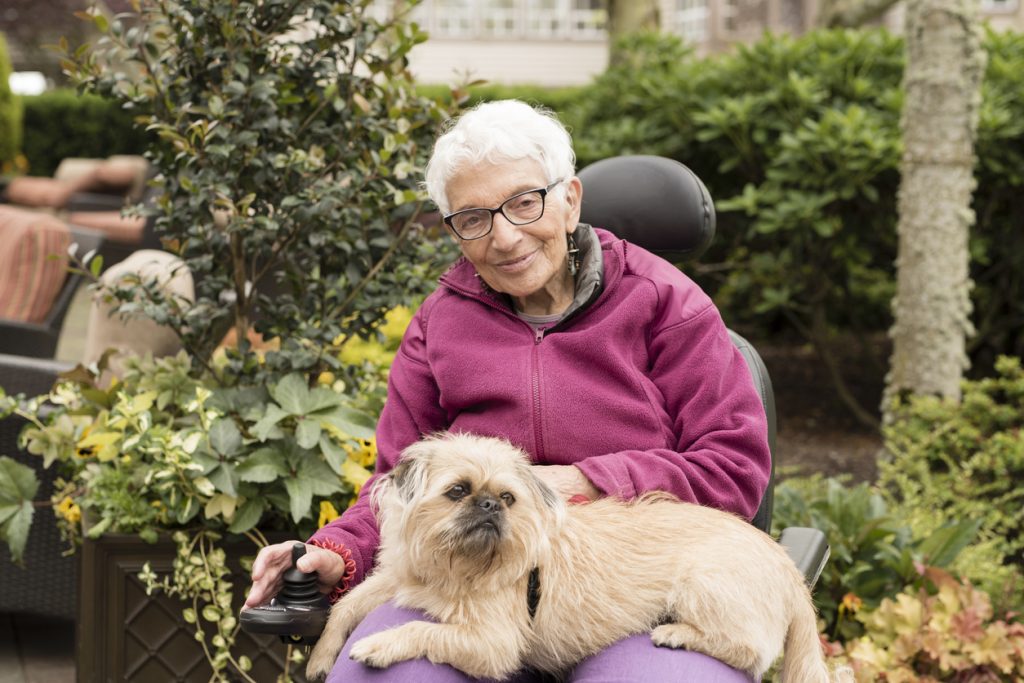
- Encourage communication: Therapy animals can serve as informal mediators in conversations, especially beneficial for patients who feel isolated or have difficulty expressing their feelings verbally.
- Facilitate emotional expression: The non-verbal interactions encouraged by animal companionship allow patients to express emotions in a safe space, often leading to breakthroughs in therapy.
- Create a calming environment: The mere presence of an animal can elicit a sense of tranquility, making therapeutic sessions more productive and enjoyable.
By intertwining animal companionship with therapeutic practices, AAT not only enhances emotional health but also cultivates a sense of community. Various organizations across the nation, from animal shelters to psychological clinics, have integrated AAT into their services. This trend reflects an increasing awareness of the healing powers of animals in human lives. Dive into this fascinating exploration to uncover how furry friends can play a pivotal role in healing, and consider volunteering or advocating for AAT programs in your community. These programs not only change lives but also enrich the fabric of our society, one wagging tail at a time.
DISCOVER MORE: Click here to find out about the emotional benefits of adopting rescue animals
The Science Behind Animal-Assisted Therapy
Animal-Assisted Therapy (AAT) operates at the intersection of companionship and psychological healing, employing the profound bond between humans and animals to foster emotional well-being. This intriguing form of therapy has garnered attention from both medical professionals and patients alike, exemplifying how animals can provide crucial support in overcoming mental health challenges. The power of AAT lies in its ability to evoke emotional responses that lead to significant improvements in patients’ well-being.
The mechanisms through which AAT exerts its effects are rooted in biological and psychological principles. Researchers have discovered that the simple act of petting or being near an animal can trigger the release of neurotransmitters, such as oxytocin, which positively influences feelings of trust and emotional connection. Furthermore, animals can help lower levels of the stress hormone cortisol, contributing to feelings of relaxation and comfort. This biological response underscores the potential of therapy animals to dramatically reduce symptoms of anxiety and depression, making them an invaluable resource in therapeutic settings.
Moreover, AAT promotes emotional growth in a myriad of ways. Here are some key aspects that highlight the multifaceted benefits of integrating animals into therapy:
- Creating Non-Judgmental Spaces: Therapy animals create a sense of safety and acceptance, encouraging patients to open up and share their feelings without the fear of judgment.
- Enhancing Social Interaction: The presence of therapy animals can serve as an icebreaker in group settings or counseling sessions, facilitating communication among patients who may struggle to connect with one another.
- Improving Coping Skills: Interacting with animals can teach patients essential coping mechanisms, enabling them to manage stress and emotional challenges more effectively.
Consider the story of a young boy diagnosed with autism spectrum disorder. His participation in an AAT program not only encouraged him to engage with his peers but also fostered a sense of responsibility and empathy. The therapy dog became his confidant, allowing for emotional expression that had previously been difficult for him. This transformational experience reflects the profound impact that therapy animals can have on the emotional landscape of patients.
As AAT gains traction, its implementation is diverse and inventive. From veterans suffering from PTSD to children facing trauma, the application of therapy animals in various therapeutic settings illustrates its versatility. Facilities such as mental health clinics, schools, and rehabilitation centers are increasingly employing trained therapy animals to support individuals in their healing journeys. The results have been overwhelmingly positive, inspiring a growing movement that champions the integration of animal companionship into traditional therapy practices.
The increasing acceptance of AAT is a testament to its effectiveness, prompting further research to explore its benefits and optimize its application. As we delve deeper into the world of Animal-Assisted Therapy, we uncover a compelling narrative of healing that intertwines emotional health with the unconditional love that only animals can provide.
Exploring the Benefits of Animal-Assisted Therapy
Animal-Assisted Therapy (AAT) is gaining significant attention in the healthcare field as a holistic approach to enhancing the emotional well-being of patients. In this therapeutic modality, trained animals, often dogs or cats, interact with individuals to facilitate healing and improve quality of life. This innovative therapy demonstrates that interaction with animals can lead to profound emotional benefits.One of the most significant advantages of AAT is its ability to reduce anxiety and depression. Numerous studies have shown that patients participating in animal-assisted activities experience lower levels of cortisol, the stress hormone. As these furry companions provide unconditional love and support, patients often find themselves happier and more relaxed. This type of therapy can be particularly beneficial for individuals undergoing treatments for mental health issues, as animals create a non-judgmental space that encourages open communication and emotional release.Furthermore, AAT can enhance social interaction. Many patients struggle with feelings of isolation, particularly those in long-term care facilities. The presence of an animal can act as a social catalyst, prompting conversations and reducing feelings of loneliness. This social aspect is crucial, as maintaining social connections is associated with better mental health outcomes.Additionally, AAT can lead to improvements in motivation and engagement in treatment. Patients often feel more inclined to participate in their therapies and daily routines when animals are involved. The joy and excitement animals bring into sessions can help patients push through resistance and encourage participation in physical rehabilitation or therapeutic exercises.In summary, animal-assisted therapy is a promising avenue for improving emotional health among a diverse patient population. By addressing issues like anxiety, loneliness, and lack of motivation, AAT opens new doors to emotional well-being that have yet to be fully explored in traditional therapies. As research continues to unfold, the potential for AAT as a complementary treatment modality becomes increasingly clear.
| Benefit | Description |
|---|---|
| Reduced Anxiety and Depression | AAT helps lower cortisol levels, fostering relaxation and emotional uplift. |
| Enhanced Social Interaction | Animals serve as catalysts for conversation, alleviating feelings of isolation. |
| Increased Motivation and Engagement | Animals inspire patients to participate actively in their therapy sessions. |
DISCOVER MORE: Click here to learn about the role of behavioral training in dog socialization
Diverse Applications of Animal-Assisted Therapy
Animal-Assisted Therapy (AAT) is not merely a trend; it embodies a potential paradigm shift in mental health treatment. Numerous studies indicate that therapy animals play a vital role in facilitating emotional healing across various demographics. By analyzing the diverse applications of AAT, we can better understand its profound impact on emotional well-being.
One of the significant demographics benefiting from AAT is the geriatric community. Elderly patients in assisted living facilities often experience loneliness and depression, which can severely impact their mental health. Research has shown that interactions with therapy animals can evoke positive emotional responses, alleviate feelings of isolation, and even lower blood pressure. For instance, an initiative in Texas found that residents who regularly engaged with therapy dogs reported a 30% decrease in depressive symptoms, revealing the potential for AAT to bring joy and companionship to those in their golden years.
In addition to elderly populations, children with behavioral and emotional disorders such as ADHD and anxiety also show remarkable improvements through AAT programs. Therapy animals, particularly dogs, provide a non-threatening source of comfort and companionship that can help children express their feelings in a safe environment. For example, a pediatric hospital in New York implemented a therapy dog program that incorporated visits following traumatic medical procedures. The outcomes were astounding—80% of the participating children demonstrated reduced anxiety levels and a greater willingness to engage in post-operative recovery.
AAT can also offer invaluable services to individuals grappling with severe mental health issues, including veterans diagnosed with PTSD. The challenges of reintegrating into civilian life often lead to feelings of distress and emotional disconnection in veterans. Organizations across the United States have begun pairing veterans with support animals, such as service dogs, trained specifically to recognize signs of anxiety and distress. These therapy animals act as emotional anchors and have been reported to significantly reduce instances of flashbacks and panic attacks, facilitating an improved quality of life.
Moreover, the implications of AAT extend into the workplace, where stress management and emotional well-being are increasingly prioritized. Companies in various sectors have started implementing therapy dog days, allowing employees to interact with therapy animals during breaks. Such initiatives have shown to boost morale, enhance productivity, and lower stress levels in employees. A recent survey indicated that organizations incorporating AAT reported a 20% increase in employee satisfaction and a noticeable decline in absenteeism.
Given the rich fabric of contexts in which AAT proves beneficial, it becomes evident that its potential reaches far beyond mere emotional support. It serves as a bridge—not only connecting individuals to their own emotional experiences but also fostering connections among people. The narrative of AAT continually unfolds, inspiring professionals from various fields to embrace animal companionship as an integral component of therapeutic practices, fostering a holistic approach that enhances emotional well-being across populations.
DISCOVER MORE: Click here to learn about the emotional and psychological benefits of adopting rescue animals
Conclusion
In summary, Animal-Assisted Therapy (AAT) emerges as a transformative approach to enhancing emotional well-being across diverse populations. From the elderly battling loneliness to children overcoming anxiety and veterans navigating the challenges of PTSD, AAT has proven its efficacy in fostering emotional connections and facilitating healing. The scientific data underscores these benefits, with relevant studies demonstrating significant reductions in depression, anxiety, and stress levels across various settings.
The versatile applications of AAT extend into numerous environments, including healthcare facilities, educational institutions, and workplaces, making it a valuable asset in a holistic therapeutic approach. As companies embrace therapy animals to cultivate healthier work environments, the positive correlation between employee satisfaction and emotional well-being becomes increasingly evident.
Importantly, AAT not only serves the individual but enriches communal connections, fostering a sense of shared understanding and compassion. This underscores the need for ongoing exploration and implementation of AAT techniques across professionals in fields such as psychology, education, and corporate wellness. By integrating animal companionship into therapy, we can pave the way for innovative treatment paradigms that prioritize emotional health.
As society continues to evolve in its understanding of mental health, the role of therapy animals will likely expand, prompting further research and adaptive methodologies. The burgeoning interest in AAT invites an exploration of its potential, urging both caregivers and patients to consider the profound emotional benefits these interactions can create. For all the advancements in medical science, tapping into the healing power of our animal companions may just be one of the most humane and effective approaches in promoting well-being.
Related posts:
The Effects of Pet Presence on the Cardiovascular Health of Owners
The Importance of Socializing Pets for Mental and Physical Health
The Importance of Animal-Assisted Therapy in Mental Health
Healthy Nutrition for Pets: How Balanced Diets Contribute to Overall Well-Being
How Pets' Presence Can Increase Socialization and Human Connections
Healthy Eating for Pets: Impacts on Owners' Health and Well-Being

Linda Carter is a writer and pet care expert specializing in pet health, grooming, and wellness. With extensive experience helping pet owners create safe, loving, and enriching environments for their animals, Linda shares her knowledge on our platform. Her goal is to empower readers with practical advice and strategies to ensure their pets thrive and lead joyful, healthy lives.