The Importance of Dental Health in Pet Life
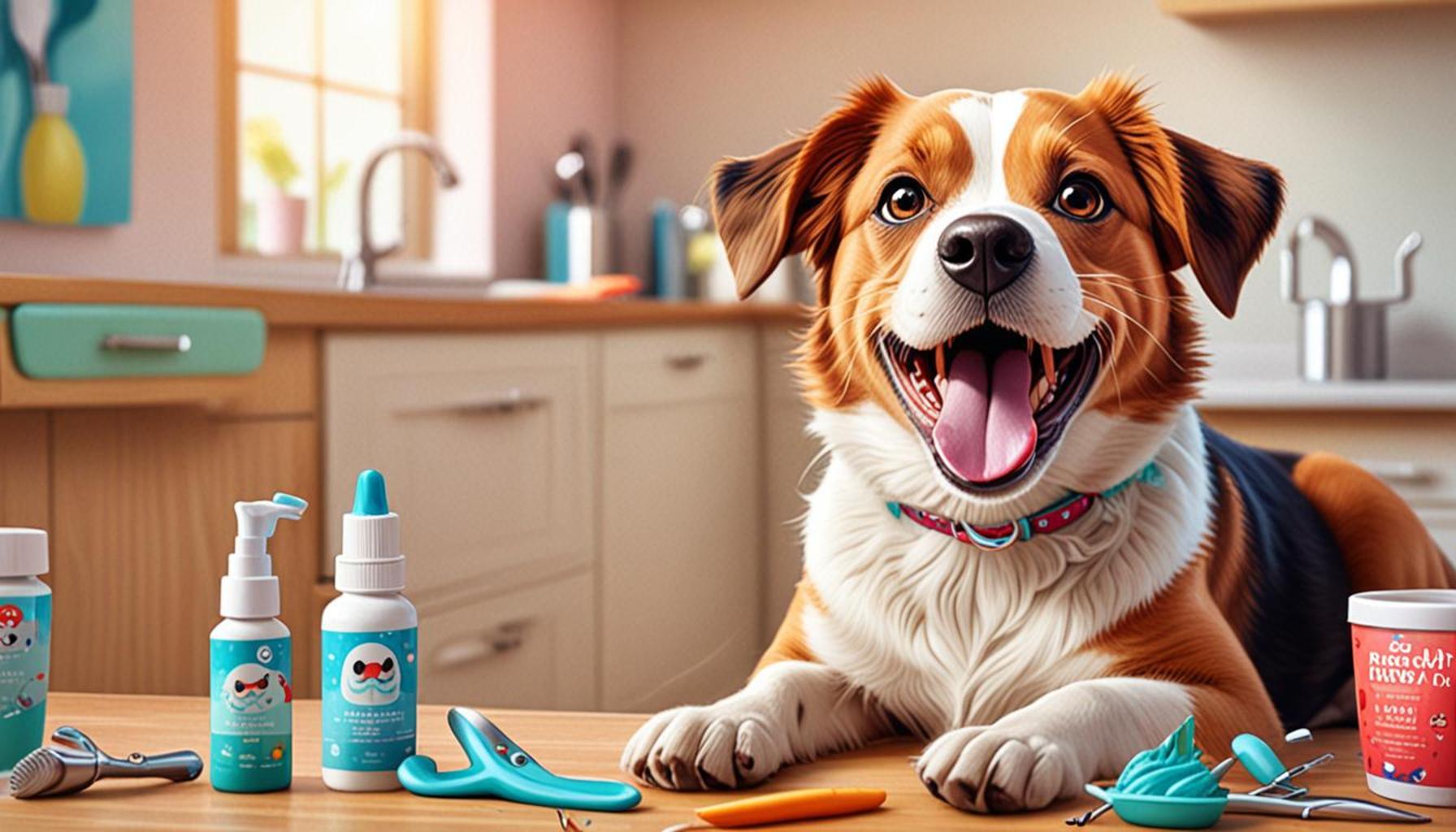
The Importance of Dental Care for Your Pets
For many pet owners, the thought of their beloved furry companions often brings to mind playful antics, loyal companionship, and unconditional love. However, an essential aspect of pet care that tends to fly under the radar is dental health. Just like humans, pets require proper dental hygiene to prevent severe health complications, and the implications of neglecting this crucial area can be alarming.
Consider these alarming facts about pet dental health:
- Over 80% of dogs and 70% of cats show signs of dental disease by the age of three. This statistic indicates how prevalent oral health issues are among pets, underscoring the necessity of early intervention.
- Dental disease can lead to heart, liver, and kidney issues due to bacteria entering the bloodstream. This connection highlights how oral bacteria can have far-reaching health impacts that extend beyond the mouth.
- Every year, pets with dental problems experience decreased quality of life, losing out on activities they love. Imagine a dog that can no longer enjoy its favorite chew toy or a cat that hesitates to play due to mouth pain; these scenarios are more common than one thinks.
Taking care of your pet’s teeth and gums involves more than just occasional teeth brushing. It necessitates a comprehensive understanding of various elements that contribute to excellent dental health:
- Regular veterinary check-ups are crucial to monitor dental health. A qualified veterinarian can conduct professional cleanings and assess for any potential oral issues that might go unnoticed at home.
- Utilizing dental treats and toys specifically designed to reduce plaque buildup can also be beneficial. These products play a dual role by stimulating your pet during playtime while also promoting oral health.
- Awareness of signs indicating dental issues, such as bad breath or difficulty eating, is vital for early detection. If your furry friend suddenly shies away from food, it may be time to investigate potential dental problems.
Investing time and effort in your pet’s dental care can significantly prevent serious health complications and enhance their quality of life. Simple practices such as establishing a regular brushing routine or incorporating dental treats into their diet can lead to remarkable improvements in their well-being. By prioritizing dental health, pet owners can help ensure their furry companions remain healthy and happy for many years to come.
As a pet parent, it’s essential to explore all the available resources and tips for maintaining excellent dental hygiene for your pets. Consider speaking with your veterinarian about personalized recommendations tailored to your pet’s specific needs, and stay informed on the latest developments in pet dental care. Remember, a healthy mouth is key to a healthy pet.

DIVE DEEPER: Click here to learn about the importance of consistency in pet training
Understanding the Impact of Oral Health on Overall Well-Being
The mouth is not just an entry point for food; it plays a pivotal role in your pet’s overall health and happiness. When it comes to pet dental health, there’s an intricate link between oral hygiene and various bodily functions. Neglecting that connection can lead to serious ramifications. For instance, bacteria from the mouth can enter the bloodstream, potentially affecting vital organs such as the heart, liver, and kidneys. This alarming fact underscores the importance of proactive dental care for pets.
Many pet owners are surprised to learn that dental disease is one of the most common health issues faced by cats and dogs. In fact, studies indicate that up to 80% of dogs and 70% of cats will develop signs of oral disease by merely three years of age. Without appropriate intervention, these early signs can lead to severe complications, not only diminishing the pet’s quality of life but also incurring higher veterinary costs in the future.
Routine dental care is crucial in mitigating these risks. Here are some key aspects to consider:
- Regular Vet Visits: Ensuring your pet receives regular check-ups allows veterinarians to monitor dental health effectively. Most veterinary practices recommend annual dental cleanings and examinations to identify problems before they escalate.
- At-Home Dental Care: Pet owners should establish a consistent dental care routine, which includes daily brushing. The use of pet-specific toothpaste can make this process more palatable for your furry friend.
- Monitoring Dietary Choices: Opting for a high-quality diet that includes dental health benefits can significantly reduce plaque buildup. Some kibble varieties are specifically designed to help scrape away tartar and promote overall dental wellness.
- Choosing Appropriate Chew Toys: Providing dental treats or toys designed for oral health not only keeps pets entertained but can also play a proactive role in maintaining their dental hygiene.
Committing to your pet’s dental health should not be seen as a chore but rather as a vital part of their overall wellness regimen. Many pet owners may overlook the significance of oral health, but engaging in preventative care can lead to a longer and healthier life for your furry companion. The transition to a more dental-focused pet care routine might require some effort, but considering the potential health benefits, it’s an endeavor that pays off immensely.
To further enrich your understanding of this critical aspect of pet care, research suggests that incorporating veterinary advice alongside at-home care can produce the best outcomes. Connecting with local veterinarians and educating yourself on the importance of dental health can empower you as a pet owner, enhancing both your knowledge and your pet’s well-being. Remember, a pet with a healthy mouth is more likely to enjoy a vibrant, active life.
| Dental Diseases | Prevention Methods |
|---|---|
| Periodontal Disease | Regular dental cleaning is essential to eliminate plaque buildup. |
| Tooth Decay | Routine vet check-ups help in early detection and manage teeth care. |
| Bad Breath | Daily teeth brushing can significantly reduce bad odors. |
| Gum Disease | Dental chews aid in reducing food debris and plaque. |
Maintaining dental health in pets is crucial not only for their mouth but also for their overall health. Pets suffering from dental diseases may experience chronic pain, difficulty eating, and even systemic health issues. For example, bacteria from periodontal disease can enter the bloodstream and affect vital organs, leading to serious conditions such as heart disease and kidney failure. Preventative care measures like regular dental check-ups and teeth brushing can significantly enhance your pet’s quality of life. Additionally, providing dental chews and toys encourages natural chewing behavior that helps clean teeth. Exploring these aspects further will expose pet owners to an array of solutions aimed at fostering their furry companions’ long-lasting dental health. Understanding the vital connection between oral hygiene and your pet’s general well-being prompts a proactive stance in their care routine.
DIVE DEEPER: Click here to learn how nutrition influences your pet’s behavior
Preventative Measures and Their Role in Promoting Lifelong Dental Wellness
Preventative care is the cornerstone of ensuring your pet’s oral health journey is both effective and manageable. By integrating a combination of strategies, pet owners can significantly reduce the risk of dental diseases. The implications of maintaining strong dental hygiene extend well beyond the mouth; they impact overall health, affecting aspects like behavior, energy levels, and even digestion.
One of the leading causes of poor dental health in pets is the accumulation of plaque and tartar, primarily resulting from inadequate at-home dental care. Owners are often unaware that simple adjustments to their pets’ routines can yield impressive results. For example, many pet owners might hesitate to incorporate brushing due to the perceived difficulty. However, starting slowly can foster a positive experience. Using flavored toothpaste can make the process more enjoyable, encouraging pets to accept brushing as part of their routine.
Furthermore, implementing water additives and dental gels can provide an effortless means of enhancing oral hygiene. These products are designed to combat bacteria and reduce plaque, all while being easy to administer. Adding such dental aids into your pet’s drinking water can be particularly beneficial for those pets who may resist traditional brushing. In fact, a remarkable study suggests that pets using dental water additives showed a significant reduction in plaque by up to 60% compared to those who did not use these products.
A proactive approach also encompasses utilizing dental chews and toys that promote oral health. These items not only serve as an entertaining distraction but are carefully crafted to aid in scraping away food particles and plaque buildup. Look for products bearing the Veterinary Oral Health Council (VOHC) seal of acceptance, as these items have been proven to be effective in reducing dental diseases in pets.
Consider incorporating dental-friendly supplements into your pet’s diet. Ingredients like omega-3 fatty acids can not only support joint and skin health but also help in mitigating inflammation in the mouth, promoting better dental health. Additionally, some supplements boast antibacterial properties, which can further aid in fighting the causes of periodontal disease.
Moreover, being acutely aware of your pet’s oral health can be crucial. Regularly examining your pet’s mouth for signs of trouble can lead to early detection of issues. Look out for common indicators like bad breath, swollen gums, and changes in chewing habits. Such observations will empower you to seek prompt veterinary attention, potentially preventing complex and costly procedures later on.
Many pet owners fail to connect their pets’ dental health with overall well-being. Addressing this misconception is vital. For instance, did you know that signs of dental issues can often manifest as behavioral changes? Pets may become more irritable or withdrawn due to discomfort caused by dental pain. Understanding these connections enables owners to provide a supportive environment for their pets.
In addition to routine care, it’s also beneficial to foster a relationship with a veterinarian who specializes in dental health. Regular visits to a veterinary dentist can help outline a comprehensive dental care plan tailored to your pet’s individual needs, ensuring an optimal quality of life.
DISCOVER MORE: Click here to learn about our initiatives
Conclusion: Nurturing Your Pet’s Smile for a Healthier Life
In conclusion, the significance of dental health in pet life cannot be overstated. Adopting a proactive approach to your pet’s oral hygiene is essential not just for preventing dental diseases, but also for enhancing their overall quality of life. The correlation between oral health and general well-being is profound; neglecting dental care can lead to a cascade of health issues, affecting everything from behavior to physical vitality.
By implementing simple yet effective preventative measures like regular brushing, utilizing dental aids, and providing appropriate diets, pet owners can make considerable strides in maintaining their furry companions’ oral health. It’s also imperative to foster a relationship with a veterinarian who can tailor a comprehensive care plan that suits individual needs. This allows for early detection of problems that could develop into serious health concerns.
Moreover, understanding the link between dental health and behavioral changes equips pet owners to notice subtle signs of distress. This awareness can ultimately enable timely intervention and foster a nurturing environment for pets. As we commit to ensuring our pets lead happy, healthy lives, we must prioritize their dental health as a key component of their care routine.
Thus, by recognizing the importance of dental health, taking proactive steps, and staying informed, we can ensure that our beloved pets enjoy not just longevity but also a vibrant and joyful life.
Related posts:
The Importance of Regular Physical Activity for Pet Health
Strategies for Caring for Elderly Animals: Tips to Extend Quality of Life
How to Identify and Treat Common Allergies in Dogs and Cats
Preventive Health Care for Pets: Vaccination and Regular Check-ups
The Role of Pet Animals in Rehabilitation Therapy: How They Help in Patient Recovery
Proper Nutrition: The Role of Diet in the Prevention of Diseases in Pets

Linda Carter is a writer and pet care expert specializing in pet health, grooming, and wellness. With extensive experience helping pet owners create safe, loving, and enriching environments for their animals, Linda shares her knowledge on our platform. Her goal is to empower readers with practical advice and strategies to ensure their pets thrive and lead joyful, healthy lives.