Strategies for Dealing with Separation Anxiety in Dogs and Cats

Understanding Separation Anxiety in Pets
Separation anxiety presents a significant challenge for many pet owners throughout the United States, deeply influencing the well-being of both pets and their families. Dogs and cats often exhibit distressing symptoms when faced with solitude, leading to behaviors that can disrupt homes and relationships. Among these manifestations are excessive barking and meowing, particularly in dogs and cats respectively, alongside more serious concerns like destruction of property and house soiling. As the emotional state of a pet deteriorates, the bond between the animal and their owner can also suffer.
To effectively deal with this issue, pet owners must first recognize the symptoms and explore the underlying causes that contribute to separation anxiety. Some common signs that a pet may be suffering from this condition include:
- Destructive behavior: Pets exhibiting separation anxiety might resort to chewing on furniture, gnawing at shoes, or scratching doors in a desperate attempt to escape or alleviate their stress.
- Excessive vocalization: This can manifest as persistent barking in dogs or loud meowing in cats, often escalating into a cacophony that can disturb neighbors and leave pet owners feeling helpless.
- House soiling: Accidents inside the home, especially for house-trained pets, can indicate anxiety when alone, as pets might not feel secure enough to wait for their owners to return.
Identifying these signs early is key in preventing more severe reactions and behavioral issues. A proactive approach is essential for addressing and alleviating separation anxiety. Consequently, implementing several effective methods can create a supportive environment for anxious pets. Here are some strategies:
- Gradual desensitization: This technique involves slowly increasing the length of time a pet is left alone, starting with just a few minutes and gradually extending the duration as they become more comfortable with solitary periods.
- Positive reinforcement: Rewarding your pet with treats and praise for calm behavior during departures and arrivals can condition them to associate these moments with positive experiences rather than anxiety.
- Creating a safe space: Designating a cozy area in your home as a safe haven for your pet can help. This could include their bed, favorite toys, and even an item with your scent, establishing a comforting surroundings that alleviates loneliness.
By focusing on these strategies, pet owners can foster healthier and happier pets. Furthermore, this not only enhances the quality of life for pets struggling with anxiety but also strengthens the bond between them and their owners. Recognition and intervention can pave the way for a more harmonious cohabitation, allowing both parties to thrive. Additionally, pet owners are encouraged to consult with professional trainers or behaviorists, who can offer personalized guidance tailored to their pet’s specific needs, leading to a more profound understanding of behavioral issues.
DISCOVER MORE: Click here for essential tips on pet safety and comfort
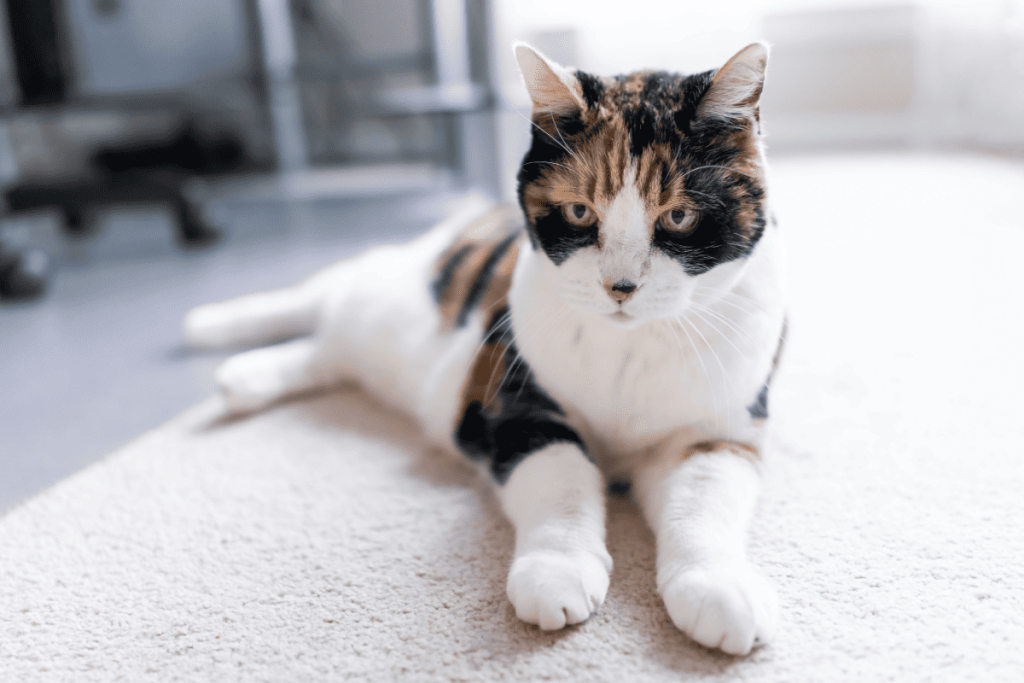
Practical Strategies for Easing Separation Anxiety
Just like humans, dogs and cats can become overwhelmed by feelings of loneliness and stress when left alone. To combat these emotional struggles, understanding and employing effective strategies is crucial for pet owners. By introducing a series of carefully tailored methods, you can significantly decrease anxiety levels in your furry companions and help restore a sense of security.
1. Gradual Desensitization Techniques
A fundamental technique in addressing separation anxiety is gradual desensitization. This method involves training your pet to be more comfortable with being alone over time. Start by leaving your pet in a designated area for just a few minutes, gradually increasing the duration as they adjust. For example, if you usually leave for several hours, begin with intervals of five to ten minutes and slowly extend to 15, 30, and ultimately, full-length departures. By steadily increasing this time apart, pets can learn that being alone is not a threat but a manageable part of their routine.
2. Employing Positive Reinforcement
Positive reinforcement plays a vital role in helping pets form positive associations with leaving their owners. Every time you prepare to leave, remain calm and do not make a big deal out of your departure. Instead, reward your pets for relaxed behavior during these moments by giving them treats or affection. When you return home, remain calm as well and avoid overwhelming your pet with excitement. This way, they can learn that your coming and going is a normal occurrence and not something to fear.
3. Designating a Comforting Safe Space
Creating a safe space for your pet is instrumental in mitigating their anxiety. This zone can be a cozy spot where your cat or dog feels secure and comfortable. Utilize a crate or a designated room that contains blankets, toys, and perhaps an item bearing your scent, like an old T-shirt. This safe haven provides a retreat when your pet feels uneasy, fostering a sense of comfort and stability in your absence.
4. Mental and Physical Stimulation
Another powerful strategy is to ensure that your pet receives ample mental and physical stimulation before you leave. Engage them in playtime, take them for walks, or introduce puzzle toys that challenge their minds. When pets are tired, they are less likely to exhibit anxiety-driven behaviors. A well-exercised pet is typically calmer and more likely to enjoy their alone time without distress.
5. Providing Background Noise
Sometimes, silence can amplify anxiety. Some pets find comfort in background noise, such as leaving a TV or radio on while you are away. This gentle hum can help mask unsettling environmental sounds and create a more soothing atmosphere for your anxious pet. Furthermore, consider audio recordings designed specifically for pets, featuring calming sounds that can reinforce feelings of safety.
By implementing these strategies, pet owners can create a nurturing environment that encourages resilience in their dogs and cats. Not only do these methods alleviate anxiety, but they also enhance the overall quality of life for both pets and their owners. Recognizing the individual needs of each animal is essential, and sometimes seeking advice from a professional trainer or behaviorist can yield additional invaluable insights tailored to your pet’s specific situation.
| Category | Advantages |
|---|---|
| Behavior Training | Establishes a positive routine that helps alleviate anxiety. |
| Environmental Enrichment | Stimulates the mind, reducing stress levels when left alone. |
| Desensitization | Gradually acclimates pets to separations, minimizing panic responses. |
| Calming Products | Includes collars, sprays, or supplements that soothe nervous pets. |
Understanding the various strategies for dealing with separation anxiety in dogs and cats is crucial for pet owners. Behavioral training not only addresses the root of the anxiety but also strengthens the bond between pets and their owners. By incorporating environmental enrichment, such as toys and interactive games, pet owners can create a stimulating environment that keeps pets occupied and reduces stress while alone. The process of desensitization allows pets to gradually accept being alone for more extended periods, effectively transforming a panic response into manageable intervals. Furthermore, the application of calming products can greatly assist during the adjustment time, making the transition smoother for your furry companions. Each of these strategies offers a pathway to help pets cope with separation in a manner that is both humane and effective, encouraging deeper exploration into implementing these solutions.
DISCOVER MORE: Click here to learn how pets aid recovery
Additional Techniques for Alleviating Separation Anxiety
It’s crucial to understand that addressing separation anxiety in pets may require a multi-faceted approach. Beyond the foundational strategies previously outlined, there exist several additional techniques that can further support your efforts in creating a peaceful environment for your beloved companions. These innovative methodologies can significantly aid in diminishing anxiety and promoting a sense of calm.
6. Use of Calming Products
Many pet owners have reported success with calming products designed specifically for anxious animals. These products can range from natural supplements containing ingredients like melatonin or valerian root to pheromone diffusers that replicate the natural calming scents of a mother cat or dog. Brands such as Adaptil and Feliway have gained popularity for their effectiveness in creating a soothing atmosphere. Additionally, some pet stores carry anxiety wraps or snug-fit vests that can help reduce feelings of panic by providing gentle pressure that many animals find comforting.
7. Implementation of Consistent Routines
Establishing a consistent routine can help create a sense of security for your pet. Animals thrive on familiarity and knowing what to expect can reduce anxiety levels. Try to keep feeding, walking, and playtime schedules consistent, helping your pets know when to anticipate your presence and when they will have alone time. Regular routines lend an air of predictability that can significantly ease tension and promote relaxation.
8. Interactive and Engaging Toys
Another effective strategy involves the use of interactive toys that engage your pet mentally when you are away. These toys can provide entertainment and distraction, thereby reducing feelings of loneliness. Look for puzzle feeders or treat-dispensing toys that challenge your pet to work for their reward. This activity not only stimulates their mind but can also stave off boredom, a common contributor to anxiety-related behaviors.
9. Technology as an Ally
With the rise of technology, pet owners have access to numerous gadgets designed to monitor and assist anxious pets. Consider investing in pet cameras that allow you to see and even talk to your furry friend while you’re away. Advanced models even enable you to dispense treats remotely. You can check in on your pet, offer calming reassurance, and even record their response—valuable data that can help refine your separation management strategy.
10. Seek Professional Help When Needed
Often, the symptoms of serious separation anxiety may require professional intervention. If your efforts aren’t yielding results, do not hesitate to seek guidance from a veterinarian or a certified animal behaviorist. They can provide tailored advice, recommend specialized training programs, or determine if medications might be appropriate for your pet’s condition. Moreover, they can help rule out any possible underlying health issues contributing to your pet’s anxiety, ensuring a comprehensive approach to treatment.
Understanding that pet separation anxiety varies from one animal to another is key. By utilizing a combination of these techniques, pet owners can create a nurturing atmosphere that fosters resilience in their dogs and cats, transforming separation into a more manageable experience. With patience and proper implementation, it is possible to help anxious pets thrive, leading to happier and healthier lives equipped to handle alone time.
DISCOVER MORE: Click here to learn how pets encourage outdoor fun
Conclusion: Navigating Separation Anxiety in Pets
In the realm of pet ownership, understanding and addressing separation anxiety in dogs and cats is essential for fostering a harmonious relationship between you and your furry companion. As we have explored, recognizing the signs of anxiety is the first step toward implementing effective strategies. Utilizing a combination of approaches—from creating a stable environment with consistent routines to employing calming products and engaging toys—can significantly ease your pet’s distress.
Moreover, the integration of technology into pet care opens new avenues for reassurance and monitoring, ensuring that you can keep an eye on your pet’s well-being while you are away. While these strategies serve as foundational methods, remember that it’s crucial to tailor your approach to your pet’s specific needs. In more severe cases, seeking assistance from a professional can provide the guidance necessary to address deeper issues, ensuring your pets receive the comprehensive care they require.
Ultimately, patience and commitment will lead the way to a more confident pet, capable of managing alone time more effectively. Striving for a balanced lifestyle, enriched with mental stimulation and emotional support, will enhance your pet’s quality of life, promoting both their happiness and yours. As you implement these strategies, not only will you improve your pet’s emotional health, but you will also strengthen the bond between you, paving the way for a happier and healthier future together.
Related posts:
The Importance of Socialization for the Well-Being of Pets
How to Identify and Treat Common Allergies in Dogs and Cats
The Impact of Cognitive Stimulation on Pet Behavior
How to Choose the Right Toy to Stimulate Your Pet's Behavior
The Importance of Socialization in the Mental Health of Dogs and Cats
Proper Nutrition: The Role of Diet in the Prevention of Diseases in Pets

Linda Carter is a writer and pet care expert specializing in pet health, grooming, and wellness. With extensive experience helping pet owners create safe, loving, and enriching environments for their animals, Linda shares her knowledge on our platform. Her goal is to empower readers with practical advice and strategies to ensure their pets thrive and lead joyful, healthy lives.