The role of rescue organizations in promoting responsible animal adoption

Understanding the Importance of Rescue Organizations
In an era where animal welfare is gaining significant attention, rescue organizations play a pivotal role in shaping responsible animal adoption. They serve as advocates for countless stray and abandoned animals, ensuring that each animal finds a loving home. Their efforts not only save lives but also educate the community on the responsibilities of pet ownership, inciting a broader movement towards compassion and empathy for all living creatures.
Key Functions of Rescue Organizations
These organizations offer a variety of essential services that promote ethical adoption practices, each contributing to a healthier society and better living conditions for pets. Some of the most vital functions include:
- Fostering Programs: Many rescue groups provide temporary homes for animals, allowing potential adopters to assess compatibility before making a commitment. This fosters a more informed adoption experience; for instance, a family might intricately understand a dog’s temperament and energy level by spending several weeks with it in a home environment.
- Spay and Neuter Initiatives: By reducing pet overpopulation, these programs contribute to healthier communities and fewer abandoned animals. States like California have seen significant reductions in shelter populations thanks to such initiatives. Education surrounding the benefits of spaying and neutering extends beyond community awareness—many organizations offer low-cost clinics to ensure accessibility to these crucial services.
- Education and Outreach: Workshops, seminars, and outreach events raise awareness about responsible pet ownership and the importance of adoption. For example, organizations like the ASPCA frequently conduct community events aimed at teaching potential pet owners about the responsibilities and commitments that come with adopting pets.
Moreover, adopting from a rescue organization often comes with unique benefits, such as:
- Access to medical history and vaccinations, which can save future pet owners both time and money.
- Support from staff and volunteers to help with adjustments; organizations often provide follow-up resources, including training tips and behavioral guidance, ensuring a smooth transition for both pets and their new families.
- A chance to save an animal’s life and make a lasting impact in the community. For many, the decision to adopt from a rescue organization is deeply personal, resonating with the desire to give a second chance to animals that have experienced neglect or hardship.
As the conversation around animal rights continues to evolve, understanding the impact of rescue organizations is crucial. Their dedication not only promotes responsible adoption but also fosters a more compassionate society that values and respects all living beings. With a growing movement toward adopting rather than shopping for pets, individuals can become part of a transformative shift that emphasizes love, care, and responsibility in animal welfare.
DISCOVER MORE: Click here to learn about the impact of pets on patient recovery
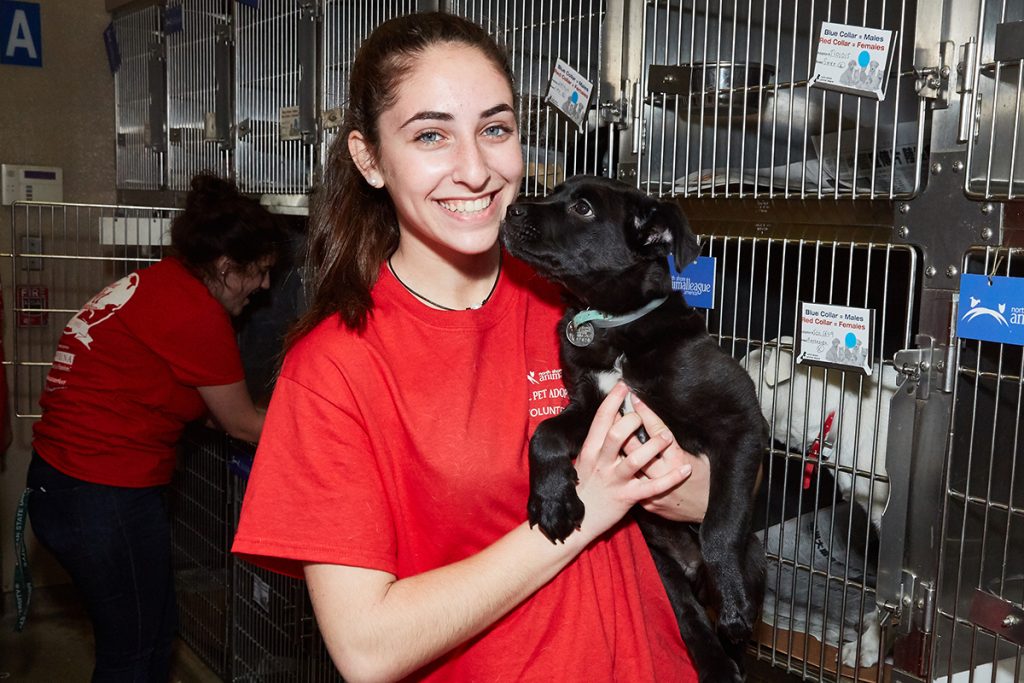
The Impact of Rescue Organizations on Animal Adoption Practices
Rescue organizations are crucial in filling the gap between homeless animals and potential pet owners, significantly influencing the overall landscape of animal adoption in the United States. Their multifaceted approach effectively tackles the challenges of animal overpopulation, neglect, and abandonment, while simultaneously enhancing the general awareness of responsible pet ownership. By creating connections between animals in need and compassionate families, these organizations not only facilitate adoptions but instill a deeper understanding of the commitment that comes with pet ownership.
Building Trust through Transparency
One of the standout features of rescue organizations is their commitment to transparency in the adoption process. Prospective adopters are often provided with comprehensive information about an animal’s background, behavior, and health history. This approach ensures that adopters make informed decisions tailored to their lifestyles. For instance, organizations may offer in-depth interviews or questionnaires that help match families with pets that fit their activity levels and home environments. Such measures not only improve the likelihood of successful adoptions but also reduce the risk of animals being returned to shelters, ultimately leading to lower euthanasia rates.
Crisis Intervention and Community Engagement
Furthermore, rescue organizations actively engage with local communities to address the roots of animal abandonment. Through partnership with local veterinarians, educational programs, and advocacy efforts, they strive to combat issues such as pet overpopulation and irresponsible breeding practices. By raising awareness about spaying and neutering, they help curb the influx of unwanted animals entering shelters. Initiatives like community pet food banks or low-cost veterinary services provide essential assistance to pet owners facing financial difficulties, ensuring that animals remain in loving homes rather than being surrendered to shelters.
- Collaboration with Local Governments: Many rescue organizations work alongside municipalities to develop animal control policies that prioritize humane treatment and reduce shelter populations.
- Volunteer Programs: Enlisting volunteers not only helps rescue groups operate efficiently but also promotes community involvement, fostering a stronger bond between residents and local animal welfare efforts.
- Awareness Campaigns: Utilizing social media and local events, rescue organizations leverage technology to reach broader audiences, encouraging potential adopters to consider animals in need while educating them on the responsibilities of pet ownership.
In a nation where millions of animals without homes linger in shelters and on the streets, the role of rescue organizations cannot be overstated. Their steadfast dedication to ethical adoption practices and community welfare is vital for nurturing a society that values animals and promotes responsible ownership. As individuals seek new companions, the efforts of these organizations continue to illuminate the path towards fulfilling and sustainable pet adoption experiences.
| Advantage | Description |
|---|---|
| Community Education | Rescue organizations actively engage in educating the public about responsible pet ownership. |
| Behavioral Support | They provide resources and training to help adopters understand and manage pet behavior. |
| Fostering Programs | Fostering helps socialize animals and prepares them for a permanent home. |
| Reduced Euthanasia Rates | These organizations help lower euthanasia rates through proactive adoption campaigns. |
The role of rescue organizations in the promotion of responsible animal adoption is multifaceted, providing communities with vital resources and education. Through community programs, they ensure that potential adopters are well-informed about the long-term responsibilities of pet ownership. This education often extends to children and schools, fostering a culture of compassion and responsibility from a young age.Moreover, they offer behavioral support programs that equip adopters with the tools needed to create harmonious relationships with their new pets. This often includes workshops, training sessions, and one-on-one consultations which are invaluable in reducing the chances of abandonment and returning pets.Additionally, fostering programs not only provide temporary homes for animals in need but also help socialize them, making them more adoptable. This network of care enhances the quality of life for the animals and significantly improves the chances of finding them permanent homes. By actively participating in community education, providing behavioral support, and facilitating fostering initiatives, rescue organizations are paving the way for a more informed and compassionate approach to animal adoption, ultimately aiming to reduce euthanasia rates and change perceptions about shelter pets.
DISCOVER MORE: Click here to learn how to help your pet adapt
The Education and Lifelong Support for Adopters
In addition to their outreach efforts, rescue organizations play a pivotal role in providing education and ongoing support to new pet owners. Understanding that the journey of pet ownership does not end once an adoption is finalized, many organizations offer resources that help families navigate the challenges that come with welcoming a new animal into their homes. This comprehensive approach is crucial in fostering a lasting, healthy relationship between pets and their owners.
Workshops and Training Programs
Many rescue organizations host workshops and training programs aimed at equipping new adopters with essential skills. These sessions cover significant topics such as basic obedience training, socialization techniques, and proper nutrition. By providing this foundational training, rescue organizations enhance the chances of a smooth transition for both the pet and the family. Participants often develop a support network that fosters community engagement and encourages responsible ownership practices.
Emphasis on Behavioral Understanding
Moreover, organizations often emphasize the importance of understanding animal behavior. By educating adopters on how to read their pets’ body language and vocalizations, potential problems can be mitigated before they escalate. Implementing behavior modification strategies helps new owners address common issues, such as house training or separation anxiety, thereby creating a harmonious home environment. This emphasis on *behavioral education* is critical, especially in the case of rescue animals who may come with past trauma or anxiety.
Networking and Community Resources
Furthermore, many rescue organizations establish networks that provide adopters with access to various community resources. For example, discounted veterinary services, pet supplies, and emergency support ensure that pet owners never feel isolated in their responsibilities. This interconnected support system encourages newly adopted families to remain committed to their pets, significantly reducing the rate of return adoptions. The sense of community not only reassures pet owners but also fosters a culture of responsible pet ownership that extends beyond the individual family unit.
- Online Resources: Many rescue organizations maintain websites with valuable resources for new adopters, including tutorials, FAQs, and links to additional reading materials.
- Pet Owner Support Groups: Connecting new adopters through social media groups allows them to share experiences, seek advice, and offer support to one another.
- Annual Reunion Events: Organizing events that bring together adoptive families fosters a sense of belonging and reinforces the commitment to responsible pet ownership.
At the heart of these initiatives lies the belief that education and support are fundamental in shaping responsible behaviors in pet ownership. As organizations continue to prioritize these aspects, they are not just altering the lives of individual animals and families, but are actively contributing to a broader cultural shift towards compassion, understanding, and lifelong dedication to animal welfare. This proactive engagement further solidifies the essential role of rescue organizations in promoting responsible animal adoption in the United States.
DON’T MISS: Click here to discover why consistency is key
Conclusion: A Collective Responsibility Towards Animal Welfare
The significant role of rescue organizations in promoting responsible animal adoption cannot be overstated. These organizations are not only facilitators of the adoption process but also champions of education and community support. By empowering new pet owners with crucial resources and knowledge, they ensure that the journey of pet ownership is fulfilling rather than overwhelming. From workshops on training to behavioral understanding, the holistic approach adopted by these organizations transforms the lives of both animals and their owners, creating lasting bonds rooted in care and respect.
As communities across the United States increasingly embrace the notion of adopting rather than purchasing pets, the efforts of rescue organizations pave the way for a cultural shift. They are building a network of responsible pet owners who are not only committed to providing loving homes but also to advocating for animal welfare. This culture is reinforced through online resources, social media support groups, and annual events that celebrate the bond between humans and their four-legged companions.
Ultimately, the collaboration between rescue organizations, adopters, and local communities is essential in fostering a future where responsible animal adoption is the norm. As we continue to prioritize education and resource accessibility, we pave the way for a more compassionate society. By supporting these organizations—whether through adoption, volunteer work, or donations—we actively participate in a movement that values the well-being of animals and enriches our communities. Embracing this responsibility not only transforms individual lives but also contributes to the promise of a brighter future for all animals.
Related posts:
How to Choose the Ideal Rescued Animal for Your Family
The emotional impact of adopting rescued pets: testimonies from families and rescuers
The Importance of Rescuing Adoption Animals: Stories of Transformation
The importance of adopting rescued pets: transforming lives and homes
Socialization Techniques for Rescued Animals: Preparing Them for Adoption
Demystifying the Process of Adopting Rescued Animals: What to Expect and How to Prepare

Linda Carter is a writer and pet care expert specializing in pet health, grooming, and wellness. With extensive experience helping pet owners create safe, loving, and enriching environments for their animals, Linda shares her knowledge on our platform. Her goal is to empower readers with practical advice and strategies to ensure their pets thrive and lead joyful, healthy lives.