How Behavior Training Can Improve the Relationship between Pets and Children
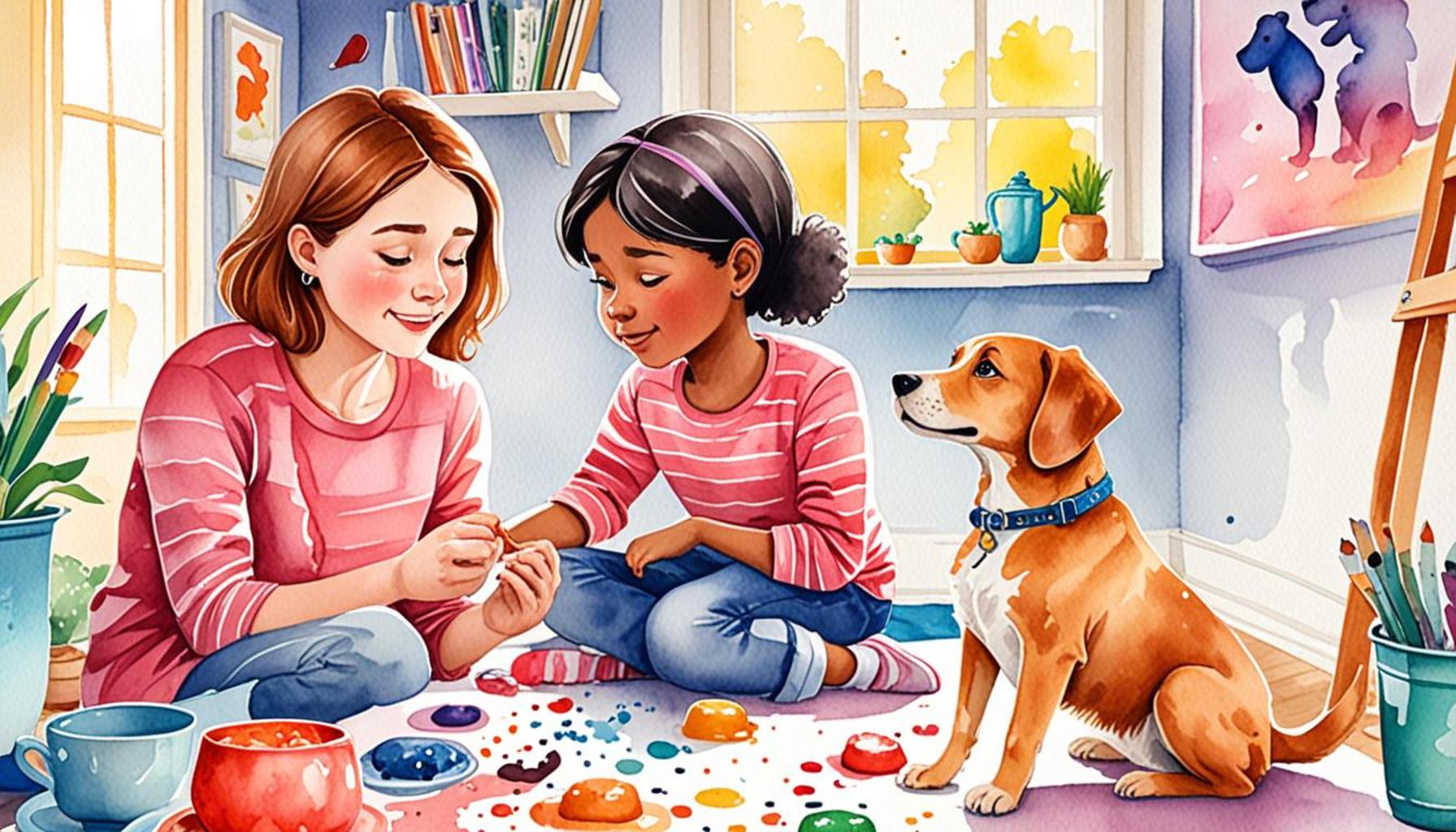
The Unique Bond Between Pets and Children
The relationship between pets and children is a fascinating and multifaceted one. It is a connection forged from love, companionship, and mutual learning, serving as both an enriching experience and a potential source of challenges. This makes it imperative to approach these interactions with methods like behavior training, which fosters understanding and respect among all parties involved.
Behavior training can significantly transform the dynamics of how pets and children engage with one another. By equipping families with the right tools and techniques, the benefits are numerous:
- Building Trust: Regular training sessions can help pets develop a sense of trust towards children as they learn to associate them with positive experiences. For instance, a dog that has been trained to sit calmly while kids play nearby is likely to feel more secure in their presence, paving the way for enjoyable interactions.
- Promoting Respect: Teaching children about their pets’ needs encourages respect for boundaries. Kids who understand that a cat may need quiet time away from noisy play are less likely to provoke unwanted stress or potential aggression. This relationship of mutual respect lays a solid foundation for a peaceful coexistence.
- Enhancing Communication: Behavior training can help both pets and children learn to read each other’s signals more effectively. When children learn to observe signs of a dog’s discomfort, such as a tucked tail or flattened ears, they become adept at responding with empathy, leading to healthier interactions.
Statistics indicate that households with both children and pets often face various behavioral challenges. For example, the American Society for the Prevention of Cruelty to Animals (ASPCA) notes that untrained pets can exhibit signs of anxiety or aggression, especially when overwhelmed by the unpredictable energy of young children. With an effective behavior training program, families can transform potential conflicts into moments of joy and bonding.
In the journey of nurturing this relationship, families can explore numerous practical strategies and insights. These could range from basic commands and trick training to games that foster cooperation and understanding. The role of behavior training is not only about teaching appropriate actions but also about cultivating a safe and enriching environment where pets and children can flourish together.
As you continue to explore the detailed strategies for behavior training, it becomes clear that this is not just about correction; it’s about building a loving and safe relationship that can lead to wonderful memories. Therefore, it is time to embrace the power of behavior training and revel in the joys it can bring to homes across the United States.
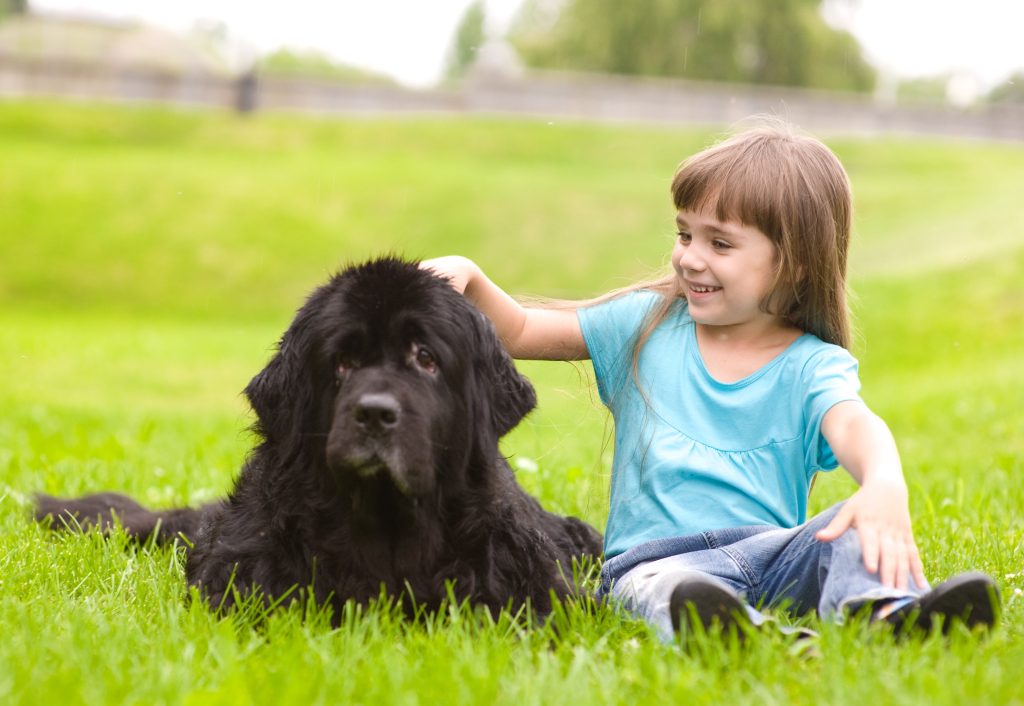
LEARN MORE: Click here to discover effective techniques
Practical Methods for Effective Behavior Training
When it comes to fostering a strong relationship between pets and children, behavior training is an invaluable tool. It not only helps manage behavior but also forms the basis for deeper connections. Several strategies can be implemented to ensure both pets and children benefit from this transformative process.
Creating a Safe Training Environment
To begin, it’s essential to establish a safe environment where training can take place. This involves minimizing distractions to help pets focus and making the training sessions enjoyable for children. For instance, using a quiet area in the home or backyard allows pets to engage with children without feeling overwhelmed. A calm setting encourages pets to relax and absorb training better, leading to effective learning outcomes.
Moreover, utilizing positive reinforcement is a cornerstone of successful behavior training. This approach emphasizes rewarding desired behaviors rather than punishing unwanted ones. Families can implement the following tactics:
- Consistency: Consistent commands and cues help pets understand what is expected of them. Children should be encouraged to use the same language when interacting with their pets so that the latter can build a reliable understanding of their behavior.
- Short Sessions: Keeping training sessions brief (around 5-10 minutes) caters to a child’s attention span while ensuring pets do not become bored or frustrated. Frequent short sessions are more effective than occasional lengthy ones, promoting better retention of learned behaviors.
- Involve Children: Engaging children in the training process not only provides them with hands-on experience but also encourages responsibility and empathy. Children can take turns offering treats or praising the pet when they perform desired actions, fostering a sense of accomplishment for both parties.
Addressing Behavior Challenges Early
Behavior issues often arise when pets feel anxious or threatened, especially in lively households filled with children. According to the American Veterinary Medical Association (AVMA), around 50 percent of pets show signs of anxiety, particularly when they are not adequately socialized or trained. Thus, recognizing these challenges early and integrating behavior training can prevent escalation into more severe issues. Moreover, families can work on desensitizing their pets to various stimuli such as loud noises or sudden movements often found in a home with children.
Employing behavior training can also turn challenging interactions into opportunities for learning. For example, teaching a child how to approach a pet calmly can make a significant difference in how the pet reacts. Classes focusing on pet behavior and how to interact safely are increasingly being offered by various community organizations, making it easier for families to gain access to resources.
Ultimately, behavior training is not solely about enforcing discipline but about nurturing understanding and compassion within the household. This shared journey can lead to enduring bonds, where pets and children learn to communicate effectively and harmoniously with each other.
Enhancing Communication Between Pets and Children
Behavior training fosters a mutual understanding between pets and children, fundamentally enhancing their interactions. For children, learning cues from pets can improve their ability to read emotions and body language. This process encourages empathy and compassion, valuable traits that transcend their relationships with animals into their social interactions.In essence, when children understand when a pet is anxious or excited, they are less likely to engage in actions that could alarm or stress their furry friends. This improved communication leads to a more harmonious relationship, reducing anxiety for both pets and children. Furthermore, children who participate in training tend to develop a sense of responsibility, as they learn how their actions can affect the reactions and feelings of their pets.
Building Trust and Security
Trust forms the foundation of any relationship, and training helps construct this essential bond. Through consistent routines and positive reinforcement, pets learn to rely on children, which creates a safe environment for both parties. Puppies and kittens, especially, benefit from early training, learning to trust their youthful companions while providing joy and companionship throughout their development.Moreover, as pets and children practice commands and tricks together, they strengthen this bond through shared experiences. These collaborative activities not only create a nurturing atmosphere but also contribute to building lasting memories that enrich their relationship over time.
Reducing Behavioral Issues
Behavior training addresses common behavioral problems that can arise in pets, such as aggression or anxiety. With proper training, children are equipped with tools to manage and redirect unwanted behaviors in their pets. For instance, if a pet becomes aggressive during playtime, children learn to recognize the warning signs and take appropriate action, promoting a healthier interaction.This training, plus the emphasis on positive reinforcement, inadvertently teaches children patience and understanding. Observing their pets’ reactions will nurture their ability to search for solutions instead of resorting to frustration. This growth not only enriches their relationship with pets but serves to prepare them for future interactions across various social spectrums.How Behavior Training Can Improve the Relationship between Pets and Children encapsulates profound benefits. By enhancing communication, building trust, and reducing behavioral issues, this training contributes to a joyful and fulfilling companionship that lasts a lifetime. As children grow alongside their pets, the lessons learned through this training transcend their bond and prepare them for other relationships in life.
DISCOVER MORE: Click here to learn how pets can boost children’s confidence
Promoting Empathy and Respect Through Training
In addition to establishing effective communication between pets and children, behavior training plays a crucial role in instilling values of empathy and respect in young minds. Children who participate in training sessions not only learn how to interact properly with their pets, but they also gain insight into the needs and feelings of animals. This newfound understanding can be incredibly beneficial in shaping their emotional intelligence.
The Role of Empathy in Child Development
Research shows that empathy is a vital aspect of child development, instrumental in fostering social skills and moral reasoning. By involving children in behavior training, families can create meaningful opportunities for kids to practice empathy. For instance, when a child learns to recognize when a pet is anxious or uncomfortable, they become more attuned to the feelings of others, which translates into their interactions with peers and siblings. Studies have found that children who care for pets are generally more kind-hearted and considerate toward people, reinforcing the age-old adage that pets teach responsibility.
Engaging in training with their pets allows kids to experience the impact of their actions on another living being. They learn that a kind word, gentle touch, and patience can help a nervous pet feel at ease. This approach not only deepens the bond with their furry friends but also positions children to be more compassionate as they grow.
Behavior Training as a Tool for Socialization
Socialization is paramount in the relationship between pets, children, and other family members. Behavior training encourages pets to exhibit friendly and well-mannered behavior in various social scenarios. As pets comply with desirable conduct, children learn how positive interactions can foster companionship. For instance, when a child witnesses a well-trained dog greet guests calmly rather than jumping up excitedly, they understand the importance of good manners in social situations.
Through regular interactions during training activities, pets and children develop a shared vocabulary that enhances their relationship. A study published in the Journal of Applied Animal Welfare Science indicates that pets who undergo consistent training tend to have fewer behavioral problems, making them more enjoyable companions. This reinforces the idea that well-trained pets not only contribute to a happy home but also provide kids with the confidence to foster relationships beyond the household.
Regular Routine and Predictability
Another way behavior training strengthens the pet-child bond is through establishing a regular routine. Pets thrive on consistency, and having a structured training schedule can significantly ease their anxiety and strengthen their connection with children. Research from the American Society for the Prevention of Cruelty to Animals (ASPCA) highlights that predictable environments lead to well-adjusted pets that behave less aggressively and are more receptive to training.
Families can integrate these routines into daily life, such as morning training sessions or evening playtime, reinforcing the idea that pets are an integral part of the family. This not only benefits the pets but also helps children cultivate a sense of stability and responsibility—skills that will serve them well throughout their lives.
In essence, behavior training is more than a means to curb unwanted actions; it serves as a tool that deepens relationships, enriches emotional development, and cultivates a compassionate, harmonious household where both pets and children thrive together.
DON’T MISS: Click here to learn more about your pet’s diet
Conclusion
In summary, behavior training stands out as a transformative approach to enhancing the relationship between pets and children. Through structured interactions, families can cultivate a nurturing environment that fosters empathy, respect, and responsibility among young minds. Engaging children in training sessions not only equips them with essential skills for positive pet interactions, but it also nurtures their emotional intelligence, shaping them into more compassionate individuals.
Moreover, behavior training facilitates healthy socialization between pets, children, and the broader community. A well-trained pet not only exhibits desirable behaviors but also creates a more harmonious atmosphere that encourages children to develop meaningful relationships and social skills. As children learn the significance of a structured routine through consistent training, they inherently grasp the value of reliability and predictability, essential traits that apply equally in human interactions.
Ultimately, investing time in behavior training paves the way for a fulfilling companionship between pets and children, enriching the family dynamic and laying the foundation for lasting bonds. The benefits extend far beyond mere obedience; they create a lifelong understanding of compassion, respectful interactions, and responsibility that children can carry into their futures. Thus, families seeking to strengthen the connection between their children and pets should prioritize behavior training not only as a necessity but as a unique opportunity for mutual growth.
Related posts:
The Importance of Behavioral Training in Preventing Aggression in Dogs
Positive Reinforcement Strategies to Modify Undesirable Behaviors in Cats
How Stress and Anxiety Affect Pets' Behavior During Training
How Behavioral Training Can Improve the Relationship between Pet Owners and Their Pets
The Importance of Behavioral Training in Preventing Behavior Problems in Pets
Behavior Training Strategies for Aging Pets

Linda Carter is a writer and pet care expert specializing in pet health, grooming, and wellness. With extensive experience helping pet owners create safe, loving, and enriching environments for their animals, Linda shares her knowledge on our platform. Her goal is to empower readers with practical advice and strategies to ensure their pets thrive and lead joyful, healthy lives.