The Influence of Pets on the Recovery from Chronic Diseases

Exploring the Health Benefits of Pet Companionship
In recent years, the role of pets in health recovery has sparked significant interest among researchers and medical professionals alike. The emotional and physical benefits of animal companionship can profoundly impact those facing various chronic diseases. A growing body of research indicates not only that pets can enhance mental wellness, but they also play a crucial role in physical health. This burgeoning field of study is packed with valuable data that entices both individuals and healthcare providers to consider the implications of integrating pets into healing processes.
Studies have shown that having a pet can lead to a variety of positive health outcomes. For example:
- Reduced Stress: Interactions with pets lower cortisol levels—often referred to as the stress hormone—leading to improved mental well-being. A simple act like petting a dog or cat can trigger the release of oxytocin, often dubbed the “love hormone,” which promotes feelings of relaxation and comfort. One study published in the journal *Psychosomatic Medicine* found that individuals with pets had lower physiological stress responses compared to non-pet owners.
- Encouragement for Physical Activity: Dogs require regular walks, encouraging their owners to stay active. This not only contributes to cardiovascular health but also promotes weight management and overall fitness. For instance, a study from the *American Journal of Public Health* highlights that dog owners are 34% more likely to meet their daily exercise requirements compared to non-dog owners.
- Improved Emotional Support: The presence of a pet can alleviate feelings of loneliness and depression. This support is particularly vital for individuals coping with chronic diseases, as social isolation can exacerbate mental health issues. Research conducted at the University of Missouri demonstrated that petting a dog could elevate levels of serotonin and dopamine, neurotransmitters that are linked to feelings of happiness and well-being.
The fascinating connection between animals and health extends beyond mere companionship. As more people recognize this bond, a growing number of healthcare professionals are incorporating pet therapy into recovery plans. This innovative approach creates a synergistic effect that benefits both patients and their furry companions.
Pet Therapy: A Growing Trend
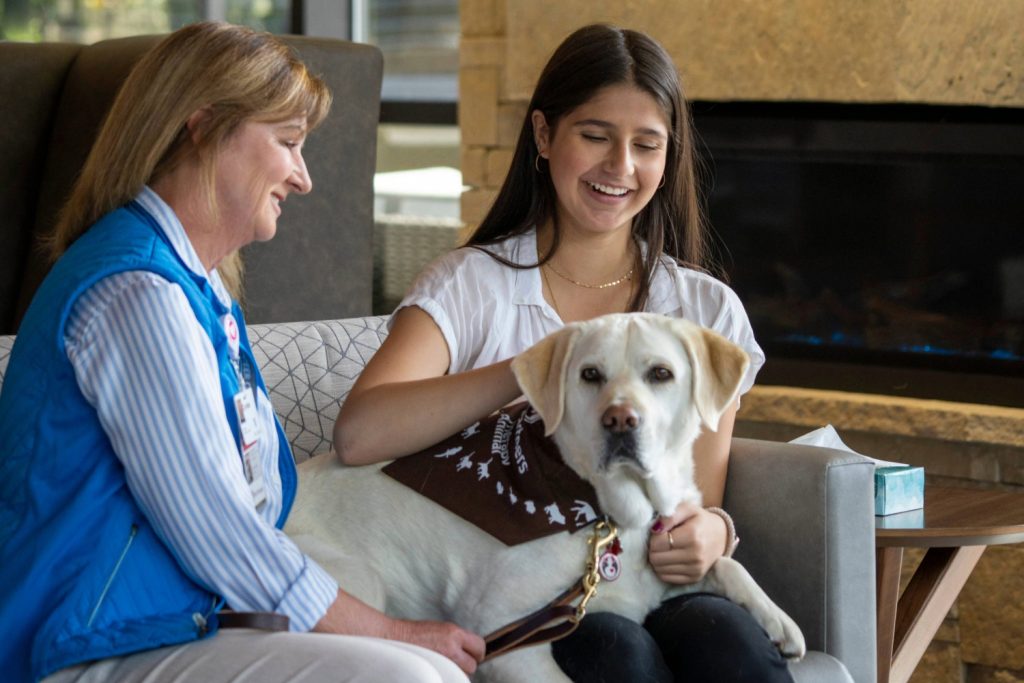
Pet therapy involves the use of trained animals to promote healing and comfort, serving as a valuable adjunct to traditional medical care. Its benefits go beyond emotional support, including:
- Boosting Immune Function: Interaction with pets may enhance immune responses. A study from the *Journal of Allergy and Clinical Immunology* found that children exposed to animals in their early years had lower rates of allergies and asthma, suggesting that pet exposure may fortify immune development.
- Lowering Blood Pressure: Pet owners often experience stabilized blood pressure levels. A study involving elderly participants showed those who owned pets had significantly lower diastolic and systolic blood pressure compared to those without pets. This can lead to decreased risk of heart disease.
- Accelerating Recovery Time: Patients report faster recovery when pets are involved in their treatment processes. For example, hospitals are beginning to recognize the therapeutic value of having therapy animals visit patients, which has been correlated with reduced pain perception and anxiety levels.
This transition in healthcare practices highlights an intriguing aspect of recovery and prompts exploration into how pets can shape our journey through chronic illnesses. As more studies illuminate the benefits, the potential for pets to play a crucial role in health recovery is becoming widely acknowledged, making it an area rich with possibilities for enhancing patient care. The bond between humans and animals is becoming increasingly recognized not just as companionship, but as a critical component of holistic health practices.
DISCOVER MORE: Click here to learn about the importance of socialization for your pets
The Multifaceted Role of Pets in Healing
The connection between humans and their pets is often described as profound and transformative. This deep-seated relationship has garnered the attention of researchers aiming to unravel how pets influence recovery from chronic diseases. The multifaceted role of pets extends not only to emotional support but also to tangible health improvements that can significantly affect the recovery trajectory of patients. As the medical community increasingly acknowledges this bond, understanding its various dimensions becomes crucial.
One of the most remarkable aspects of pet ownership is its potential to enhance mental health. A study conducted by the *Human-Animal Bond Research Institute* revealed that 74% of pet owners reported improvements in their mental health due to their animals. This is particularly significant for people suffering from chronic conditions like diabetes, heart disease, or depression, where the mental strain can exacerbate physical symptoms. Pets provide a sense of companionship that can offset feelings of isolation and hopelessness, frequently experienced by those grappling with long-term health issues.
The impact of pets on physical health cannot be overlooked either. Engaging with pets—whether it’s playing fetch with a dog or simply cuddling with a cat—can induce physiological responses that contribute to overall well-being. Here are some tangible benefits supported by research:
- Cardiovascular Health: Studies indicate that pet ownership is correlated with lower cholesterol levels and reduced heart disease risk. A landmark study from the *American Heart Association* found that individuals who own pets, particularly dogs, have healthier hearts and lower blood pressure, highlighting the potential for pets to serve as a proactive factor in cardiac care.
- Emotional Regulation: The presence of pets can buffer against the emotional upheaval often accompanying chronic illness. Research from the *Journal of Clinical Psychology* shows that engaging with pets can help patients manage anxiety, promoting resilience and stability during treatment periods.
- Social Interaction: Pets often facilitate social interactions that can be beneficial for those suffering from chronic illnesses. Whether in a park or through pet training classes, pet owners frequently find it easier to connect with others, thus lessening the social isolation that is a common consequence of chronic diseases.
The evidence suggesting that pets can aid recovery from chronic diseases aligns with a trend toward more holistic approaches in healthcare. Hospitals and rehabilitation centers are recognizing the value of including pets in therapeutic practices, echoing a sentiment that has been present in numerous cultures for centuries. As healthcare systems evolve, there is a promising outlook for integrating pet therapy into recovery frameworks, enhancing the quality of care for patients.
In revisiting traditional methodologies for patient healing, the question arises: how can we effectively incorporate our furry friends into comprehensive recovery plans? As this inquiry continues, the confluence of veterinary science and medical research holds empirical promise for future explorations into the healing power of pet companionship, particularly in the context of chronic disease management.
| Category | Advantages |
|---|---|
| Emotional Support | Pets provide unconditional love, which can drastically improve emotional well-being, helping individuals cope with chronic illnesses. |
| Physical Activity | Owning a pet encourages regular exercise, such as walking or playing, which is beneficial for physical rehabilitation. |
| Social Interaction | Pets can act as a social bridge, prompting community contact and improving social skills, crucial for recovery. |
| Stress Reduction | Interacting with pets results in lower cortisol levels and higher serotonin levels, which aids in stress management. |
| Routine and Responsibility | Caring for a pet establishes a structured daily routine, which can be therapeutic for those dealing with illness. |
The correlation between pets and recovery from chronic diseases reveals profound implications for both emotional and physical health. Engaging with pets not only fosters emotional support but also invites a range of activities that challenge the body and enhance recovery. Findings show that individuals with pets often report improved mood and lowered levels of anxiety—key barriers in the recovery journey. Moreover, pets often serve as social catalysts, enabling owners to connect with others in their community, thus combating isolation associated with chronic conditions. Research indicates that the simple act of petting an animal can lead to a decrease in stress levels, promoting overall well-being. These dynamics highlight the crucial role pets play in therapeutic settings and suggest an exploration into pet-assisted therapies as a complementary approach to conventional medical treatment.
DISCOVER MORE: Click here to learn about how diet impacts your pet’s lifespan
Enhancing Quality of Life Through Animal Companionship
The therapeutic effects of pets extend beyond emotional support and physical health benefits; they also play a crucial role in enhancing the overall quality of life for individuals recovering from chronic diseases. This aspect of pet ownership is particularly salient as patients navigate complex recovery paths, often fraught with stress and uncertainty.
One significant yet frequently overlooked benefit is the role pets play in encouraging routine and responsibility. For individuals battling chronic illnesses, stability in daily life can be crucial. The routine of feeding, walking, and caring for a pet instills a sense of purpose, which can be empowering for patients feeling a loss of control over their health. Research from the *PLOS ONE Journal* revealed that individuals with chronic conditions who owned pets were more likely to maintain structured daily routines, which in turn positively impacted their treatment adherence and health outcomes.
Furthermore, pets can also facilitate a form of non-verbal communication that transcends spoken language, providing comfort to patients who may struggle to articulate their feelings. This is particularly relevant for individuals dealing with anxiety and depression accompanying chronic conditions. The mere act of petting or cuddling an animal can evoke feelings of safety and calm, often leading to reduced agitation and a more positive mindset. For example, therapy dogs are increasingly used in various healthcare settings, proving effective in reducing anxiety in patients facing surgical procedures or those undergoing pain management treatments.
The societal perception of pets is evolving, leading to a growing acknowledgment of their role in health recovery pathways. Hospitals and rehabilitation centers across the U.S. are beginning to incorporate animal-assisted therapy (AAT) as part of patient care plans. According to the *American Hospital Association*, facilities that offer AAT have noted improved patient outcomes, including shorter hospital stays and faster recovery times. There is a particularly promising trend in using therapy animals for children suffering from long-term illnesses; these children often exhibit lower stress levels when they are allowed to interact with therapy dogs during treatment.
Additionally, the emotional bond formed with pets can trigger physiological changes beneficial for recovery. Studies from the *International Journal of Environmental Research and Public Health* indicate that interactions with pets can lead to a decrease in the levels of cortisol, the body’s primary stress hormone, while simultaneously boosting the production of feel-good neurotransmitters such as serotonin and oxytocin. This biological response not only aids in emotional regulation but can also improve immune system function, a critical component for individuals with chronic ailments who may be more susceptible to illness.
The cultural significance of pet ownership in the United States, from the booming market for pet care to the increasing presence of pets in family dynamics, further emphasizes the importance of animals in the recovery paradigm. Initiatives like *Take Your Dog to Work Day* and pet-friendly spaces signal a shift towards recognizing pet companionship as an integral part of daily life, thus enhancing emotional well-being. Understanding these dynamics can lead medical practitioners to champion more holistic approaches in treating chronic illnesses, inviting pets into the conversation as healers in their own right.
DIVE DEEPER: Click here to learn more
Conclusion: The Companionship of Pets as a Healing Force
As we delve deeper into the influence of pets on the recovery from chronic diseases, the evidence increasingly highlights their multifaceted role in promoting both physical and emotional healing. From providing essential emotional support during challenging times to fostering a sense of responsibility and routine, pets have transcended their roles as mere companions to become active participants in the recovery journey.
The integration of animal-assisted therapy in medical settings reaffirms the positive impact pets have on health outcomes, underscoring their ability to enhance patient experiences in hospitals and rehabilitation centers. Encouraging structured daily routines and reducing levels of stress hormones, animals have proven to be crucial allies for individuals combating chronic illnesses. The joy and comfort pets provide are not merely anecdotal; rigorous studies confirm their ability to enhance quality of life, improve emotional regulation, and even bolster immune responses.
Given the growing acceptance of pets as integral components of holistic healthcare, there exists a profound opportunity for healthcare practitioners to embrace this shift in treatment paradigms. By advocating for the inclusion of pets in recovery plans, we acknowledge their therapeutic potential while addressing the complex emotional landscapes faced by chronic disease patients.
In conclusion, the undeniable bond between humans and their pets not only enriches lives but also enhances recovery processes. As we continue to unravel the benefits of this relationship, it becomes increasingly evident that fostering companionship with pets may indeed be a vital pillar in healing chronic ailments and improving overall well-being. Further research in this vibrant field will undoubtedly illuminate new pathways, inviting both patients and healthcare providers to explore the healing power our furry friends possess.
Related posts:
The Role of Pets in Promoting Healthy Lifestyles in Families
The Role of Pets in Promoting Outdoor Physical Activities for Their Owners
The Effects of Pet Presence on the Cardiovascular Health of Owners
How Animal-Assisted Therapy Can Improve the Emotional Well-Being of Patients
How Living with Pets Can Help Treat Anxiety Disorders in Children
The Importance of Regular Exercise for the Mental Health of Dogs and Their Owners

Linda Carter is a writer and pet care expert specializing in pet health, grooming, and wellness. With extensive experience helping pet owners create safe, loving, and enriching environments for their animals, Linda shares her knowledge on our platform. Her goal is to empower readers with practical advice and strategies to ensure their pets thrive and lead joyful, healthy lives.