The Importance of Animal-Assisted Therapy in Mental Health
The Growing Role of Animal-Assisted Therapy in Mental Health
Over the past few years, the relationship between animal-assisted therapy (AAT) and mental health has garnered widespread attention and research focus. This therapeutic approach utilizes the innate bond between humans and animals to foster emotional and psychological healing. With the rising prevalence of mental health conditions such as depression, anxiety, and PTSD, many individuals and practitioners are turning to AAT as a viable complement to traditional therapies. Understanding the mechanisms and benefits of AAT can empower those seeking alternative therapies to enhance their quality of life.
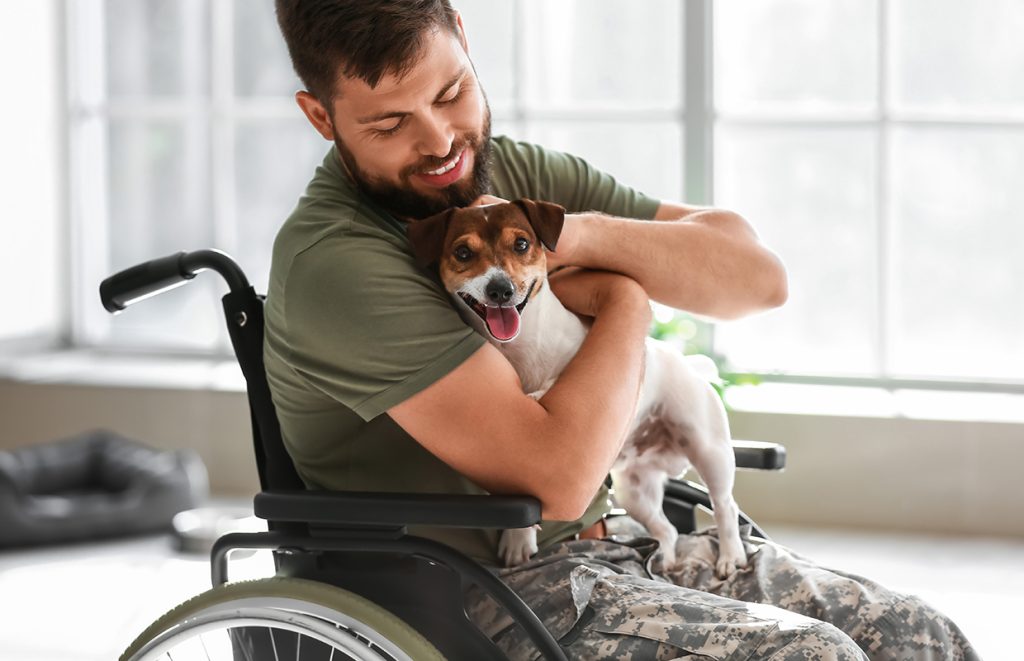
One of the most compelling benefits of animal-assisted therapy is its potential for reduction of anxiety. Numerous studies indicate that interacting with therapy animals can lead to a significant decrease in cortisol levels, the hormone commonly associated with stress. For instance, therapy dogs have been shown to help veterans cope with anxiety and stress by providing comfort and companionship, facilitating a sense of safety that might be absent in their daily environments.
Another notable advantage of AAT is improved social skills. For individuals on the autism spectrum or those who struggle with social interactions, therapy animals can serve as a bridge. For example, children with autism often find it easier to communicate when they are in the presence of a calm, friendly dog, as these animals serve as non-judgmental companions that help ease social anxiety, making it easier to engage with others.
AAT also plays a significant role in enhancing mood. The simple act of petting or playing with an animal releases endorphins, elevating one’s mood. This is particularly beneficial for individuals suffering from depression, where conventional methods may not yield satisfactory results. AAT creates joyful interactions that can reduce feelings of loneliness and despair. For example, facilities such as nursing homes and hospitals have implemented AAT sessions, allowing patients to forge emotional connections that uplift their spirits during challenging times.
Various animal types contribute to the effectiveness of AAT. Dogs are undoubtedly the most recognized therapy animals due to their loyalty and ability to bond deeply with humans. Programs across the United States, from schools to hospitals, utilize trained therapy dogs to provide comfort and support. However, cats also play a vital role; their gentle purring and playful nature can create a soothing atmosphere for those needing emotional support. Furthermore, horses are employed in equine therapy, where participants engage with these majestic animals to cultivate emotional awareness and personal growth, leveraging horses’ sensitivity to human emotions and nonverbal cues.
AAT has found a home in various clinical settings, including hospitals, addiction recovery centers, and mental health clinics. This increasing acceptance is backed by a growing body of research highlighting measurable improvements in mental health outcomes. For example, studies published in journals like the *Journal of Mental Health* have shown that patients who participated in AAT reported decreased symptoms of anxiety and depression and improved overall well-being. As mental health continues to receive critical attention, understanding and exploring the multifaceted dimensions of animal-assisted therapy becomes more important for patients and practitioners alike.
As we delve deeper into this subject, it is essential to acknowledge both the emotional and scientific aspects of animal-assisted therapy, uncovering the profound impact it holds for those seeking healing in today’s fast-paced world. AAT not only enriches the lives of individuals but also strengthens the bond between humans and animals, showcasing the healing potential found in this unique therapeutic alliance.
DISCOVER MORE: Click here to learn how training can strengthen your bond with your pet</
The Transformative Benefits of Animal-Assisted Therapy
Animal-assisted therapy (AAT) serves as a bridge between the therapeutic process and the emotional landscape of individuals grappling with mental health challenges. It has emerged as an innovative approach that complements traditional methods, offering unique benefits that resonate with many individuals. Understanding these advantages can shed light on the growing acceptance and integration of AAT into mainstream mental health practices.
One area where AAT shines is in its ability to foster emotional regulation. The presence of a therapy animal encourages individuals to express and process their emotions in a safe environment. The non-judgmental nature of animals provides a space where individuals can be vulnerable without fear of stigma. For many, this leads to breakthroughs in therapy sessions, as they can articulate feelings and experiences that might be challenging to express with a human therapist alone.
Additionally, AAT plays a crucial role in building trust among patients. Establishing a rapport with a therapy animal often translates into improved relationships with therapists and caregivers. For those who have experienced trauma or betrayal, the unconditional love and acceptance from animals can pave the way towards opening up and forming meaningful connections with humans once more. Studies indicate that patients who engage in AAT often report feeling more relaxed, which significantly enhances their responsiveness to traditional therapeutic techniques.
- Development of Empathy: Interacting with animals can cultivate a sense of empathy, allowing individuals to connect deeply with others.
- Enhancement of Coping Skills: Animals help individuals learn resilience by providing comfort during stressful situations.
- Motivation for Physical Activity: Many therapy programs incorporate the need for physical interaction, motivating patients to engage in exercise, which is beneficial for overall mental health.
Moreover, the therapeutic interaction with animals can trigger memory recall and stimulate cognitive functioning. For individuals suffering from conditions such as Alzheimer’s disease or dementia, AAT has proven effective in rekindling connections to past memories and experiences. The joy and comfort that therapy animals provide can prompt conversations, stimulate reminiscences, and encourage cognitive engagement that is often lost in the continuum of these progressive illnesses.
Importantly, the implementation of AAT varies across different settings, including schools, rehabilitation centers, and hospices. Research indicates that these diverse environments adapt AAT to meet specific needs, reinforcing its versatility as a treatment option. For example, in schools, therapy animals have been introduced to assist children dealing with bullying, learning disabilities, and emotional distress, creating a more supportive atmosphere conducive to learning and growth.
In light of these compelling insights, it becomes evident that animal-assisted therapy is not merely a trend but a vital component of modern mental health care. As we continue to explore the multifaceted nature of AAT, it is crucial to recognize its potential to transform lives. The partnership forged between humans and animals stands as a testament to the healing power inherent in this unique therapeutic approach.
The Role of Animals in Therapy
Animal-Assisted Therapy (AAT) leverages the bond between humans and animals to support the mental health journey. The presence of therapy animals can reduce anxiety, foster emotional support, and promote social interaction. These animals, especially dogs and cats, offer unconditional love and companionship that can be remarkably healing. Their ability to sense human emotions often makes them perfect partners in therapy sessions.
Scientific Backing
Research shows that AAT can significantly enhance traditional therapy modalities. Studies indicate that patients involved in AAT experience lower cortisol levels, which is the hormone related to stress, while simultaneously experiencing an increase in dopamine and oxytocin – neurotransmitters associated with happiness and bonding. This physiological response showcases the power of animal companionship in alleviating the symptoms of mental health disorders such as depression and PTSD.
Accessibility of AAT
One of the most intriguing aspects of AAT is its accessibility. Unlike some therapeutic approaches that may require extensive resources or qualifications, AAT can be integrated into various environments, including hospitals, schools, and nursing homes. This flexibility allows more individuals to benefit from the positive impact of animal interaction on mental health.
Types of Animals Used in Therapy
AAT is not limited to just dogs; various animals such as rabbits, horses, and birds can also serve as therapy companions. The choice of animal often depends on the specific needs of the individual and the therapeutic goals. Equine therapy, for instance, has been shown to greatly improve emotional regulation and cognitive functioning, offering unique benefits that may not be achievable through traditional methods.
Personal Stories and Case Studies
Numerous personal stories and case studies reveal transformative experiences attributed to AAT. Individuals with anxiety disorders have reported increased confidence and reduced feelings of isolation after interactions with therapy animals. Moreover, children with autism spectrum disorder (ASD) often find it easier to express themselves in the presence of a supportive animal, underscoring the significant role animals can play in enhancing communication and connection.
| Advantage | Description |
|---|---|
| Enhanced Emotional Well-being | Animals provide unconditional love helping to alleviate feelings of loneliness and depression. |
| Social Skill Development | Interactions with therapy animals can promote social engagement and improve communication skills. |
The growing field of animal-assisted therapy is a testament to the powerful bond between humans and animals. Continued exploration of this approach could unlock even more possibilities for enhancing mental health treatment.
DISCOVER MORE: Click here for insights on natural feeding for pets
Strengthening Resilience and Social Bonds
Beyond the direct therapeutic benefits, animal-assisted therapy (AAT) serves as a powerful catalyst for strengthening resilience in individuals facing mental health challenges. Research has shown that the relationship between humans and animals can trigger physiological responses that reduce stress. The simple act of petting a therapy animal can lower cortisol levels — a hormone linked to stress — while simultaneously increasing levels of serotonin and dopamine, neurotransmitters associated with feelings of well-being. This biological interplay not only fosters a state of calm but also serves as a foundation for building coping strategies that empower individuals to navigate their mental health journeys more effectively.
Another significant advantage of AAT is its ability to enhance social interactions. For individuals struggling with social anxiety, depression, or autism spectrum disorders, therapy animals act as a bridge that facilitates social connection. By providing opportunities for shared experiences, these animals can help break down barriers that prevent meaningful interactions. For instance, many therapy programs encourage group activities where individuals come together to care for and interact with animals, fostering a sense of community and belonging. This communal approach resonates particularly well in rehabilitation settings, where individuals may feel isolated due to their circumstances.
According to a 2020 study conducted by the Human-Animal Bond Research Institute, approximately 74% of participants reported a decrease in feelings of isolation after participating in AAT programs. This statistic underscores the critical role of therapy animals in combating loneliness, an often-overlooked aspect of mental health. By countering feelings of isolation, AAT not only uplifts spirits but also lays the groundwork for stronger interpersonal relationships and social networks, vital for sustained mental health improvement.
- Improved Communication Skills: Engaging with therapy animals can enhance verbal and non-verbal communication among individuals, particularly children, who may struggle with expressing their feelings.
- Support in Crisis Situations: In moments of acute distress, animals can offer immediate comfort, providing a sense of safety that can mitigate panic and anxiety during critical episodes.
- Enhanced Motivation and Participation: The presence of an animal can increase engagement in therapeutic activities, motivating individuals to participate more fully in their treatment plans.
Additionally, the effects of AAT extend beyond individual therapy sessions and into broader society. In workplace environments, incorporating therapy animals has been shown to relieve stress levels among employees and enhance team cohesion. Companies such as Google and Amazon have started recognizing the positive impact of therapy animals, facilitating a more balanced work-life dynamic that fosters mental well-being among employees. AAT in the workplace signifies a shift toward proactive mental health strategies that prioritize employee happiness and productivity.
Moreover, training programs for therapy animals ensure that they are equipped to handle a variety of situations, thus enhancing their effectiveness as mental health allies. Organizations like pet therapy programs and shelters are increasingly collaborating to create standardized training approaches to ensure that therapy animals meet specific protocols. This collaborative effort not only ensures safety and reliability but also enhances the therapeutic experience for individuals during their interactions.
As the awareness surrounding mental health continues to grow, the integration of AAT is positioned to play an even larger role in treatment plans. Individuals, therapists, and communities alike stand to benefit from harnessing the unique bond between humans and animals. Whether addressing mental health issues in schools, hospitals, or workplaces, AAT is proving to be a multifaceted approach capable of creating profound and lasting impacts on overall well-being.
DISCOVER MORE: Click here to learn about the benefits of socialization for your pets
Conclusion
In conclusion, the significance of animal-assisted therapy (AAT) in mental health cannot be overstated. This innovative therapeutic approach not only enhances emotional and psychological well-being but also addresses social isolation and fortifies coping mechanisms for individuals facing mental health challenges. The profound connections formed between humans and therapy animals can catalyze transformative changes, eliciting physiological benefits such as reduced stress and increased happiness through the release of essential neurotransmitters.
The overwhelming evidence gathered from recent studies underscores AAT’s effectiveness in improving communication skills, providing comfort in crisis situations, and fostering a sense of community and belonging among participants. Moreover, the role of therapy animals is now expanding into workplaces, showcasing how AAT can enhance employee well-being, productivity, and overall workplace morale.
As awareness regarding mental health issues continues to evolve, integrating AAT into treatment plans offers a promising, holistic approach that is both enriching and empowering for individuals, families, and communities. It highlights a critical shift towards acceptance of alternative therapies in mental health care, paving the way for more inclusive, compassionate health solutions.
Future research and collaboration among therapists, organizations, and animal training programs will only strengthen the foundations of AAT as a vital tool in mental health treatment. By recognizing and harnessing the unique bond between humans and animals, society stands to gain immensely and promote a more supportive environment for mental wellness.
Related posts:
The Role of Pets in Promoting Healthy Habits in Families
The Influence of Pets' Presence on Patient Recovery in Hospital Environments
How Pets' Presence Can Increase Socialization and Human Connections
The Role of Pets in Promoting Healthy Lifestyles in Families
How Interaction with Pets Can Increase Self-esteem and Confidence in Children
The Influence of Pets on the Recovery from Chronic Diseases

Linda Carter is a writer and pet care expert specializing in pet health, grooming, and wellness. With extensive experience helping pet owners create safe, loving, and enriching environments for their animals, Linda shares her knowledge on our platform. Her goal is to empower readers with practical advice and strategies to ensure their pets thrive and lead joyful, healthy lives.