Homemade Food for Dogs and Cats: Benefits and Risks
The Rise of Homemade Pet Food
In recent years, many pet owners have turned to homemade food for dogs and cats as a way to ensure their furry companions receive nutritious meals tailored to their specific needs. This trend reflects an increasing awareness of pet health and wellness among enthusiasts who want the best for their pets. Not only does this movement speak to a desire for healthier eating, but it also highlights the changing perceptions around commercial pet food.
Benefits of Homemade Pet Food
- Control over ingredients and quality: One of the primary motivations behind preparing homemade pet food is the ability to select high-quality ingredients. Pet owners can choose fresh meats, organic vegetables, and whole grains, ensuring that their pets consume wholesome meals free of additives and preservatives often found in commercial products.
- Customization based on dietary needs: Every pet is unique, with individual dietary requirements that might not be met by off-the-shelf products. Homemade pet food allows owners to tailor recipes to their pets’ specific needs, such as age, weight, activity level, and health conditions. For instance, a senior dog may benefit from meals with joint-supporting supplements, while a playful kitten might thrive on protein-rich recipes.
- Addressing food allergies or sensitivities: Many pets suffer from food allergies or intolerances that can lead to discomfort and health issues. By preparing meals at home, pet owners can easily avoid allergens, whether it’s chicken, grains, or certain artificial additives. This level of control can lead to a happier, healthier pet.
Risks of Homemade Pet Food
- Potential nutritional imbalances: Nutritional imbalances can arise if homemade pet food is not crafted with care. Unlike commercial pet foods that are formulated by nutritionists, homemade diets can easily lack essential vitamins and minerals, putting pets at risk of deficiencies over time. It’s crucial for pet owners to consult a veterinarian or a pet nutritionist to ensure that their homemade recipes meet the appropriate dietary standards.
- Dangers of raw food diets: Some caregivers advocate for raw food diets, believing they mimic natural feeding behaviors. However, raw diets can pose health risks, including the potential for bacterial infections or foodborne illnesses, both for pets and humans. Proper food handling and hygiene are vital, and cooking can mitigate many of these concerns.
- Time-consuming to prepare: Preparing homemade meals can be a time-intensive endeavor. Planning, shopping for ingredients, and cooking meals can be overwhelming for busy pet owners. The commitment to meticulously crafting balanced meals may not fit everyone’s lifestyle, leading to more convenient but potentially less healthy choices.
As pet owners look for healthier alternatives to store-bought kibble, it is essential to weigh these pros and cons carefully. Diving deeper into the science of pet nutrition can empower you to make informed decisions about what’s on your pet’s plate. This exploration requires careful research, so reading books on animal nutrition or consulting with pet diet specialists can provide insights into formulating balanced diets.
In this article, we’ll explore the nuances of homemade pet food, providing insights that can help you evaluate whether this option is right for your beloved dog or cat. By considering both the benefits and the risks, you can make a thoughtful choice that aligns with the health and happiness of your furry companions.
DISCOVER MORE: Click here to learn about probiotics in pet nutrition
Understanding the Appeal of Homemade Pet Cuisine
The growing trend of making homemade food for dogs and cats is no mere fad; it stems from a fundamental desire among pet owners to provide healthy, tailored diets for their beloved animals. With the rise of pet nutrition awareness, many guardians are increasingly wary of the ingredients in commercial pet foods—often laden with fillers and artificial additives. Instead of compromising, they are opting for home-cooked meals that they know are safe and nourishing, aligning with the health-centric movement that champions whole foods.
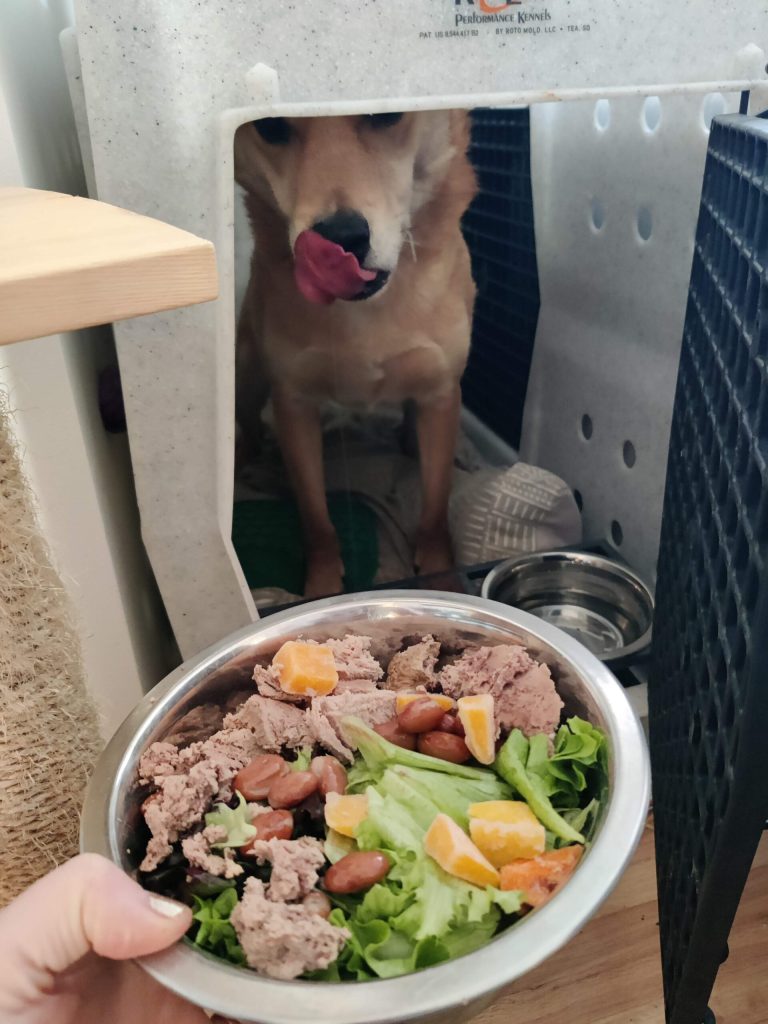
One of the most enticing aspects of homemade pet food is the ability to not only control the ingredients but also delve into the preparation process. For many, cooking for their pets is akin to preparing a meal for a family member, creating a bond that goes beyond traditional feeding. This personalization allows pet owners to cater to specific tastes and dietary constraints, ensuring pets receive meals they enjoy, while also meeting their nutritional needs.
Commitment to Nutritional Excellence
When crafting homemade meals for dogs and cats, pet parents have the incredible opportunity to curate a balanced diet rich in the nutrients needed for optimal health. Some of the key benefits that come from this commitment include:
- Freshness: Homemade meals often feature fresh ingredients that are free of preservatives. This not only enhances flavor but also ensures that pets consume a diet abundant in vitamins and minerals.
- Transparency: Scanning the ingredient list of a bag of commercial pet food can be daunting. Preparing meals at home removes the uncertainty, allowing pet owners to know exactly what is being served—no hidden ingredients or vague terminology.
- Enhanced bonding: The act of cooking and feeding a pet can deepen the bond between owner and animal, creating a shared experience that goes beyond meal times.
Personalized Precautions for Every Pet
Another significant advantage of homemade pet food is the ability to customize recipes to address unique dietary requirements. Pets with specific health needs, whether due to allergies, sensitivities, or chronic conditions, can benefit immensely from a specially crafted diet. For instance, grain-free recipes may be advantageous for cats or dogs with grain allergies. Higher fiber content might be necessary for pets prone to obesity, which makes the customization factor of homemade meals invaluable.
However, as we dive into the realm of homemade pet food, it’s critical to approach the concept with a balance of enthusiasm and caution. While the benefits are immense, the risks cannot be overlooked. In the following section, we’ll explore the potential challenges that may arise from feeding pets homemade meals, offering insights that can help ensure your culinary efforts are both safe and nutritious.
| Advantages | Details |
|---|---|
| Custom Nutrition | You can tailor recipes to meet specific dietary needs or preferences, ensuring high-quality ingredients. |
| Fresh Ingredients | Using fresh, natural ingredients can lead to improved health outcomes for your pets. |
| Bonding Experience | Preparing food at home can strengthen the bond between you and your pets, creating a more enjoyable routine. |
| Cost-Effective | In some cases, homemade meals can be more affordable compared to commercial pet foods. |
Understanding the benefits of making homemade food for your pets is paramount, but it is equally important to be aware of the potential risks involved. Balancing these factors will help ensure your furry companions remain healthy and happy. Proceeding with caution, and perhaps consulting a professional veterinarian or pet nutritionist, can provide valuable insights into the best practices for preparing and maintaining a proper homemade diet for your pups and kitties.
LEARN MORE: Click here to find out how nutrition affects your pet’s behavior
Evaluating the Risks Associated with Homemade Pet Diets
While the allure of homemade food for dogs and cats is undoubtedly strong, it is essential to tread carefully. The concept of preparing home-cooked meals for pets can be clouded by the potential risks involved in DIY pet nutrition. Without proper knowledge and guidance, pet owners may inadvertently compromise their furry friend’s health.
Nutritional Balance: A Key Challenge
One of the primary concerns surrounding homemade pet food is the danger of nutritional imbalance. Many pet owners may not realize that formulating a complete and balanced diet is more challenging than it seems. Unlike humans, pets have very specific nutritional requirements that need to be met to maintain their overall health. For instance, dogs require amino acids, fatty acids, vitamins, and minerals in precise proportions. Cats, being obligate carnivores, have even stricter requirements, such as the need for taurine, which they cannot synthesize on their own.
Failing to provide adequate amounts of crucial nutrients can lead to serious health issues over time. For example, a deficiency in calcium can result in skeletal problems, while excessive vitamin A can cause toxicity, leading to symptoms ranging from lethargy to more severe organ damage. To counteract this risk, pet owners should consult with a veterinarian or a pet nutritionist when transitioning their pets to homemade diets.
Common Ingredient Pitfalls
Another significant risk factor lies in the selection of ingredients. While the ingredients in homemade pet food can be fresher, they can also be harmful. Certain human foods are toxic to dogs and cats, and pet parents must exercise great caution in their cooking endeavors. Foods like onions, garlic, chocolate, grapes, and raisins can lead to illness, ranging from gastrointestinal distress to life-threatening conditions.
Additionally, misleading beliefs about what constitutes a safe or nutritious ingredient can further complicate matters. For instance, while some might think a diet high in carbohydrates is suitable for pets, it could actually lead to obesity and other metabolic disorders. As the understanding of pet nutrition evolves, keeping up with up-to-date information is vital.
Time and Resource Investment
The commitment to making homemade meals for pets goes beyond just culinary knowledge; it also demands significant time and effort. Preparing balanced meals requires not only cooking skills but also resourcefulness in sourcing high-quality ingredients. Some pet owners may find the time commitment overwhelming, leading to inconsistencies in their pets’ diets. Inadequate preparation or poorly balanced meals can result in pets experiencing adverse health effects, which may turn counterproductive to the original intention.
Moreover, the financial implication of regularly sourcing fresh, high-quality ingredients may pose a challenge. While homemade pet food can potentially save money in the long run, especially for owners of multiple pets, the initial costs of switching from commercial dry or canned food can be a shock. For instance, the cost of grass-fed meats or organic vegetables can add up quickly, necessitating careful budgeting on the part of pet owners.
In summary, while the idea of providing homemade meals for dogs and cats is appealing and offers numerous benefits, it is vital that pet owners navigate the potential risks with care and consideration. Understanding the nutritional requirements, avoiding toxic ingredients, and committing the necessary time and resources are critical elements that must be taken into account to ensure a safe and healthy homemade diet for pets.
LEARN MORE: Click here for essential tips
In-Depth Reflection on Homemade Pet Nutrition
As pet owners increasingly explore the realm of homemade food for dogs and cats, it is crucial to weigh both the enticing benefits and the potential risks involved. The shift towards home-cooked meals can foster a deeper bond between pets and their owners, often translating into healthier, happier animals when done correctly. Fresh, high-quality ingredients offer enhanced flavor and nutritional values, serving to nurture pets in ways that store-bought options may not. However, the delicate balance of providing complete and adequate nutrition cannot be overlooked.
The pathway to creating a nutritious homemade diet is fraught with challenges. Pet owners must remain vigilant about the specific dietary requirements of their pets while diligently avoiding harmful ingredients. Additionally, investing the necessary time and financial resources is paramount to achieve success. With extensive information available regarding nutritional needs and safe ingredient choices, pet parents must be proactive and informed, seeking guidance from veterinarians or pet nutritionists when needed.
In conclusion, transitioning to homemade pet food presents an opportunity to enrich the lives of dogs and cats, enhancing their well-being immensely. Yet, this journey demands a commitment to education and awareness. By effectively navigating the risks, pet owners can become empowered to provide their beloved companions with wholesome, delicious meals that not only meet their dietary needs but also reflect the abundant love they have for them. Ultimately, the commitment to making informed choices will lead to a thriving pet and a gratifying experience for every devoted pet parent.
Related posts:
Tips for Creating Nutritious Homemade Meals for Dogs and Cats
The Role of Probiotics in Pet Nutrition
Nutritional Supplements: When and How to Use Them in Your Pet's Diet
The Benefits of Wet Food for Dogs and Cats
The Importance of a Balanced Diet for Pet Health
Natural Foods vs. Commercial Feed: What is Better for Your Pet?

Linda Carter is a writer and pet care expert specializing in pet health, grooming, and wellness. With extensive experience helping pet owners create safe, loving, and enriching environments for their animals, Linda shares her knowledge on our platform. Her goal is to empower readers with practical advice and strategies to ensure their pets thrive and lead joyful, healthy lives.