Healthy Nutrition for Pets: How Balanced Diets Contribute to Overall Well-Being
The Importance of Healthy Pet Nutrition
Your pet’s health begins with what goes into their bowl. In today’s world, healthy nutrition for pets is more than just a trend; it’s a foundational aspect of their overall well-being. A balanced diet not only fuels their energy but also plays a critical role in preventing a myriad of health problems.
Key Benefits of a Balanced Diet
Consider these key benefits of a healthy and balanced diet for your furry friends:
- Improved immune function: Nutrient-rich foods help stave off diseases. For instance, a diet rich in antioxidants, like blueberries and carrots, can enhance your pet’s immune system, making them less susceptible to illnesses.
- Healthy weight maintenance: Proper nutrition aids in controlling your pet’s weight. Feeding pets a diet that is appropriate to their size and activity level is essential to prevent obesity-related health issues such as diabetes and joint problems.
- Better dental health: Certain diets, such as those with larger kibble sizes or dental chews, help reduce plaque and maintain good oral hygiene. Maintaining dental health can prevent bad breath and more serious conditions like periodontal disease.
Selecting the Right Pet Food
As responsible pet owners, it’s essential to recognize that not all pet foods are created equal. Choosing the right blend of proteins, fats, vitamins, and minerals is crucial for your pet’s health. This means examining ingredient lists carefully and opting for products that prioritize high-quality nutrients.
- High-quality proteins: Look for protein sources such as chicken, turkey, or fish listed as the first ingredient. These proteins provide essential amino acids that are vital for muscle development and energy.
- Healthy fats: Omega-3 fatty acids from sources like fish oil or flaxseed are important for skin and coat wellness. A healthy coat not only looks good but also acts as a barrier against environmental irritants.
- Fiber-rich carbohydrates: Ingredients like sweet potatoes or brown rice are excellent for digestion. They promote a healthy gut and can prevent issues like diarrhea and constipation.
Nutrition Throughout Your Pet’s Life Stages
In this discussion, we will dive deeper into the specifics of how a nutritious diet positively influences your pet’s life at every stage, from the energetic antics of puppies to the more sedentary lifestyle of senior animals. Young pets often require a diet rich in proteins and fats to support their rapid growth, whereas older pets benefit more from diets that help maintain their health and manage weight, incorporating ingredients that support joint mobility.
Understanding their unique dietary needs is vital for ensuring longevity and happiness. In particular, many commercial pet foods offer formulations specially designed for age-specific health concerns. Exploring these options can lead to a healthier, happier life for your beloved companion.
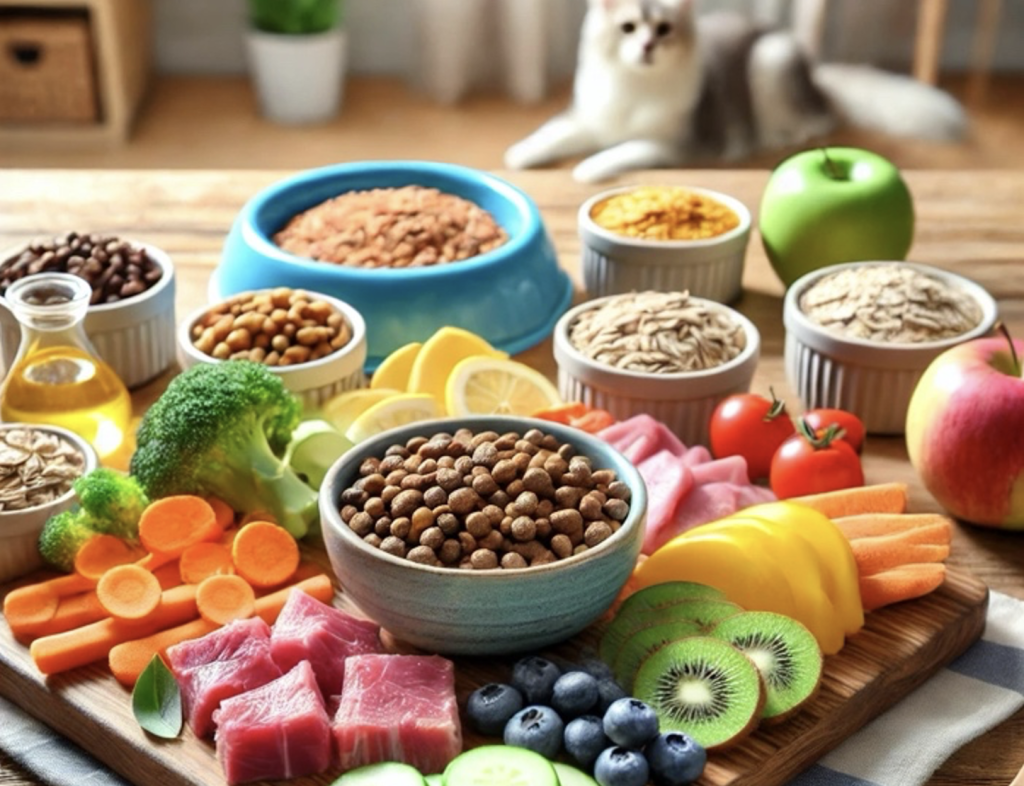
In conclusion, investing the time and resources into researching and purchasing quality pet foods is a commitment that will pay off many times over in the form of a healthier, more vibrant pet.
LEARN MORE: Click here to discover the challenges and triumphs of adopting rescued animals</p
Understanding Your Pet’s Nutritional Needs
When it comes to healthy nutrition for pets, understanding their unique dietary requirements based on breed, size, and age is critical. Each pet is an individual, and their nutritional needs can greatly differ. For instance, an active Labrador Retriever will require a vastly different caloric intake than a more sedentary breed like a Bulldog.
The Role of Essential Nutrients
A balanced diet comprises a variety of essential nutrients, each playing a significant role in your pet’s health:
- Proteins: Proteins serve as the building blocks for your pet’s body, essential for muscle growth and repair. They also produce enzymes and hormones necessary for various bodily functions. Sources like fish, chicken, and lamb should be high on the ingredient list to ensure your pet receives adequate protein.
- Fats: While often overlooked, fats are crucial for energy, especially for highly active pets. They also support healthy skin and coat. Omega fatty acids harmoniously balance inflammation and contribute to overall wellness.
- Carbohydrates: Though dogs and cats are not strict vegetarians, carbohydrates provide a significant source of energy. Whole-grain options such as brown rice or oats can aid digestion and offer vitamins and minerals that help maintain a healthy body.
- Vitamins and Minerals: Essential for numerous biological processes, these micronutrients support immune function, bone health, and more. A diverse range of fruits and vegetables can contribute to fulfilling these requirements; think leafy greens, sweet potatoes, and blueberries.
Commercial vs. Home-Cooked Diets
The debate between commercial pet food and home-cooked meals continues to spark interest among pet owners. Understanding the pros and cons of each can help you make informed decisions. Commercial pet food is often formulated to meet the nutritional standards set by bodies like the Association of American Feed Control Officials (AAFCO). This ensures a degree of safety and nutrient balance.
On the other hand, preparing meals at home allows pet owners to have complete control over the ingredients that go into their pets’ meals. However, it requires careful planning to ensure that the diet is balanced and complete. Consulting with a veterinarian or a pet nutritionist can guide you in creating recipes that cater to your pet’s specific needs.
Ultimately, the choice between commercial and home-cooked food should be driven by a combination of factors including your pet’s health status, lifestyle, and your personal preference for ingredient sourcing.
In the quest for ensuring a balanced diet, engaging in thorough research and remaining open to professional advice can lead you towards crafting the optimal dietary plan for your furry companions.
Understanding the Role of Nutrients
In the journey towards healthy nutrition for pets, understanding various nutrients is essential. Just like humans, pets require a balanced mix of proteins, carbohydrates, fats, vitamins, and minerals to thrive. Each nutrient plays a unique role in maintaining health and preventing diseases.
Proteins: Building Blocks of Life
Proteins are vital for the growth and repair of tissues. They are essential for building strong muscles and a robust immune system. Incorporating high-quality meat or plant-based protein sources into your pet’s diet can greatly enhance their health. The right amount of protein not only supports physical health but also contributes to better energy levels.
Carbohydrates: Energy Providers
Carbohydrates are a significant energy source. While pets can derive energy from fats, a proper amount of carbohydrates can improve digestive health through fiber, promoting a healthy gut. Choosing complex carbohydrates over simple ones can lead to sustained energy release, reducing the risks of obesity and diabetes.
Fats: Essential for Hormonal Balance
Fats often get a bad reputation, but they are crucial for a pet’s overall well-being. They provide essential fatty acids that help maintain a shiny coat and healthy skin. Additionally, fats assist in the absorption of fat-soluble vitamins, which are crucial for overall health.
Customizing Diets to Individual Needs
It’s important to remember that every pet is unique. Factors such as age, breed, activity level, and any pre-existing health conditions must be considered when designing a diet plan. Consulting with a veterinarian ensures that your pet’s nutritional needs are met effectively.
Natural Supplements for Dietary Support
Incorporating natural supplements can also boost the effectiveness of a balanced diet. Ingredients like omega-3 fatty acids, probiotics, and antioxidants can enhance a pet’s overall health. These natural additives can improve coat quality, support joint health, and strengthen the immune system.
The Long-Term Benefits of Balanced Diets
Adopting a balanced diet from an early age helps prevent future health problems, including obesity, dental diseases, and digestive issues. Maintaining a proper diet promotes longevity and vitality, thus improving the quality of a pet’s life. Remember, a happy and healthy pet often reflects the care and attention given to their nutrition.
| Category | Benefits |
|---|---|
| Quality Protein Sources | Supports muscle development and immune health. |
| Healthy Fats | Promotes skin and coat health, aids in vitamin absorption. |
| Complex Carbohydrates | Provides lasting energy and supports digestive health. |
| Natural Supplements | Enhances overall health and supports various bodily functions. |
DISCOVER MORE: Click here to learn about inspiring success stories
Recognizing Food Sensitivities and Allergies
As a responsible pet owner, understanding your pet’s health journey is crucial, especially regarding their nutritional health. One of the growing concerns among pet owners today is the prevalence of food sensitivities and allergies. Many pets may develop reactions to certain ingredients, leading to discomfort and health issues. Recognizing these sensitivities early can significantly impact your pet’s overall well-being.
Common Food Allergens
In the realm of pet nutrition, some ingredients are frequently identified as allergens. Proteins such as beef, chicken, and lamb are the most common culprits, particularly in dogs. Grains like corn and wheat, although often viewed as a standard part of pet food, can also trigger gastrointestinal distress in some animals. As a pet owner, it’s important to monitor your pet for symptoms such as skin irritation, excessive itching, or gastrointestinal disturbances, which can indicate an allergic response.
If you suspect your pet may have food sensitivities, consider consulting with your veterinarian for an elimination diet. This involves systematically removing potential allergens from your pet’s diet and gradually reintroducing them to identify the specific trigger.
The Importance of Hydration
Another critical aspect of healthy nutrition for pets that is often overlooked is hydration. Just like humans, your pets need a consistent supply of clean, fresh water to stay healthy. Proper hydration supports digestion, nutrient absorption, and even temperature regulation. Dehydration could lead to severe, life-threatening conditions.
When shifting to a home-cooked diet, consider integrating moisture-rich foods like fresh fruits and vegetables or providing moisture-enhanced dry kibble. In contrast, commercial pet foods often contain a certain percentage of moisture, which can help with hydration yet should not replace free access to fresh water.
Monitoring Weight and Adjusting Diets Accordingly
Maintaining a healthy weight is paramount for your pet’s health and longevity. Obesity can lead to numerous health problems, including diabetes, arthritis, and heart disease. Regularly assessing your pet’s weight and body condition is essential in determining if their current diet is effective or if adjustments are needed.
Understanding how many calories your pet needs based on their activity level and weighing it against the calorie content of their food will help refine their dietary plan. As a rule of thumb, consult with your veterinarian to evaluate your pet’s optimal weight and to keep track of their nutritional intake.
When to Seek Professional Help
For many pet owners, navigating the world of pet nutrition can be daunting. Whenever there are concerns about your pet’s diet or health, seeking professional guidance can provide peace of mind. Veterinarians and pet nutritionists can offer tailored advice to ensure that your pet’s diet is not only balanced but also celebrates their unique lifestyle needs. This collaboration can pave the way for enhanced quality of life and longevity for your furry companions.
Furthermore, with the rise of online resources, you can now access a plethora of pet nutrition information and community forums. Engaging with fellow pet owners can help you gain diverse perspectives and tips on what’s working for their pets, thereby enriching your own journey in providing healthy nutrition for pets.
DON’T MISS: Click here to enhance your pet’s well-being
Conclusion
In the ever-evolving landscape of pet care, healthy nutrition stands out as a cornerstone of your furry friends’ overall well-being. As we have explored, a balanced diet not only fuels energy and growth but also plays a crucial role in disease prevention and health maintenance. By recognizing the signs of food sensitivities and understanding common allergens, pet owners can tailor their pets’ diets to meet individual needs, reducing discomfort and promoting a happier life.
Moreover, the significance of hydration cannot be overstated; it enhances digestion and overall bodily functions, proving to be just as essential as the food itself. Maintaining an ideal weight through appropriate dietary choices is another vital aspect that helps to avert serious health issues down the road. Regular veterinary consultations can ensure that your pet’s nutritional needs are met and that any necessary adjustments to their diet are made in a timely manner.
With the wealth of information available today, it is easier than ever to make informed decisions. Engaging in community forums or accessing expert resources online provides additional insights into optimal pet nutrition practices. As responsible pet owners, it is our duty to advocate for and implement balanced diets for our companions, paving the way for a vibrant and fulfilling life. Ultimately, prioritizing your pet’s nutritional health is not merely about feeding them—it’s about nurturing their joy, vitality, and long-term happiness.
Related posts:
How Interaction with Pets Can Increase Self-esteem and Confidence in Children
How Interaction with Pets Can Improve Sleep Quality
The Importance of Animal-Assisted Therapy in Mental Health
The Role of Pets in Promoting Healthy Habits in Families
The Role of Pets in Promoting Outdoor Physical Activities for Their Owners
The Role of Pets in Promoting Healthy Lifestyles in Families

Linda Carter is a writer and pet care expert specializing in pet health, grooming, and wellness. With extensive experience helping pet owners create safe, loving, and enriching environments for their animals, Linda shares her knowledge on our platform. Her goal is to empower readers with practical advice and strategies to ensure their pets thrive and lead joyful, healthy lives.