How Behavioral Training Can Help Reduce Anxiety in Pets

Understanding Pet Anxiety and Its Impact
Pet anxiety is a growing concern among the millions of animal owners across the United States. It is estimated that approximately 25-30% of dogs experience some form of anxiety, which can manifest in a variety of troubling behaviors. These manifestations can include not only disruptive actions such as destructive chewing and excessive barking but also more subtle reactions like fearfulness in new or loud environments. Understanding these behaviors is crucial for pet owners, as they can significantly impact the quality of life for both the pet and its family.
Common Signs of Anxiety in Pets
- Excessive barking or howling, especially when left alone or in unfamiliar situations.
- Destructive chewing or digging, often targeting furniture, shoes, or personal items, can be a sign of distress.
- Increased aggression or hyperactivity, which can occur when a pet feels threatened or overly stimulated.
- Avoidance or hiding behaviors, like seeking out small, enclosed spaces in the house, indicate a desire to escape stressors.
- Changes in appetite or sleeping patterns, with some pets eating less or becoming restless at night.
Recognizing these signs is the initial step toward addressing pet anxiety. Many owners might not realize that their furry friends’ distress can stem from various everyday triggers, including unfamiliar visitors, loud noises like thunderstorms, or even changes in the household routine.
The Role of Behavioral Training
Behavioral training emerges as a crucial tool in helping pets overcome anxiety. It focuses on teaching pets desirable behaviors while simultaneously minimizing their negative responses to anxiety-inducing stimuli. One of the primary techniques employed in this type of training is positive reinforcement, which rewards desired behaviors with treats, praise, or play. This method encourages pets to associate good behavior with positive outcomes, fostering an environment of trust and safety.
Another effective technique is desensitization, which involves gradually exposing pets to the sources of their anxiety at a low intensity. Over time, this can help them adjust and reduce their fear response. For instance, if a dog is anxious during thunderstorms, a trainer might introduce the sound of thunder at a very low volume—while providing treats—before gradually increasing the volume as the dog becomes more comfortable.
Counter-conditioning is also pivotal in changing a pet’s emotional responses. This technique pairs a negative stimulus, like a loud noise, with a positive experience, such as receiving a favorite toy or treat. Over time, the pet learns to associate the previously scary stimulus with something positive, which can significantly decrease anxiety levels.
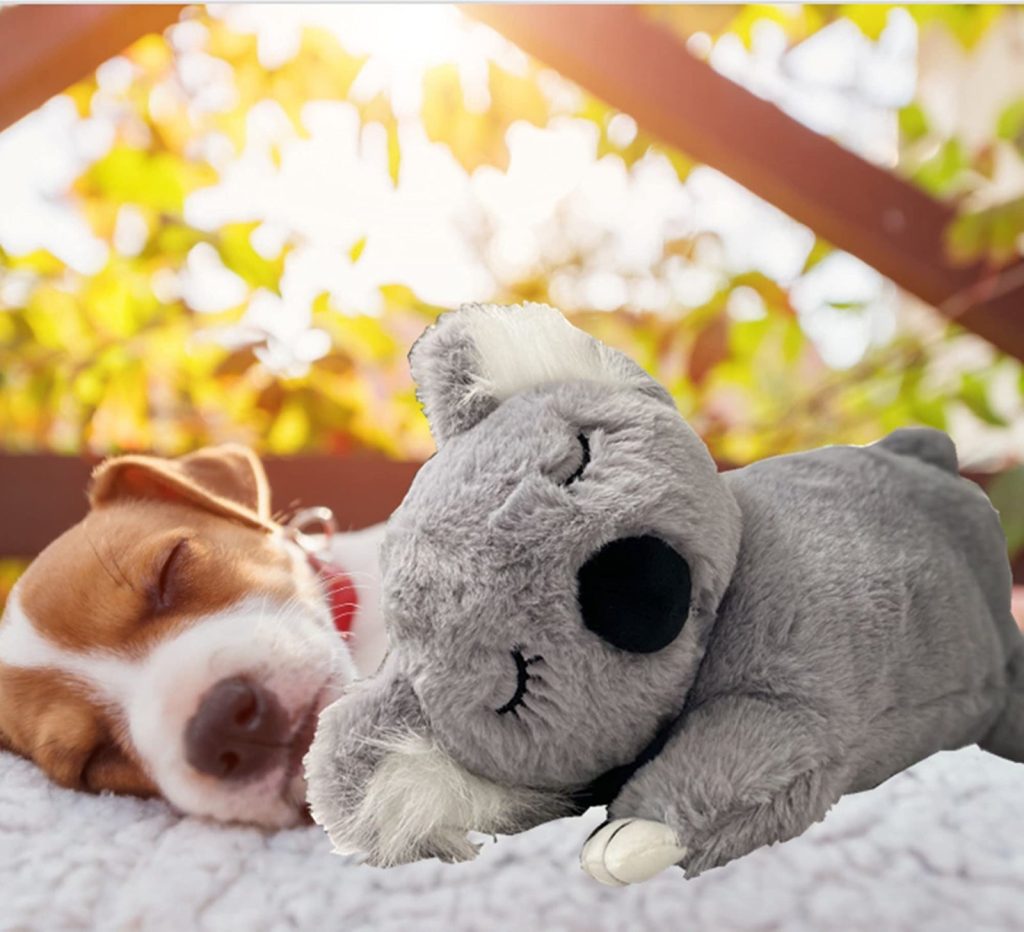
Investing time and effort into behavioral training can greatly enhance communication and understanding between pets and their owners, leading to a more harmonious household where both parties thrive. As you delve into the world of behavioral training, you embark on a path to not only alleviate anxiety but also strengthen your bond with your beloved pet.
DISCOVER MORE: Click here to learn about the importance of probiotics for your pet’s health
Effective Strategies in Behavioral Training for Anxious Pets
When it comes to addressing pet anxiety, understanding the foundational principles of behavioral training is critical. This method not only aims to alleviate anxiety symptoms but also actively works to reshape a pet’s emotional responses. By employing structured techniques, pet owners can create a supportive environment that addresses their pets’ fears and builds confidence over time.
The Power of Positive Reinforcement
Positive reinforcement is among the most recommended techniques in behavioral training. This approach reinforces good behavior through rewards, making it clear to pets what actions lead to positive outcomes. For example, if a dog manages to stay calm during a thunderstorm—something it would typically dread—the owner can reward this calmness with a treat or affectionate strokes. Over time, this creates a strong association between calm behavior and rewards, reducing the anxious response in the future.
In addition to treats, praise and playtime can also serve as effective reinforcers. Just as children learn through encouragement and feedback, pets thrive when they know that their good behavior is recognized and appreciated. Implementing a steady regimen of training sessions not only helps pets develop desirable behaviors but also promotes a sense of routine and stability, which is vital for anxious animals.
Utilizing Desensitization Techniques
Desensitization plays a vital role in combating pet anxiety, especially when an animal reacts fearfully to specific triggers. By gradually exposing pets to their stressors—whether it be the sound of fireworks, the presence of strangers, or the hustle and bustle of a busy household—owners can help diminish their pets’ fear responses. This process should always be slow and controlled. Starting with minimal exposure and gradually increasing the intensity allows pets to adjust without feeling overwhelmed.
For instance, if a dog is scared of certain noises, owners might first introduce these sounds at a very low volume while simultaneously providing treats and praise. As the dog starts to show less fear at the low volume, the owner can progressively increase it, further guiding the animal toward accepting the previously frightening stimuli.
The Role of Counter-Conditioning
Counter-conditioning complements desensitization and involves changing the emotional response towards a stimulus from negative to positive. This technique can be quite transformative for pets with severe anxiety issues. When faced with a distressing stimulus, such as a vacuum cleaner, owners can simultaneously offer a loved toy or a favorite treat. This approach conditions the pet to associate the vacuum cleaner—once viewed as a threat—with a pleasurable outcome, leading to reduced anxiety over time.
With time and persistence, behavioral training can significantly improve a pet’s emotional response to stimuli that once incited fear or anxiety. Investing in these methods not only aids pets in managing their anxiety but also leads to stronger bonds between pets and their owners, creating a more fulfilling life for everyone involved.
| Behavioral Training Techniques | Impact on Pet Anxiety |
|---|---|
| Desensitization | Gradually exposes pets to anxiety triggers, helping them to cope better over time. |
| Positive Reinforcement | Encourages desired behaviors by rewarding pets, promoting confidence and reducing stress. |
| Counter Conditioning | Changes the pet’s emotional response to stressors by associating them with positive outcomes. |
| Consistency in Training | Creates a stable environment, which is vital for anxious pets to thrive. |
Behavioral training is a systematic approach that leverages specific techniques to modify pet behavior and significantly reduce anxiety. Techniques like desensitization gently expose pets to anxiety-inducing situations in a controlled manner, allowing them to adapt and ultimately respond more calmly. This gradual adjustment can transform their entire experience, making life less stressful. Positive reinforcement plays a crucial role as well. By rewarding calm behavior, pets begin to associate relaxing in challenging situations with positive outcomes. Similarly, counter conditioning works on changing their emotional reactions by pairing stressors with treats or enjoyable activities. Moreover, consistent training protocols ensure that pets feel secure and can predict outcomes, contributing to a more balanced state of mind. As you delve deeper into these methods, remember that patience and understanding are key ingredients to fostering an environment that alleviates anxiety in pets. Implementing these techniques with dedication could lead to a remarkable transformation in your pet’s behavior.
LEARN MORE: Click here to find the best diet for your pet
Building a Safe and Predictable Environment
In addition to training techniques, creating a safe and predictable environment is essential for managing pet anxiety. Animals, much like humans, find comfort in routine and familiarity. Establishing a daily schedule for feeding, walks, and playtime helps mitigate anxiety by providing pets with clear expectations of what will happen throughout their day.
For example, dogs benefit significantly from consistent exercise and interaction. Daily walks, regular playtime, and training sessions serve to engage their minds and tire them out physically, which can help reduce stress levels. On the other hand, having a designated quiet area in the home, where pets feel secure and can retreat when overwhelmed, provides an essential outlet for managing anxiety. A cozy bed in a calm room, possibly enhanced with their favorite toys or blankets, can serve as a “safe space” for them when they need a break.
The Importance of Socialization
Socialization is another critical element in behavioral training that aids in nurturing emotional well-being. Exposing pets to a variety of environments, people, and other animals—especially during their formative stages—teaches them to cope with different situations and reduces the likelihood of developing anxiety as they age. Early socialization can involve planned playdates with other pets or supervised outings to pet-friendly parks.
Owners in urban settings, such as New York or Los Angeles, often have ample opportunities to socialize their pets by taking them to dog parks or engaging in community pet events. However, for pets who are already exhibiting anxious behaviors, it’s essential to approach socialization thoughtfully. Gradual introductions—starting with low-stress, positive experiences—help foster good associations rather than overwhelming them with fear-inducing scenarios.
The Role of Professional Guidance
While many owners can implement effective behavioral training techniques, enlisting the help of a professional trainer or a behaviorist can provide specialized insights tailored to an individual pet’s needs. Trainers experienced in anxiety-related behavioral issues may suggest personalized strategies, such as exploring various training models or creating a specific desensitization plan. This expert guidance can be a game-changer for anxious pets and their families.
Moreover, many trainers are certified in the use of positive reinforcement methods, and some may even incorporate techniques that combine behavioral training with wellness practices, such as aromatherapy or calming supplements. These complementary approaches often improve outcomes by enhancing the overall emotional climate for pets struggling with anxiety.
Monitoring Progress and Adjusting Techniques
Behavioral training is not static; it requires regular monitoring and adjustment to ensure the best outcomes for anxious pets. Owners should keep a close eye on their pet’s behaviors and emotional responses to different stimuli. By keeping a journal of observations—tracking what works and what doesn’t—owners can make informed adjustments to their training regimens, ensuring they remain both effective and supportive.
For instance, if a certain method seems to be increasing anxiety rather than reducing it, it may be time to alter the approach or consult with a professional trainer. Continuous learning and adaptation are key elements of successful behavioral training practices, particularly for pets with anxiety issues.
In summary, combining positive reinforcement with a strong focus on environmental stability, socialization, professional guidance, and progress monitoring forms a comprehensive approach. This multifaceted strategy allows pet owners to effectively address anxiety while building a more robust and nurturing relationship with their furry companions.
DIVE DEEPER: Click here to learn more
Conclusion
As pet owners, understanding the complexities of pet anxiety is paramount to creating a healthier and happier environment for our furry companions. The incorporation of behavioral training offers an effective pathway toward alleviating anxiety, helping pets navigate their fears and uncertainties. With the right combination of techniques—ranging from establishing a consistent routine to prioritizing socialization opportunities—owners can significantly improve their pets’ emotional well-being.
Moreover, seeking professional guidance is a vital step, as trainers and behaviorists can tailor strategies to meet an individual pet’s specific needs. Not only can they provide insight into effective training techniques, but they can also introduce complementary practices that enhance relaxation and comfort. Continuous monitoring and adjustment of training methods ensure that the approach remains responsive to the pet’s growth and changing needs.
Ultimately, addressing anxiety in pets is about building a strong bond based on trust and understanding. By examining and adapting various training techniques, pet owners can foster an environment where their companions feel safe, secure, and confident. The journey may require patience and dedication, but the rewards—a happier, more relaxed pet—are truly worth the effort. As more studies emerge highlighting the importance of behavioral training, now is the ideal time for pet owners to explore these strategies and take an active role in reducing anxiety for their beloved pets.
Related posts:
The Role of Nonverbal Communication in Pet Behavior Training
The Role of Behavioral Training in Preventing Behavioral Problems in Puppies
The Importance of Behavioral Training in Dog Socialization
The Effectiveness of Behavioral Training in Dog Breeds with Aggressive Tendencies
The Importance of Behavioral Training in Preventing Aggression in Dogs
The Importance of Behavioral Training for Adopted Dogs

Linda Carter is a writer and pet care expert specializing in pet health, grooming, and wellness. With extensive experience helping pet owners create safe, loving, and enriching environments for their animals, Linda shares her knowledge on our platform. Her goal is to empower readers with practical advice and strategies to ensure their pets thrive and lead joyful, healthy lives.