How Behavioral Training Techniques Can Help in Puppy Socialization

The Foundation of Your Puppy’s Happiness and Well-Being
Socializing your puppy is not merely about letting them play with other dogs; it’s a vital process that can influence their behavior for a lifetime. The right behavioral training techniques lay the groundwork for a well-adjusted dog who can thrive in various social environments. Early exposure to different situations, people, and animals can be key in preventing many behavioral issues, including common problems like aggression, excessive barking, and anxiety.
Key Benefits of Puppy Socialization
Puppies who experience positive socialization early in life tend to display better social skills as adults. Understanding the multiple benefits can motivate pet owners to prioritize this critical phase. Here are a few significant advantages:
- Enhanced Confidence: When puppies encounter new sights, sounds, and experiences, they learn to adapt effectively. For instance, a puppy that has been exposed to bustling parks, loud noises, and various types of people will likely walk through these situations with greater confidence, thus enriching their future experiences.
- Improved Communication: Socialization helps puppies interpret body language and vocal signals not only from other dogs but also from humans. This skill is crucial; for example, a puppy that understands when a dog is signaling aggression or fear can respond appropriately, avoiding potential conflicts.
- Reduction in Fear: Early exposure can significantly cut down on fear-related behaviors later in life. For instance, a puppy that has had interactions with children, bicycles, or strollers is less likely to develop a fear of these elements as they grow older.
By incorporating structured behavioral training techniques such as these, you aid your puppy in becoming a well-rounded adult dog. Engaging in activities like puppy playdates, supervised group classes, or visits to pet-friendly locations presents valuable opportunities for social enrichment.
Explore Techniques for Success
Diving into puppy socialization requires knowledge about effective training methods that can promote positive development. Consider methods such as clicker training, which offers immediate feedback for desired behaviors, reinforcing good habits. Additionally, positive reinforcement, where treats and praise encourage desirable actions, can motivate puppies to engage socially. Lastly, gradual desensitization slowly introduces puppies to stimuli that may otherwise be overwhelming, helping them adjust without fear.
Each training tactic can be tailored to fit your puppy’s unique temperament and needs, establishing a solid foundation for a lifelong bond. By prioritizing these techniques, you can cultivate a well-balanced and confident companion, ready to embrace the world by your side.
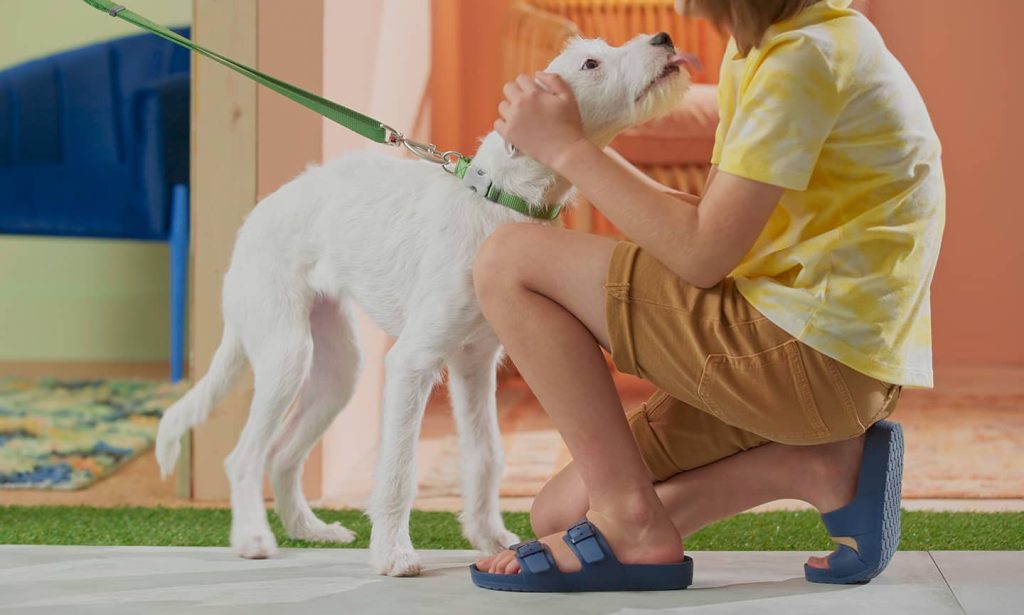
In this article, we will further explore how these behavioral training techniques can elevate your puppy’s experience, equipping them with the social tools essential for becoming a happy, sociable, and adaptable adult dog.
DISCOVER MORE: Click here to learn about the benefits of regular exercise for you and your dog</a
Essential Behavioral Techniques for Effective Socialization
Understanding how to leverage behavioral training techniques in puppy socialization is fundamental for dog owners looking to cultivate friendly and adaptable companions. A structured approach not only guides owners through the maze of early dog development but also highlights the importance of reinforcement strategies and socialization opportunities. By employing the right techniques, you can create a nurturing environment that helps your puppy thrive in varied social situations.
Clicker Training: The Power of Timing
One of the most efficient methods to encourage good behavior during socialization is clicker training. This is a communication tool that uses a distinct sound to mark desirable behaviors, followed by immediate reward. For instance, if your puppy interacts positively with another dog or person, you would click and then provide a treat. This real-time feedback helps your puppy connect the dots: positive behavior results in a rewarding experience. The immediate reinforcement establishes a pattern of positive associations with new social encounters, ultimately setting the stage for more confident interactions.
Positive Reinforcement: Building Blocks of Good Manners
Positive reinforcement takes clicker training a step further by incorporating various rewards like treats, praise, or playtime whenever your puppy displays sociable behavior. This technique fosters an environment of encouragement and can be a game-changer when introducing your puppy to unfamiliar situations. For example, you can take your puppy on a walk and reward them for remaining calm when passing by other dogs or children. As puppies learn that good behavior leads to pleasant outcomes, their willingness to engage socially improves tremendously.
Gradual Desensitization: Easing into New Experiences
Another key component is gradual desensitization, a technique particularly effective for those puppies displaying anxiety or fear in the presence of unfamiliar stimuli. This method involves slowly introducing your puppy to different experiences at a comfortable pace. If your puppy seems apprehensive about loud noises, for instance, start by exposing them to quiet sounds and gradually increasing the volume as they become more comfortable. This systematic approach helps reduce stress and builds resilience, making future encounters less overwhelming.
Creating Opportunities for Positive Experiences
As crucial as these techniques are, the environments in which puppies are socialized play an equally vital role. Here are a few structured activities to enrich your puppy’s socialization experience:
- Puppy Playdates: Arrange controlled play sessions with trusted dogs to foster friendships.
- Obedience Classes: Enroll in puppy training classes that encourage interaction with other dogs and people.
- Community Outings: Visit dog-friendly parks, cafes, or pet events that expose your puppy to various environments and stimuli.
Each of these opportunities offers unique benefits while reinforcing the behavioral training techniques mentioned, enabling puppies to grow into well-socialized adult dogs.
In the upcoming sections, we will continue to explore more advanced techniques and strategies to further enhance your puppy’s ability to engage socially, ensuring a healthy and happy canine companion for years to come.
| Advantages of Behavioral Training | Description |
|---|---|
| Enhanced Puppy Confidence | Utilizing positive reinforcement during training helps puppies build self-esteem and feel secure in their environment. |
| Improved Social Skills | Behavioral training encourages interaction with other dogs and people, which is essential for developing good social habits. |
| Reduced Anxiety and Stress | Training sessions that incorporate calming techniques help alleviate fears of unfamiliar situations, making it easier for puppies to adapt socially. |
| Stronger Owner-Puppy Bond | Engaging in training activities fosters trust and communication, reinforcing a positive relationship between the puppy and their owner. |
Behavioral training techniques not only enhance a puppy’s confidence but also cultivate vital social skills necessary for a harmonious life with humans and other animals. By leveraging methods such as positive reinforcement, owners can create a supportive learning atmosphere that encourages persistence and patience in their furry companions. Moreover, integrating calming strategies during training can significantly reduce anxiety, equipping puppies with the tools to handle new experiences comfortably. Furthermore, these techniques help forge a deeper bond between puppies and their owners, steering them toward a thriving and fulfilling coexistence. As society urges responsible pet ownership, recognizing the importance of puppy socialization through behavioral training is paramount. Exploring different training techniques can reveal a myriad of benefits, shaping well-adjusted pets that enhance the lives of everyone they encounter.
LEARN MORE: Click here to discover heartwarming tales
Advanced Techniques for Enhancing Social Skills
As your puppy’s foundational behaviors solidify through initial socialization, it is essential to delve into more advanced behavioral training techniques that can further refine their social skills. Employing strategies that engage your puppy’s instincts can lead to more profound and lasting social connections, enabling them to adapt and behave well in various settings.
Socialization Through Play: Incorporating Fun and Learning
Play is a vital element of socialization and serves as a natural way for puppies to interact with each other and learn essential canine social cues. Engaging in games like fetch, tug-of-war, or hide-and-seek can be incredibly beneficial. Not only do these activities encourage physical exercise, but they also promote important lessons in sharing and communication.
Moreover, puppy agility courses can provide structured play opportunities that challenge their cognitive abilities while allowing them to navigate new environments. Facilitating interactive play sessions with larger groups of dogs can help your puppy develop confidence, teamwork, and adaptability to diverse social environments.
Targeted Exposure to Stimuli: Broadening the Range of Experiences
Targeted exposure helps puppies become comfortable with a broad spectrum of situations that they will encounter throughout their lives. This can encompass everything from variations in height, like navigating sets of stairs, to encountering different surfaces, such as grass, gravel, and tile floors. To implement targeted exposure, consider creating an environment that introduces your puppy to various scents, sounds, and visuals gradually. The use of sound files that mimic urban noise (such as traffic or crowd sounds) played at low volumes while your puppy is engaged in a pleasing activity can enhance this experience.
Adding visual stimuli, like balloons or people in costumes, can also serve to enrich your puppy’s comfort levels in various real-world situations. When paired with positive reinforcement, this exposure reduces sensitivity and increases resilience, preparing your puppy for everyday interactions with confidence.
Managing Fear and Aggression: Turning Challenges into Lessons
Encountering fear and aggression issues is not uncommon and can arise during the socialization process. Implementing counter-conditioning techniques can be transformative. This method involves changing your puppy’s response to a specific stimulus through gradual exposure and positive reinforcement. For instance, if your puppy is wary of strangers, you can have unfamiliar friends help by offering treats while remaining at a distance initially, slowly decreasing the distance as your puppy grows more comfortable.
Additionally, recognizing early signs of anxiety or aggression and knowing how to redirect that energy into positive behavior through training methodologies can prevent negative experiences. Establishing a command to sit or lie down during potentially stressful situations can shift the focus and foster calmness.
Joining a Positive Support Community: Collaborate with Others
Integrating your puppy into a supportive community can enhance their socialization experience significantly. Joining local puppy training groups or online forums can not only provide insight and resources from experienced pet owners but also allow for shared social experiences among different dog breeds. This not only helps your puppy to meet other dogs but also provides owners with an opportunity to exchange techniques, tips, and tricks.
- Networking with fellow dog owners: Create informal meet-ups for playdates and training exercises.
- Participating in dog shows: Involve your puppy in community events where positive interactions occur.
- Utilizing social media: Join online dog training groups focused on socialization techniques for direct sharing of stories, challenges, and solutions.
By employing these advanced strategies to enhance socialization, puppy owners can help mold well-rounded, sociable dogs equipped with the necessary skills to thrive social creatures throughout their lives.
DISCOVER MORE: Click here for expert tips
Conclusion: Elevating Puppy Socialization Through Behavioral Training
In summary, behavioral training techniques play an essential role in enhancing puppy socialization, providing a solid foundation for your furry companions to thrive in diverse environments. By integrating methods such as structured play, targeted exposure to stimuli, and effective management of fear and aggression, owners can facilitate richer social experiences that build confidence and resilience. These strategies not only pave the way for smoother interactions with other dogs and people but also foster vital communication skills that define well-adjusted canine behavior.
Moreover, becoming part of a supportive training community can significantly amplify the socialization journey. Collaborating with other dog owners not only allows for shared learning but also enriches your puppy’s experiences through mutual playdates and events. The collective wisdom of a community can unlock new approaches, offering diverse perspectives that might be just what you need to address specific challenges your puppy faces.
Ultimately, investing time and energy into behavioral training approaches will yield a well-socialized, adaptable dog ready to face the world with poise and enthusiasm. For those interested in delving deeper, numerous resources are available online, including instructional videos, expert forums, and training workshops. As you embark on this rewarding journey, you will not only strengthen the bond with your puppy but also contribute to a more harmonious environment for all dog enthusiasts.
Related posts:
The Influence of the Environment on the Effectiveness of Behavioral Training in Pets
The Importance of Behavioral Training in Preventing Behavior Problems in Pets
How Behavioral Training Techniques Can Help Pets Adapt to New Homes
How Pet Behavior Impacts Owners' Mental Health
The Effectiveness of Behavioral Training in Dog Breeds with Aggressive Tendencies
The Importance of Behavioral Training for Adopted Dogs

Linda Carter is a writer and pet care expert specializing in pet health, grooming, and wellness. With extensive experience helping pet owners create safe, loving, and enriching environments for their animals, Linda shares her knowledge on our platform. Her goal is to empower readers with practical advice and strategies to ensure their pets thrive and lead joyful, healthy lives.