Impact of Diet on the Longevity of Pets
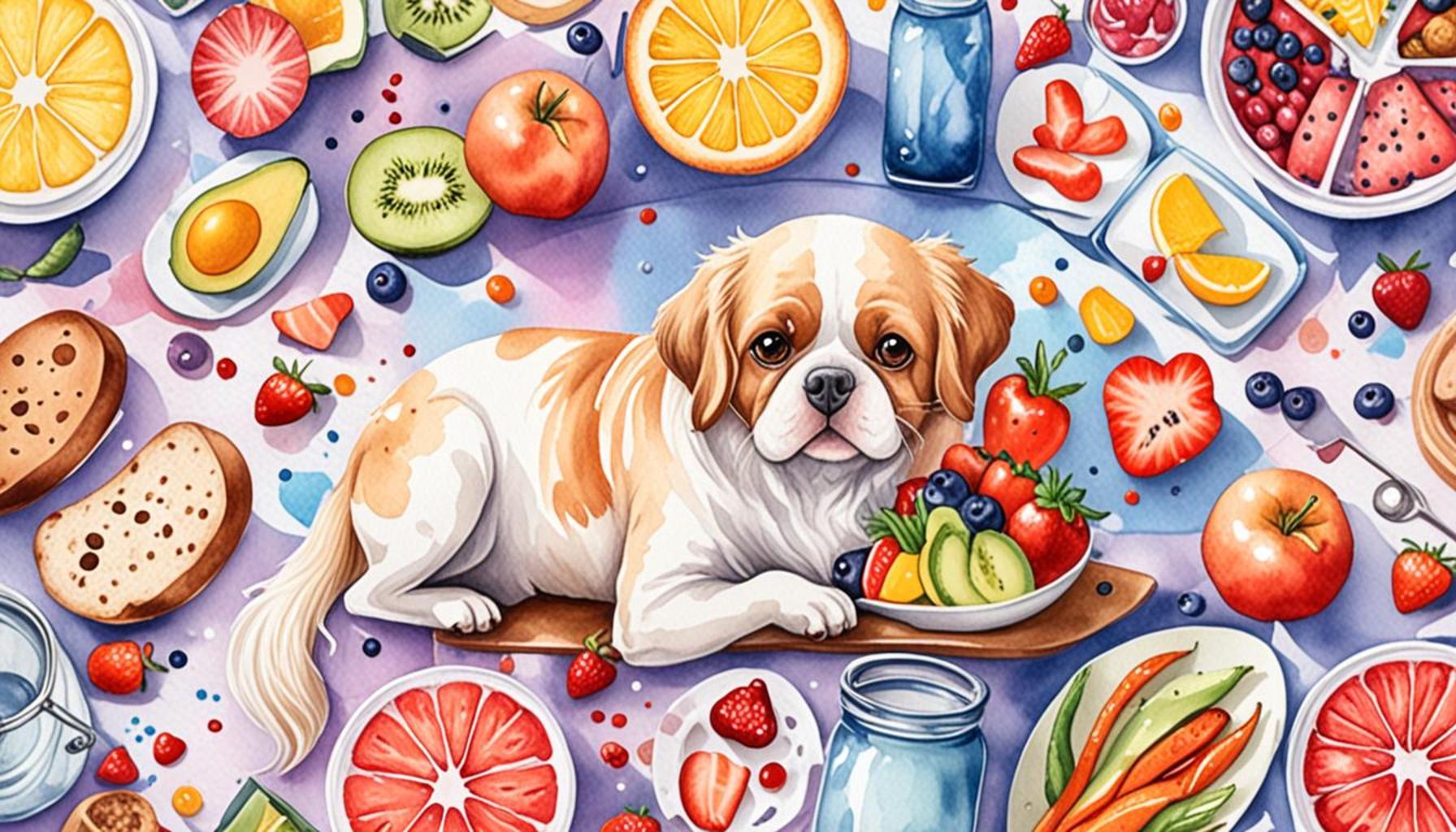
The Significance of Diet in Your Pet’s Health Journey
The choices you make about your pet’s diet can significantly influence their health and lifespan. A well-balanced diet is not merely a requirement; it is a foundation for a long and healthy life. Consider the following aspects when evaluating the impact of nutrition on your furry friend:
- Quality ingredients: When selecting pet food, scrutinize the ingredient list. Opt for foods that have high-quality proteins—like chicken, beef, or fish—as the primary ingredient. These proteins are essential for muscle development and overall health. Healthy fats, such as omega-3 and omega-6 fatty acids, are crucial for maintaining a shiny coat and healthy skin.
- Age-appropriate diets: Just as humans have unique dietary needs at different life stages, so do pets. Puppies require diets rich in calories and protein to support their rapid growth and energy levels. Meanwhile, adult dogs benefit from balanced nutrition that maintains their weight and energy, while senior pets might need lower-calorie diets rich in fiber to support digestive health and prevent obesity.
- Special dietary needs: Many pets require specialized diets due to underlying health issues. For instance, dogs with diabetes may thrive on high-protein, low-carbohydrate diets that help manage blood sugar levels. Cats with urinary issues can benefit from diets formulated to prevent crystal formation. Consulting a veterinarian for tailored recommendations is always a wise choice.
Research shows a direct correlation between nutritional value and longevity. A study conducted by the University of Georgia revealed that pets on premium diets experienced a remarkable 25% longer lifespan compared to their counterparts subsisting on low-quality, filler-heavy foods, which often contain unnecessary additives and preservatives. Furthermore, the risk of obesity, a critical factor leading to myriad health problems—ranging from diabetes to heart disease—is closely tied to the quality of a pet’s diet. By choosing nutrient-rich foods, you can actively mitigate these risks.
Understanding these connections not only helps in making informed choices but also empowers you to advocate for your pet’s health. The increasing trend in pet nutrition towards natural and organic ingredients reflects a broader societal recognition of the importance of quality food for overall wellbeing. As a pet owner, your decisions can pave the way for a healthier and happier life for your beloved companion. For those keen on exploring more about this essential topic, consider researching the nutritional needs specific to your pet’s breed and life stage, or even consulting with a veterinary nutritionist. Educating yourself about the vital aspects of pet nutrition will lead you to better choices for their wellbeing, ultimately enhancing their quality of life and longevity.
DISCOVER MORE: Click here to learn about probiotics in pet nutrition
Nutritional Foundations for a Longer Life
The diet you provide for your pets can be a crucial factor in determining their overall lifespan. With the growing awareness of pet health and nutrition, owners are now more informed about what constitutes a balanced diet. Understanding how these nutritional elements affect longevity is vital for every pet parent. Here are several factors to consider when assessing how diet influences the lifespan of your furry companions:

- Macronutrient Balance: A pet’s diet should comprise a balanced ratio of proteins, fats, and carbohydrates. Proteins are the building blocks for tissues and play a vital role in immune function. Healthy fats contribute to energy levels and support cognitive function. On the other hand, carbohydrates can be beneficial but should come from quality sources such as whole grains and vegetables. Understanding the right balance for your specific pet can lead to better health outcomes.
- Caloric Intake: The quantity of food is as significant as its quality. Overfeeding can lead to obesity, which is a leading cause of health issues in pets, such as arthritis, heart disease, and diabetes. Tailoring portion sizes to align with your pet’s lifestyle, age, and breed can greatly enhance their health. Regular vet check-ups also offer guidance on maintaining an appropriate caloric intake.
- Feeding Frequency: The frequency at which you feed your pet can influence their metabolism and energy levels. Many veterinarians recommend feeding adult dogs two meals a day instead of leaving food out all day. This structured feeding time can help manage their weight and promote digestive health.
In addition to these factors, the analytical measures of pet nutrition reveal some compelling statistics. Recent data from the Association for Pet Obesity Prevention indicated that approximately 60% of dogs and 56% of cats are classified as overweight or obese in the United States. Obesity is directly linked to a decreased lifespan; studies indicate that overweight pets can face a reduction in lifespan by up to 2 years compared to their healthier counterparts.
The significance of dietary fiber cannot be overlooked either. High-fiber diets can help manage weight and can be beneficial for pets with certain health conditions. Fiber promotes healthy digestion and can prevent problems such as constipation and colitis, enabling pets to lead more active and vibrant lives. Consulting with a veterinarian to determine the right type and amount of fiber for your pet will aid in achieving optimal health.
A comprehensive understanding of your pet’s dietary needs not only empowers you as an informed owner but also enhances the quality of their life. A diet rich in essential nutrients can help prevent illnesses, reduce the risk of chronic diseases, and ultimately contribute to a longer, more fulfilling life. As more pet owners embrace the trend of holistic diets, it’s vital to remain aware of how specific nutritional choices impact your beloved pet’s longevity.
| Advantages of Diet | Impact on Longevity |
|---|---|
| Nutrient Balance | A balanced diet ensures pets receive essential vitamins and minerals, promoting overall health. |
| Weight Management | Proper diet helps maintain healthy weight, reducing the risk of obesity-related diseases that can shorten lifespan. |
| Improved Digestive Health | High-quality diets enhance digestion and nutrient absorption, supporting longevity. |
| Enhanced Immune Function | Incorporating antioxidants and probiotics boosts immunity, helping pets fight diseases more effectively. |
| Healthy Coat and Skin | A diet rich in omega-3 and omega-6 fatty acids promotes a lustrous coat and healthy skin, which is vital for comfort and longevity. |
Eating a balanced diet can significantly enhance the longevity of pets. Nutrient-dense foods provide the necessary building blocks for a strong immune system, ensuring that pets are less susceptible to illness as they age. Studies show that pets fed premium diets, specifically designed for their breed, age, and activity level, can live several years longer than those who consume standard commercial offerings. Besides the direct correlation between diet and lifespan, the quality of life significantly improves when pets enjoy a healthy diet, resulting in increased activity levels and better mental health. These factors are often overlooked but are crucial in discussing the overall longevity of pets.
DISCOVER MORE: Click here to learn about the benefits
The Role of Specific Nutrients in Enhancing Lifespan
While understanding macronutrient balance, caloric intake, and fiber is essential, the specific nutrients that comprise your pet’s diet play an equally crucial role in promoting their longevity. Nutritional science has advanced considerably, uncovering the importance of certain vitamins, minerals, and supplements in your pet’s diet that can lead to a healthier, longer life. Let us explore some of these vital components:
- Antioxidants: Richly loaded in fruits and vegetables, antioxidants such as vitamins E and C, selenium, and beta-carotene help combat oxidative stress in pets. Oxidative stress is responsible for cellular damage and is associated with various degenerative diseases. By including antioxidant-rich foods, such as blueberries, spinach, and carrots, you can bolster your pet’s immune system and support healthy aging.
- Omega-3 Fatty Acids: Found in fish oil and flaxseed, omega-3 fatty acids have potent anti-inflammatory properties. These beneficial fats can reduce joint pain and stiffness in pets, making it easier for older pets to stay active. Research shows that pets receiving omega-3 supplementation have been associated with better cognitive function and a lower chance of developing chronic diseases, thus enhancing lifespan.
- Probiotics: Just as in humans, the gut health of pets is increasingly recognized as a pivotal aspect of overall well-being. Probiotics, found in foods like yogurt and specially formulated pet foods, support a healthy gut microbiome. A balanced gut flora aids in digestion, enhances nutrient absorption, and can help prevent gastrointestinal diseases, ultimately contributing to longevity.
Furthermore, pet owners are becoming more aware of the implications of raw and cooked diets on their pets’ lifespan. Some advocate raw diets, claiming that they align more closely with a pet’s ancestral dietary patterns. However, it’s essential to be cautious. Expert advice should be sought to avoid deficiencies or pathogens that can threaten your pet’s health. On the flip side, expertly prepared commercial pet foods are rigorously tested to ensure they provide complete nutrition, making them a safe option for many owners.
Another important aspect is the quality of ingredients. The pet food industry is continually evolving with transparency becoming a priority. Today, pet owners can look for foods containing high-quality, whole ingredients. Reading labels to verify the presence of named meats as the primary ingredient compared to by-products or fillers can significantly impact your pet’s health. Recent surveys indicate that over 70% of pet owners are now willing to switch brands if they find more nutritious options, showing a strong desire for better health outcomes for their pets.
In addition, understanding the unique dietary needs of different breeds can further influence longevity. For example, large breed dogs may require specific nutrients for bone health, while small breeds might benefit from highly digestible proteins. Consulting with a veterinarian can provide insights tailored to your pet’s breed, age, and specific health requirements.
Investing time in researching and understanding the intricate relationship between diet and the longevity of pets is a step every pet owner should take. The remarkable potential for improved lifespan through dietary adjustments reinforces the sentiment that what’s on your pet’s plate is as critical as the love and care you provide them. As the landscape of pet nutrition continues evolving, staying informed will ensure you make choices that lead to healthier, happier, and longer lives for your cherished companions.
DISCOVER MORE: Click here to learn how pets can boost children’s self-esteem!
Conclusion: A Path to Healthier, Longevity-Focused Pet Nutrition
In summary, the impact of diet on the longevity of pets is profound and multifaceted. From the essential balance of macronutrients to the incorporation of specific vitamins, minerals, and beneficial compounds, pet owners hold the key to boosting their companion’s life expectancy. The critical roles of antioxidants, omega-3 fatty acids, and probiotics serve as reminders that a thoughtful and informed diet can have a lasting effect on your pet’s health. With the growing awareness surrounding high-quality ingredients, the importance of customized nutrition based on breed and health needs can no longer be disregarded.
The journey toward optimal pet health is one that demands ongoing education and awareness, especially as the pet food industry continues to innovate and evolve. By choosing nutrition that focuses on whole, safe ingredients, and consulting with veterinarians about your pet’s unique dietary requirements, you can significantly improve their quality of life and lifespan. Remember, this is more than just a choice of food; it reflects a commitment to providing your pet with the best possible care.
Ultimately, embracing the knowledge of how diet influences longevity not only enriches the lives of our beloved pets but also enhances the bond we share with them. As guardians of their health, let us strive for informed dietary choices that ensure our furry family members lead long, happy, and healthy lives. Together, we can make a substantial difference in their lifespans, proving that every meal matters.
Related posts:
Trends in Pet Food: The Growth of Veganism and Vegetarianism
The Effects of Diet on the Longevity of Pets
Tips for Creating Nutritious Homemade Meals for Dogs and Cats
The Role of Probiotics in Pet Nutrition
Conscious Eating: How Nutrition Impacts Pet Behavior
How to Deal with Food Allergies in Dogs and Cats

Linda Carter is a writer and pet care expert specializing in pet health, grooming, and wellness. With extensive experience helping pet owners create safe, loving, and enriching environments for their animals, Linda shares her knowledge on our platform. Her goal is to empower readers with practical advice and strategies to ensure their pets thrive and lead joyful, healthy lives.