Nutritional Supplements: When and How to Use Them in Your Pet’s Diet
Enhancing Your Pet’s Health: The Role of Nutritional Supplements
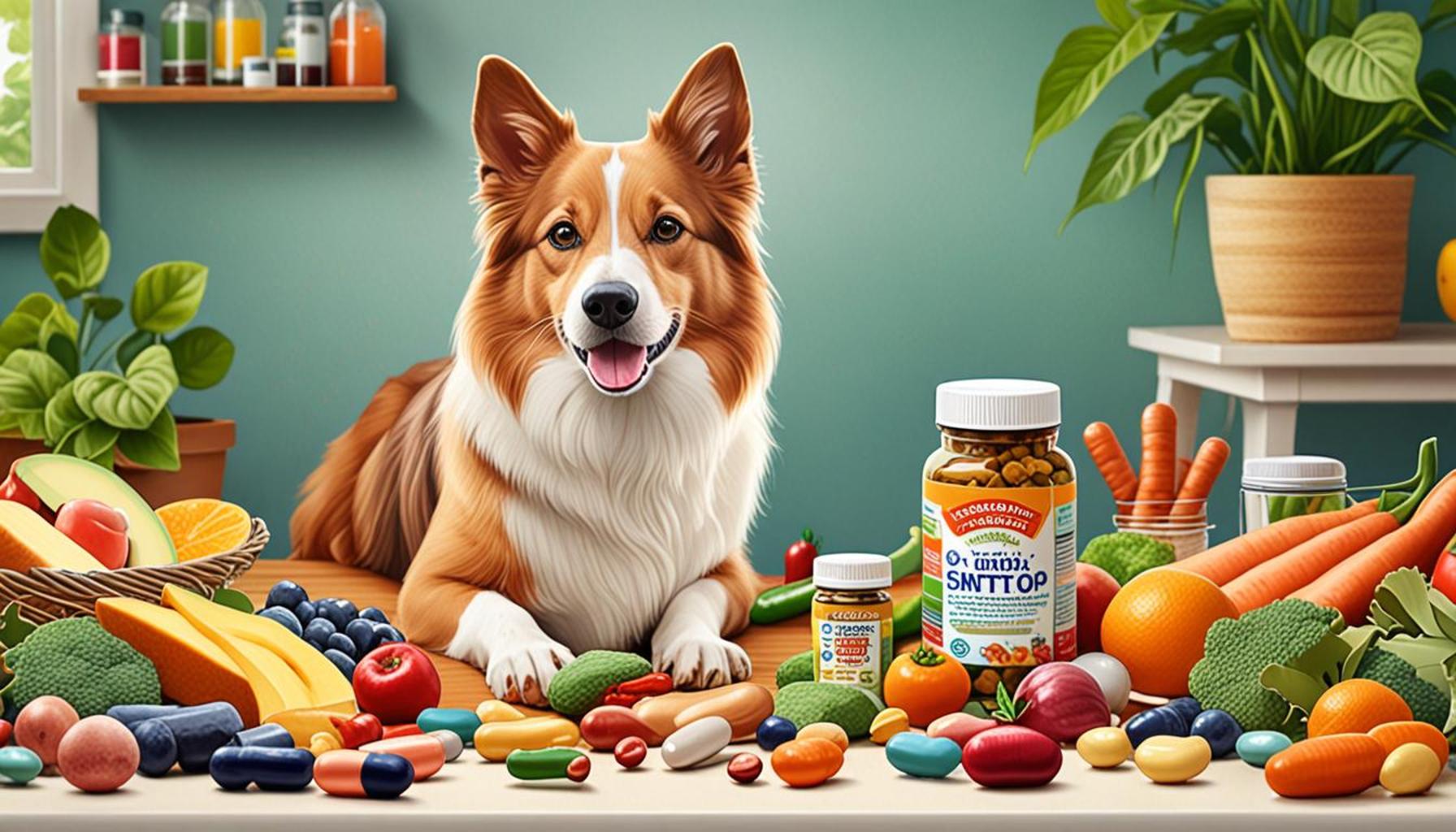
Pet owners are increasingly becoming aware of the importance of maximizing their furry companions’ health and well-being. In the pursuit of better nutrition, nutritional supplements have emerged as a popular avenue for enhancing the overall health of pets. These supplements can be crucial for improving quality of life, but it is vital to understand when and how to integrate them into your pet’s diet for the best results.
When to Introduce Nutritional Supplements
Knowing the right moments to introduce supplements can make a significant impact on your pet’s health. Here are some scenarios where supplements may be particularly beneficial:
- Age Considerations: As pets age, their nutritional requirements change. Senior pets—those often classified as over seven years old for dogs and over ten for cats—may require additional vitamins and minerals to support their aging organs and maintain energy levels. For example, glucosamine and chondroitin supplements can help address arthritis in aging dogs and cats.
- Health Conditions: Pets suffering from chronic health issues may require specialized dietary support. For instance, pets with allergies may benefit from omega-3 fatty acids, which can help reduce inflammation. Similarly, pets recovering from surgery might need specific amino acids that aid in muscle repair and recovery.
- Dietary Gaps: If your pet is on a homemade diet, it is essential to ensure they receive balanced nutrition. Homemade diets may lack certain nutrients, and supplements can fill in those gaps. For instance, if you’re preparing fresh meals without the correct balance of ingredients, a multivitamin or mineral supplement can ensure your pet is getting adequate nutrition.
Choosing the Right Type of Supplement
Besides understanding the timing and context for supplementation, selecting the appropriate type is crucial for reaping the benefits. Some common supplement categories include:
- Vitamins and Minerals: These are essential for overall health. Vitamin E, for example, is known for its antioxidant properties, helping to combat free radicals and support immune function.
- Fatty Acids: Omega-3 and omega-6 fatty acids are well known for promoting healthy skin and a glossy coat, particularly in breeds prone to skin issues like the Golden Retriever or the Dachshund.
- Probiotics: These beneficial bacteria support digestive health, helping to maintain gut flora balance. Probiotics may be especially useful for pets with sensitive stomachs or those recovering from antibiotics, as they help restore the natural gut bacteria.
Empowering Your Pet’s Dietary Journey
User awareness about dietary supplements can transform your pet’s health and well-being significantly. From improving mobility in older dogs to promoting shiny coats in all breeds, the right supplements can bolster your pet’s vitality and energy. While navigating the vast range of available options, consult with your veterinarian to determine the most suitable supplements for your pet’s specific needs and any appropriate dosage recommendations. Knowledge and careful consideration can help you make informed choices that will profoundly impact your pet’s quality of life. Stay tuned as we explore more about the integration of nutritional supplements and the positive transformations they can bring to your companion’s health!
DIVE DEEPER: Click here to discover more
Understanding the Need for Nutritional Supplements
Nutritional supplements have become a topic of increasing interest among pet owners concerned about their furry companions’ health and well-being. It’s vital to acknowledge the diverse factors that contribute to the necessity of these additions to your pet’s diet. Each animal is unique, with their specific requirements shaped by factors such as breed, age, health status, and lifestyle. Therefore, a personalized approach to dietary supplementation is not merely advisable; it’s essential. Implementing a supplement without thorough research may lead to ineffectiveness or even exacerbate existing issues.
Assessing Your Pet’s Nutritional Needs
The first step in determining whether your pet requires supplements is to evaluate their current diet. Familiarizing yourself with the ingredients and nutritional composition of your pet’s regular food—be it commercial kibble or a homemade mix—is crucial. A well-rounded diet should encompass a balance of proteins, carbohydrates, fats, vitamins, and minerals. If any deficiencies exist, nutritional supplements can serve as a valuable tool to help bridge these gaps, ensuring your pet receives all the essential nutrients.
Several physical and behavioral indicators can suggest the need for nutritional supplements:
- Loss of Appetite: A sudden decrease in appetite may signal underlying health concerns or stress. For example, pets suffering from gastrointestinal issues may be hesitant to eat. In this case, your veterinarian may recommend a supplement designed to stimulate appetite or support digestive health.
- Weight Changes: Unexplained weight loss can indicate malnutrition or health problems, while sudden weight gain can result from dietary imbalances. To address these issues, a tailored supplement plan could support weight management or metabolism, potentially incorporating fiber or specific amino acids to promote balanced energy levels.
- Changes in Coat Quality: A dull or brittle coat may reflect a lack of essential fatty acids, vitamins, or minerals. For instance, omega fatty acids—found in fish oil supplements—are known to enhance coat sheen and support skin vitality. Regular supplementation can lead to a noticeable improvement, giving your pet’s fur a healthy and vibrant appearance.
- Behavioral Changes: Lethargy, irritability, or changes in mood could point to nutritional deficiencies. Some specific supplements, such as those containing B vitamins or amino acids, are known to support neurological health, potentially revitalizing your pet’s energy and overall demeanor.
Consulting Professionals for Supplementation
While many pet owners might feel competent assessing their pet’s nutritional needs, consulting with a veterinarian before starting any supplementation program is highly recommended. Veterinary professionals can conduct blood tests to ascertain any deficiencies or imbalances, advising you on the most effective supplements for your pet’s specific condition. They can also flag potential interactions between supplements and any medications your pet may be taking, ensuring a safe and well-rounded approach to their health.
The world of nutritional supplements for pets can be daunting due to the vast array of available options—each claiming to offer distinct benefits. From supplements aimed at joint health to those focused on enhancing digestive support, navigating this landscape requires careful consideration and research. By being informed and prepared, you can effectively enhance your pet’s diet, leading them towards a healthier, happier life that stands the test of time.
| Category | Details |
|---|---|
| Types of Supplements | Vitamins, minerals, probiotics, and fatty acids are key supplements. |
| Health Benefits | Promote immune function, improve digestion, and enhance coat health. |
| Usage Timing | Consider during stress, recovery from illness, or in advanced age. |
| Application Methods | Mixing into food or offering as treats for easier administration. |
When looking into nutritional supplements for pets, understanding the variety available can vastly influence your decision-making process. The main types of supplements include vitamins, minerals, probiotics, and fatty acids. Each plays a unique role in boosting health and preventing diseases.For instance, probiotics support gut health, while omega fatty acids are renowned for improving skin and coat quality. With the right supplements, you can expect important health benefits, including a boosted immune system, enhanced digestion, and improved energy levels—all essential for your pet’s longevity and vitality.Consider the timing of supplement use; it can be particularly beneficial during stressful periods, such as moving houses or changes in routine. Additionally, older pets and those recovering from illness often require extra nutritional support to regain their strength.
DISCOVER MORE: Click here for tasty meal ideas
Types of Nutritional Supplements for Pets
Understanding the different categories of nutritional supplements available for pets enables pet owners to make informed decisions based on their pet’s specific requirements. Below are some of the most common types of supplements, along with their potential benefits:
- Vitamins and Minerals: These are essential for maintaining numerous bodily functions, from bone health to immune response. Multivitamins can provide a balanced intake for pets on a restricted diet or those needing extra support due to illness.
- Omega Fatty Acids: As already mentioned, omega-3 and omega-6 fatty acids are crucial for skin and coat health. Additionally, they possess anti-inflammatory properties, which can be beneficial for pets suffering from arthritis or other inflammatory conditions.
- Probiotics and Digestive Aids: These supplements promote gut health and can alleviate issues such as diarrhea, constipation, or bloating. Probiotics help maintain a healthy balance of gut flora, while fiber supplements can enhance digestion and nutrient absorption.
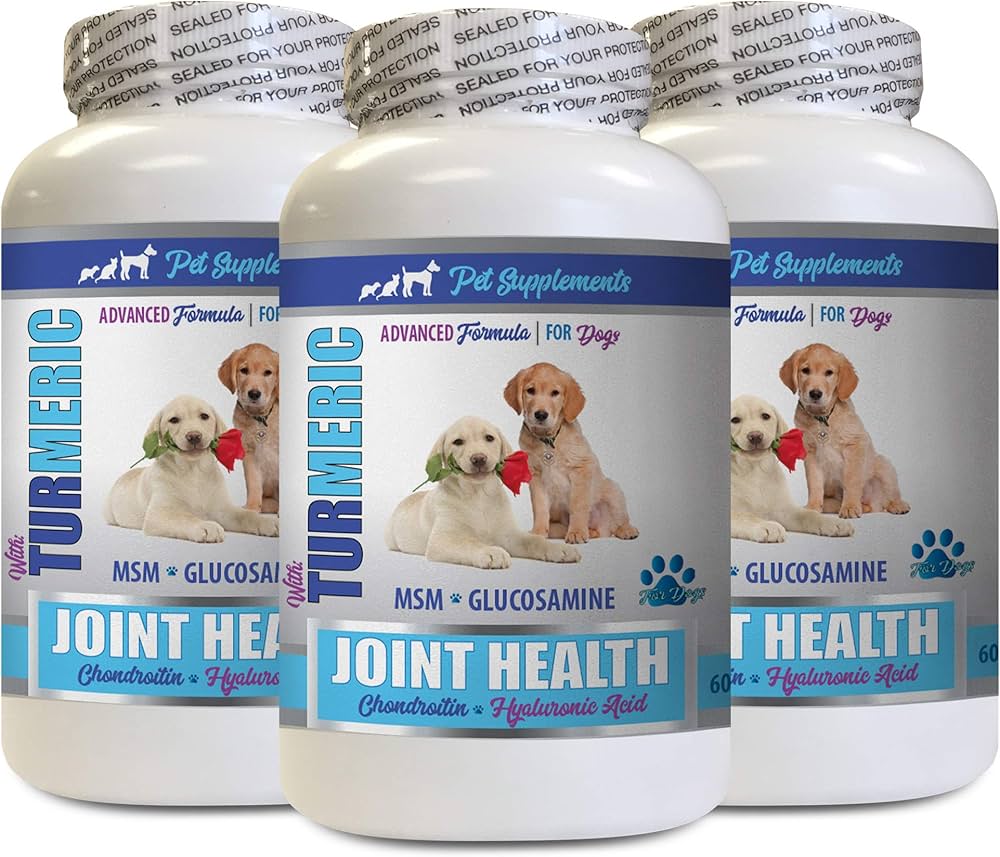
- Joint Supplements: Formulated to support healthy joints, these often contain glucosamine, chondroitin, and MSM. They’re particularly important for senior pets or active breeds prone to joint issues, helping to reduce stiffness and improve mobility.
- Herbal Supplements: Certain herbs can provide specific health benefits. For example, milk thistle is known to support liver health, while turmeric has anti-inflammatory properties. Navigating herbal supplements requires thorough research to ensure safety and efficacy.
Great Timing for Supplementation
Establishing the right timing for introducing nutritional supplements into your pet’s diet can significantly enhance their effectiveness. Certain situations call for immediate supplementation, such as:
- During Recovery from Illness or Surgery: Pets often require additional nutrients for healing. Consult your veterinarian to identify supplements that can aid in recovery without interfering with prescribed medications.
- Transitioning to a New Diet: When switching your pet’s food, incorporating digestive aids or probiotics can help their system adjust smoothly, minimizing gastrointestinal upset.
- Seasonal Changes: Allergies can peak in certain seasons prompting a need for supplements that support skin health and immune function. Administering omega fatty acids or specific antihistamines could alleviate allergy symptoms.
- Age Considerations: As pets age, their nutritional needs often change. Senior pets may benefit from joint support supplements, while younger animals in developmental stages might require additional vitamins and minerals to support growth.
How to Safely Administer Supplements
Once you have determined the appropriate supplements for your pet, it’s essential to administer them safely and effectively. Here are some tips:
- Follow Dosage Guidelines: Pay close attention to the dosage instructions on the supplement’s label, ensuring you provide the correct amount tailored to your pet’s weight and needs. Over-supplementation can lead to toxicity.
- Be Consistent: Regularly administering supplements at the same time can establish a routine for your pet, making it easier to incorporate them into their daily diet. Consider mixing liquid supplements with food or opting for chewable treats to encourage compliance.
- Monitor Your Pet’s Response: After introducing a new supplement, observe your pet for any changes in behavior, digestion, or overall health. If you notice any adverse reactions, discontinue use immediately and consult your veterinarian.
Staying informed and proactive regarding your pet’s nutritional needs can ultimately lead to improved health outcomes and enriched quality of life. By understanding when and how to use nutritional supplements in your pet’s diet, you are taking a significant step in enhancing their overall well-being.
DISCOVER MORE: Click here to learn about the benefits
Conclusion
Navigating the world of nutritional supplements for pets can seem overwhelming, but with the right information, pet owners can enhance their furry companions’ health and vitality. Understanding the various categories of supplements—such as vitamins, omega fatty acids, probiotics, joint support, and herbal options—allows for a tailored approach to your pet’s specific needs.
Timing is equally important; giving supplements during recovery, dietary transitions, seasonal allergies, or as pets age can ensure they receive the most benefits. Additionally, safety should always be a priority. Following dosage guidelines, maintaining consistency, and monitoring your pet’s reactions will provide peace of mind as you incorporate these necessities into their diet.
Ultimately, investing in your pet’s nutritional health is not only about addressing immediate concerns but also about fostering long-term wellness. Consulting with a veterinarian can provide personalized recommendations and affirm whether supplements are the right choice for your pet’s unique health profile. By being proactive and informed, you are taking significant steps in ensuring a happier, healthier life for your cherished companion.
As you embark on this journey into the holistic care of your pet, consider exploring reputable suppliers, reading product reviews, and continuing your education on pet nutrition to stay ahead of the curve. With diligence and care, you’ll be well-equipped to support your pet’s health with the right nutritional supplements.
Related posts:
Tips for Creating Nutritious Homemade Meals for Dogs and Cats
The Role of Probiotics in Pet Nutrition
The Influence of Nutrition on the Prevention of Common Diseases in Pets
Specific Nutrition for Breeds: How to Choose the Best Diet for Your Dog or Cat
How to Deal with Food Allergies in Dogs and Cats
Homemade Food for Dogs and Cats: Benefits and Risks

Linda Carter is a writer and pet care expert specializing in pet health, grooming, and wellness. With extensive experience helping pet owners create safe, loving, and enriching environments for their animals, Linda shares her knowledge on our platform. Her goal is to empower readers with practical advice and strategies to ensure their pets thrive and lead joyful, healthy lives.