Positive Reinforcement Strategies to Modify Undesirable Behaviors in Cats

The Power of Positive Reinforcement in Cat Training
In the quest to create a peaceful home shared with our feline friends, understanding their behavior is crucial. Traditional methods often emphasize punishment for undesirable behaviors, yet these strategies can lead to fear and anxiety. Instead, utilizing positive reinforcement encourages a cat to engage in more desirable behaviors while building a trusting relationship based on mutual respect. This technique not only addresses issues but also nurtures a loving connection between owner and pet.
Common behavioral challenges faced by cat owners include:
- Scratching furniture: a natural instinct for cats, which can lead to frustration for owners.
- Litter box avoidance: often signaling a deeper issue, such as stress or health problems.
- Excessive meowing: which can stem from various factors, including boredom or a desire for attention.
- Jumping on counters: a behavior that can disrupt food preparation and sanitation.
Addressing these issues through positive reinforcement is not only effective but can also enhance the quality of life for both you and your cat. For instance, to curb the instinct to scratch furniture, providing a designated scratching post and rewarding your cat with treats or praise each time they use it can reinforce the desired behavior. Over time, your cat will learn where they are permitted to scratch, preserving your furniture and satisfying their natural instincts.
When it comes to litter box avoidance, it is essential first to identify the root cause. If the box is too dirty or placed in a noisy area, your cat may refuse to use it. Once you have addressed these environmental factors, reinforce positive interactions with the litter box by rewarding your cat with treats or a gentle pet when they use it correctly. This will help create a positive association with the litter box.
Excessive meowing can often be mitigated by engaging your cat in regular play sessions, tapping into their natural hunting instincts. Providing interactive toys and rewarding quiet moments with treats can effectively decrease loud vocalizations. Furthermore, to discourage jumping on counters, redirect this behavior by placing a comfortable perch nearby, coupled with rewards for using it instead. This way, your cat feels secure and appreciated for choosing acceptable behavior.
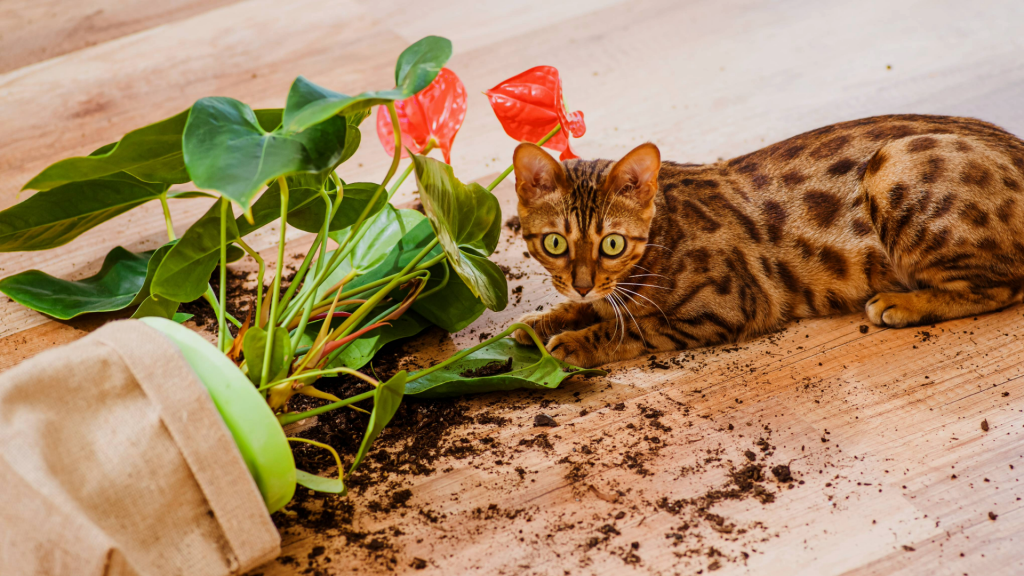
Implementing positive reinforcement not only aids in behavior modification but also fosters a deeper trust between you and your feline companion. As you navigate this journey, remember that patience is key. Each small victory paves the way toward lasting behavioral change. By focusing on rewards and understanding your cat’s motivations, you’re not just training them; you’re enriching their lives and nurturing a rewarding bond that can last a lifetime.
As you embark on this adventure of positive reinforcement, delve deeper into techniques and tips specialized for your unique cat. With time and commitment, you can transform challenges into opportunities for growth, both for your cat and your relationship with them.
DISCOVER: Click here to learn how to choose the best diet for your pet</
Effective Techniques for Positive Reinforcement in Cat Behavior Modification
The journey toward modifying undesirable behaviors in cats through positive reinforcement begins with understanding the motivations behind your cat’s actions. Cats, known for their unique personalities and elaborate behaviors, respond well to training that aligns with their natural instincts. Recognizing this can be the first step in creating a harmonious living environment. Below are several effective techniques that cat owners can employ to encourage more desirable behaviors:
1. Understand Your Cat’s Triggers
Before implementing positive reinforcement, it is crucial to identify specific triggers for your cat’s undesirable behaviors. For example, if your cat scratches the furniture, determine whether there is a lack of suitable scratching surfaces or if they might be feeling bored. A tailored approach will yield better results than generalized strategies.
2. Choosing Appropriate Rewards
Different cats are motivated by different rewards. Some may respond positively to treats, while others may prefer playtime or affection. Identifying what drives your cat will help in formulating a successful reinforcement strategy. Here are some popular reward types:
- Treats: Small, healthy snacks can be a powerful motivator for training sessions.
- Playtime: Engaging your cat in their favorite game can serve as an excellent reward.
- Affection: Many cats thrive on love and attention, making petting and praise effective rewards.
3. Timing is Everything
In the process of applying positive reinforcement, timing is critical. Immediate praise or rewards following a desired behavior reinforces the behavior more effectively. Cats have short attention spans, so delivering a treat or verbal praise right after they display good behavior helps them to make the connection.
4. Shaping Behavior Gradually
Instead of expecting immediate results, work on gradually shaping your cat’s behavior. Break down the desired behavior into smaller, manageable steps. For example, if your goal is to teach your cat to stop jumping on counters, start by rewarding them when they stay off the counter for just a few seconds. Gradually increase the time and complexity of the behavior as your cat becomes more accustomed to the new expectations.
5. Maintain Consistency
Consistency in your reinforcement strategy is vital. All household members should be on the same page regarding what behaviors are being reinforced or punished, as mixed signals can confuse your cat, making training efforts less effective. Developing a routine will also help your cat understand what to expect.
In summary, positive reinforcement is a powerful tool for modifying undesirable behaviors in cats. By understanding your cat’s triggers, choosing appropriate rewards, maintaining good timing, gradually shaping behavior, and staying consistent, you can effectively enhance your relationship with your feline companion while fostering a comforting home environment. As you explore these strategies, remember that patience is essential; building lasting behavioral changes is a gradual process that ultimately enriches both your lives.
| Category | Description |
|---|---|
| Behavior Modification | Utilizing rewards to encourage desired behaviors effectively. |
| Building Trust | Promoting a deeper bond and understanding between owner and cat. |
| Consistency | Establishing reliable routines that help the cat learn what to expect. |
| Reduced Stress | Creating a calm environment that encourages positive behavior instead of fear or anxiety. |
One of the most significant advantages of employing positive reinforcement strategies in modifying undesirable behaviors in cats is the aspect of behavior modification. By offering a reward, such as treats or praise, when the cat engages in desirable behaviors, owners can effectively guide their pets toward positive actions. This technique not only helps in correcting behaviors but also fosters a happier environment for both the cat and the owner.Moreover, utilizing these strategies can immensely contribute to building trust between the cat and its owner. Understanding that good behavior leads to positive outcomes strengthens their bond and improves communication. This bond is crucial as cats are inherently independent creatures, often exhibiting behaviors that may seem undesirable to their human companions. Consistency is another key element. Establishing a reliable routine where positive reinforcements precede desirable behaviors helps the cat grasp what is expected of them. This structured approach significantly enhances the effectiveness of behavioral training.Lastly, implementing positive reinforcement reduces stress in both the cat and the owner. By focusing on rewards rather than punishment, an atmosphere of mutual respect and calmness is established, encouraging the cat to engage in more desirable behaviors without the negative associations often linked with traditional training methods. In essence, positive reinforcement not only modifies behavior but enriches the overall relationship between cats and their humans.
DIVE DEEPER: Click here to learn more about probiotics in pet nutrition
Advanced Strategies for Implementing Positive Reinforcement
As cat owners embark on their journey to modify undesirable behaviors through positive reinforcement, they may discover that implementing advanced strategies can further enrich the experience for both their feline companions and themselves. Building upon the foundations of understanding triggers and maintaining consistency, the following techniques can prove beneficial in achieving effective behavior modification:
6. The Use of Clicker Training
Clicker training is an excellent method that utilizes a distinct sound to signal to the cat that they have performed the desired behavior. This technique not only provides immediate feedback but also helps the pet owner distinguish between correct and incorrect actions. To begin, acquire a handheld clicker and associate the sound with rewards by clicking and giving a treat simultaneously. Once your cat understands the association, you can start using the clicker to reinforce a desired behavior. This method is particularly popular in the United States, reflecting its effectiveness in various animal training contexts.
7. Environment Modification
Sometimes, the key to promoting good behavior lies in the environment itself. Modifying your cat’s surroundings to accommodate their instincts can navigate them towards suitable behaviors naturally. For instance, providing a diverse array of scratching posts located in preferred areas can deter your cat from scratching furniture. Similarly, creating vertical spaces, such as cat trees or shelves, can give them the platform they need to explore and play, reducing the chances of undesirable behavior stemming from boredom or frustration.
8. Utilizing Treat Dispensing Toys
Engagement is crucial in keeping your cat satisfied and reducing problem behaviors. Introducing treat-dispensing toys serves a dual purpose: they challenge your cat mentally while rewarding them physically. These toys require your cat to work for their favorite treats, engaging their natural hunting instincts. The satisfaction derived from problem-solving within a structured timeframe keeps your cat busy, reducing unwanted behaviors due to excess energy or boredom. Additionally, incorporating these toys into your cat’s daily routine can escalate their excitement toward training sessions.
9. Incorporating Training into Daily Routines
Connecting your cat’s training with daily routines can seamlessly integrate positive behavior reinforcement into their lives. For instance, aspiring to reward your cat every time they come to you when called not only reinforces that behavior but also enhances their recall skills over time. This method encourages better interactions and creates a stronger bond between you and your feline friend. Simple actions like rewarding your cat for using the litter box or allowing handling during grooming sessions can yield significant improvements in behavior.
10. Monitoring and Adjusting Your Approach
A keen observance of your cat’s responses to the reinforcement strategies is essential. Each cat has a unique personality and may respond differently to various techniques. Keep a diary to monitor what works and what does not; if a particular method isn’t yielding the anticipated results after a reasonable time, be prepared to adapt and try a different approach. This flexibility is critical for maintaining motivation and encouraging continued progress in your cat’s behavior modification journey.
Incorporating these advanced strategies into your behavior modification toolkit not only enriches the training process but also strengthens the bond between you and your cat. Embracing the challenge with creativity and patience opens new avenues for understanding your feline companion, leading to lasting positive changes in their behavior. As you explore these opportunities, remember that each small success contributes to a happier and healthier household for both you and your pet.
LEARN MORE: Click here to discover effective training methods
Conclusion
In the pursuit of creating a harmonious environment for both yourself and your feline companion, positive reinforcement strategies have emerged as a cornerstone in successfully modifying undesirable behaviors in cats. Understanding the principles of this approach not only encourages desired actions but also fosters a deeper bond between pet and owner. By focusing on immediate feedback, such as through methods like clicker training, you can provide clear signals to your cat, reinforcing good behavior effectively.
Moreover, the importance of environment modification cannot be overstated. By converting your living space into a more accommodating one, such as incorporating scratching posts or vertical climbing options, owners can inherently steer their cats toward more appropriate behaviors. Engaging methods, like treat-dispensing toys and integrating training into daily routines, further enhance your cat’s emotional well-being while redirecting their energy from mischievous antics to fun problem-solving tasks.
Ultimately, adapting your strategies to suit your cat’s unique personality through careful observation fosters continual progress. As each cat responds differently, flexibility in your approach allows for an exploratory journey in behavior modification. Embrace the process and celebrate every small victory, knowing that you are contributing to a happier, healthier household. With commitment and creativity, the endeavor to modify your cat’s behaviors through positive reinforcement can transform your shared life into a more joyful experience. As you embark on this venture, remember—the bond you create with your cat today can blossom into a beautiful relationship for years to come.
Related posts:
The Effectiveness of Behavioral Training in Dog Breeds with Aggressive Tendencies
The Importance of Behavioral Training for Adopted Dogs
How Behavior Training Can Improve the Relationship between Pets and Children
How Behavioral Training Can Help Reduce Anxiety in Pets
The Importance of Behavioral Training in Preventing Aggression in Dogs
How Stress and Anxiety Affect Pets' Behavior During Training

Linda Carter is a writer and pet care expert specializing in pet health, grooming, and wellness. With extensive experience helping pet owners create safe, loving, and enriching environments for their animals, Linda shares her knowledge on our platform. Her goal is to empower readers with practical advice and strategies to ensure their pets thrive and lead joyful, healthy lives.