Proper Nutrition: The Role of Diet in the Prevention of Diseases in Pets
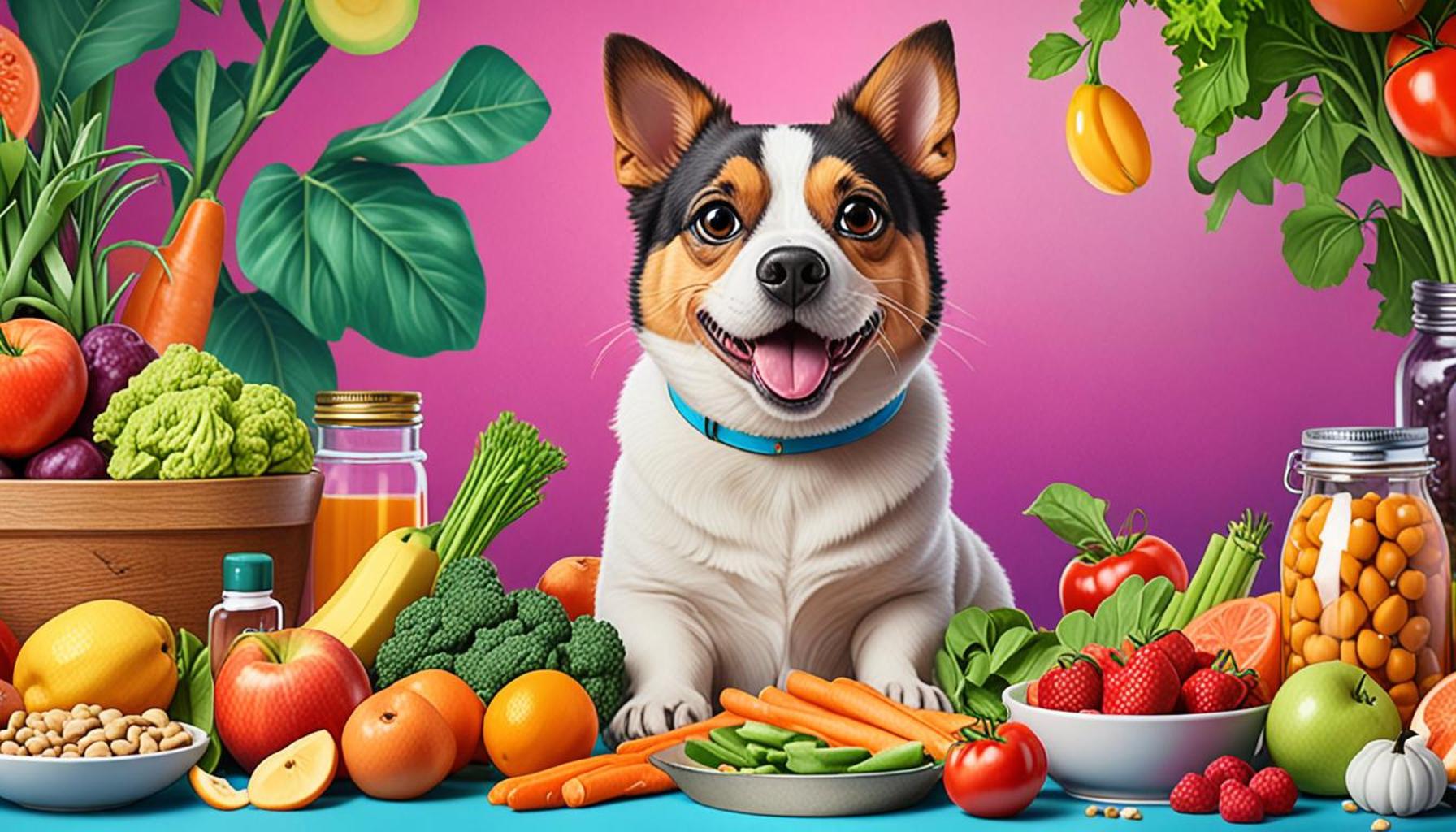
Understanding the Importance of Proper Pet Nutrition
For pet owners, ensuring the health of their canine and feline companions transcends simple care routines. Besides regular veterinary check-ups and adequate exercise, proper nutrition forms the cornerstone of a healthy lifestyle for pets. A balanced diet can profoundly influence various aspects of a pet’s health, from energy levels to longevity. When you think about it, what goes into their food bowl can determine their overall quality of life.
One of the staggering realities facing pet owners today is the rising rates of diet-related health issues. For instance, consider these alarming statistics: approximately 60% of cats and 56% of dogs in the United States are deemed overweight or obese. This vast number is concerning, not only for their current health but also because obesity can unleash a host of other medical complications.
Health Risks Associated with Poor Nutrition
Specific dietary choices play a pivotal role in escalating the risk of various conditions, including:
- Obesity: It can lead to severe complications such as joint problems, decreased mobility, and even certain types of cancers.
- Diabetes: The incidence of diabetes among pets is steadily increasing as their diets become more processed and carbohydrate-heavy.
- Heart disease: Nutritionally poor foods can contribute to heart conditions, particularly in breeds predisposed to cardiac issues.
- Arthritis: Maintaining a healthy weight can ease the stress on joints, reducing inflammation and pain in older pets.
The Role of Nutrition in Pet Health
As the trend of pet ownership continues to rise in America, so too does the awareness regarding pet nutrition. Research underscores the overwhelming evidence that the right nutrition can lead to a longer, healthier life for your beloved pets. A diet rich in high-quality proteins, healthy fats, vitamins, and minerals can bolster their immune systems, assist in maintaining a healthy body weight, and even enhance their overall mood and behavior.
Moreover, understanding the unique dietary needs of different breeds is essential. For example, larger dog breeds often require a diet formulated to promote joint health due to their predisposition to hip dysplasia. Likewise, certain breeds of cats may have specific dietary requirements, such as a higher protein content to support their natural hunting instincts.

In conclusion, the nutritional choices you make for your pet can have lasting impacts on their health. By investing time in researching and understanding proper pet nutrition, you are not just feeding them but nurturing them for a healthier life. Are you ready to take that next step towards ensuring the well-being of your furry friend? Let’s dive deeper into the world of pet nutrition and unveil its critical role in disease prevention.
DON’T MISS: Click here to discover more about your pet’s nutritional needs
Transformative Power of Dietary Choices
The undeniable connection between diet and health outcomes is not limited to humans; our pets are equally affected by what they consume. In recent years, numerous studies and expert opinions have brought to light the critical role of proper nutrition not only in maintaining pet health but also in the prevention of diseases. A well-rounded diet tailored to the specific needs of different species and breeds can significantly reduce the risk of ailments as diverse as obesity, diabetes, and heart disease.
So what constitutes proper pet nutrition? The answer is not as straightforward as you might think. Many pet owners are often misled by marketing claims that promote “well-balanced” diets without truly defining what that means nutritionally. Quality food should primarily focus on protein as a vital ingredient, followed by healthy fats, carbohydrates, and an array of vitamins and minerals. This balance ensures that your pet receives the essential nutrients required for optimal health.
Key Nutritional Components
When examining the elements that contribute to a pet’s health, several core components emerge:
- High-Quality Proteins: These serve as the building blocks for muscle, tissue repair, and overall growth. Choosing a diet with good protein sources—like chicken, fish, or beef—is crucial for vitality.
- Healthy Fats: Essential fatty acids aid in the absorption of fat-soluble vitamins and help maintain a glossy coat and healthy skin. Omega-3 and Omega-6 fatty acids are particularly beneficial.
- Fruits and Vegetables: While pets are primarily carnivorous, incorporating small amounts of fruits and veggies can provide important fiber, antioxidants, and additional vitamins that contribute to preventing chronic conditions.
- Vitamins and Minerals: These micronutrients support a wide range of physiological functions, from immune health to bone strength. A lack of specific vitamins can accelerate age-related issues.
Moreover, it’s vital to assess your pet’s unique needs based on their age, size, activity level, and specific health conditions. For instance, puppies and kittens require higher protein and caloric intake than their adult counterparts. Likewise, senior pets may benefit from a diet lower in calories but higher in fiber to facilitate healthy digestion and weight management.
As pet owners, being informed about the appropriate nutrition for our furry friends allows us to take proactive measures in their health management. Investing in quality pet food goes beyond just filling a bowl; it is a commitment to enhancing their life quality and longevity. Understanding the devastating health implications of poor nutritional habits can empower us on the journey toward a better dietary path for our beloved pets.
| Advantage | Description |
|---|---|
| Balanced Nutrients | Proper nutrition provides essential vitamins, minerals, and amino acids, which are vital for pets’ overall health. |
| Disease Prevention | A well-planned diet helps minimize risks of chronic diseases, such as obesity and diabetes, promoting longevity. |
| Weight Management | Tailored meal regimens help in maintaining an ideal weight, reducing the strain on joints and organs. |
| Improved Immune Function | A balanced diet fortifies the immune system, allowing pets to better fend off diseases and infections. |
Proper nutrition plays a fundamental role in enhancing the quality of life for pets and can significantly impact their health outcomes. Pets thrive on a diet rich in essential nutrients, which aid in their growth and energy levels. Moreover, the importance of dietary variety cannot be overstated, as offering different proteins, grains, and vegetables caters not just to their taste preferences but also to their nutritional needs.For instance, increasing the intake of omega-3 fatty acids supports skin health and can reduce inflammatory conditions. Likewise, ensuring a sufficient supply of antioxidants through fresh fruits and vegetables can protect against cellular damage, enhancing pets’ health resilience.As pet owners become more aware of the connection between diet and diseases, they are increasingly exploring options such as holistic or home-cooked meals, which can be tailored precisely to their furry companions’ unique requirements. This growing trend emphasizes not just the prevention of health issues but also the quest for optimal wellness throughout the pet’s life.The emphasis on nutrition opens a pathway for pet owners to take proactive measures in medical management by balancing diet with regular veterinary visits, ensuring pets remain at their best. The link between their food choices and pets’ health outcomes offers an intriguing avenue for exploration, promising an intriguing depth to pet care knowledge.
DIVE DEEPER: Click here for effective strategies
The Impact of Obesity and Metabolic Disorders
One of the most pressing issues facing domestic pets today is obesity. According to the Association for Pet Obesity Prevention, nearly 60% of dogs and approximately 55% of cats in the United States are classified as overweight or obese. This condition is not merely a cosmetic concern; it is a significant contributor to various health problems, including diabetes, joint disease, and cardiovascular issues. A balanced diet can play a pivotal role in preventing these debilitating conditions.
Metabolic disorders, such as diabetes mellitus, are increasingly diagnosed in pets, and poor nutrition is often a central factor. In these cases, the body either becomes resistant to insulin or fails to produce enough insulin to regulate blood sugar levels. Diets rich in high-quality protein, low in simple carbohydrates, and supplemented with fiber can help manage blood sugar levels. For instance, incorporating whole grains and legumes into a pet’s diet can slow digestion and promote healthier glucose metabolism.
The Role of Preventative Nutrition in Chronic Diseases
Proper nutrition extends its benefits beyond just weight management. It plays a significant role in preventing chronic diseases that commonly afflict pets as they age. Diseases like kidney failure, liver disease, and cancer can often be better managed—and in some cases, prevented—through a diet tailored to the pet’s specific health needs. For instance, pets with kidney disease may benefit from reduced protein intake combined with specialized prescription diets that limit phosphorus and high-quality protein sources. Such measures can extend their lives and improve their quality of life.
Furthermore, antioxidant-rich foods can be invaluable allies in combating the aging process and reducing the risk of cancer. Foods such as blueberries, carrots, and leafy greens are packed with antioxidants that can help neutralize free radicals, harmful compounds that contribute to cellular damage. Consciously including these foods in a pet’s daily meals encourages long-term wellness.
Understanding Ingredient Labels and Marketing Claims
With pet food brands flooding the market with enticing labels and health claims, pet owners must become savvy consumers. Many commercial pet foods tout being “grain-free” or “high-protein,” yet this does not necessarily guarantee that they meet your pet’s nutritional needs. It’s essential to decipher ingredient labels carefully, checking for identifiable sources of protein, the absence of ambiguous ingredients, and nutritional adequacy statements from the Association of American Feed Control Officials (AAFCO). This organization sets guidelines to ensure that pet foods meet minimum nutritional standards that can help prevent diseases associated with poor nutrition.
Many pet owners may also consider preparing home-cooked meals for their pets, which can offer greater control over their nutrition. However, it’s vital to consult with a veterinarian or a pet nutritionist to formulate a diet that incorporates the essential nutrients tailored to the individual pet’s needs.
In a world inundated with choices, understanding the implications of nutrition on health is more important than ever. Whether selecting commercial pet food or exploring homemade options, the goal remains the same: to provide the best dietary foundation possible for our pets, thereby reducing the risk of diseases and enhancing their overall well-being.
DISCOVER MORE: Click here for expert tips on homemade meals for your pets
Conclusion
As we navigate the intricate landscape of pet health, it becomes increasingly clear that proper nutrition is a cornerstone in the prevention of diseases among our beloved companions. A well-balanced diet not only combats the rising tide of obesity but also addresses other metabolic disorders that frequently plague our pets, such as diabetes and organ dysfunction. By focusing on nutrient-dense foods and being discerning about ingredient labels, pet owners can take proactive measures to ensure their pets lead healthier lives.
Moreover, the significant role of dietary choices in the management and prevention of chronic diseases—such as kidney failure and cancer—cannot be overstated. A diet rich in antioxidants and tailored to meet specific health needs can not only enhance the quality of life for aging pets but may also prolong their lifespan. It is vital for pet owners to educate themselves on the nutritional requirements specific to their pet’s breed, age, and health status, to make informed feeding decisions.
In a society filled with misleading marketing claims, the onus falls on pet owners to advocate for their pets’ health. Engaging with veterinarians and pet nutritionists can illuminate the path toward making sound dietary choices that can stave off illnesses. In conclusion, embracing proper nutrition is not merely a task for pet owners; it is a responsibility that can significantly influence the well-being and longevity of our cherished furry friends. By prioritizing their diets today, we can ensure a healthier tomorrow for our pets.
Related posts:
The Influence of Environmental Enrichment on Pets' Behavior and Well-Being
The Impact of Cognitive Stimulation on Pet Behavior
The Importance of Socialization in the Mental Health of Dogs and Cats
Special Care for Senior Animals: How to Extend Your Pet's Life
The Importance of Parasite Prevention in Pets: Essential Methods and Care
Strategies for Dealing with Separation Anxiety in Dogs and Cats

Linda Carter is a writer and pet care expert specializing in pet health, grooming, and wellness. With extensive experience helping pet owners create safe, loving, and enriching environments for their animals, Linda shares her knowledge on our platform. Her goal is to empower readers with practical advice and strategies to ensure their pets thrive and lead joyful, healthy lives.