The Effectiveness of Behavioral Training in Dog Breeds with Aggressive Tendencies
Understanding Aggression in Dogs
Unruly behavior in dogs can often be traced back to underlying issues that require thoughtful intervention. Unfortunately, aggressive tendencies can manifest in various breeds, leading to potential danger for both the dogs and those around them. Identifying the root causes is essential for determining the best course of action. This understanding not only aids owners in managing their pets but also promotes safer interactions with the wider community.
Why Behavioral Training Matters
Behavioral training focuses on positive reinforcement and consistent routines. It aims to address undesirable behaviors through strategies such as:
- Socialization: Gently introducing dogs to various environments and stimuli. This can include exposure to different people, sounds, and other animals, which helps reduce fear-related aggression.
- Desensitization: Gradually exposing dogs to triggers that may provoke aggression. For instance, if a dog reacts aggressively to other dogs while on a leash, carefully controlled encounters can help the dog learn to remain calm in such situations.
- Positive Reinforcement: Rewarding desirable behaviors to encourage their repetition. Offering treats, praise, or play when a dog engages positively with others reinforces good behavior.
Many dog owners are unaware of how effective structured training can be, especially for certain breeds prone to aggression, such as:
- American Pit Bull Terriers
- Rottweilers
- German Shepherds
These breeds often face societal stigma, which can exacerbate their behavioral issues if not addressed early on. Owners must realize that with the appropriate training and socialization, even these breeds can thrive as loving and well-adjusted companions.
Breaking Down Misconceptions
It is crucial to debunk myths surrounding aggressive dog breeds. Not all dogs of specific breeds are inherently dangerous; rather, their behavior can be significantly influenced by training, environment, and socialization. For example, statistics show that less than 30% of dog bites in the United States are attributed to aggressive breed types. Many cases stem from poorly managed interactions rather than the dog’s breed itself. Exploring the successful implementations of behavioral training may provide insight that could transform an aggressive pup into a devoted companion, propelling dog owners to take a closer look at proven methods.
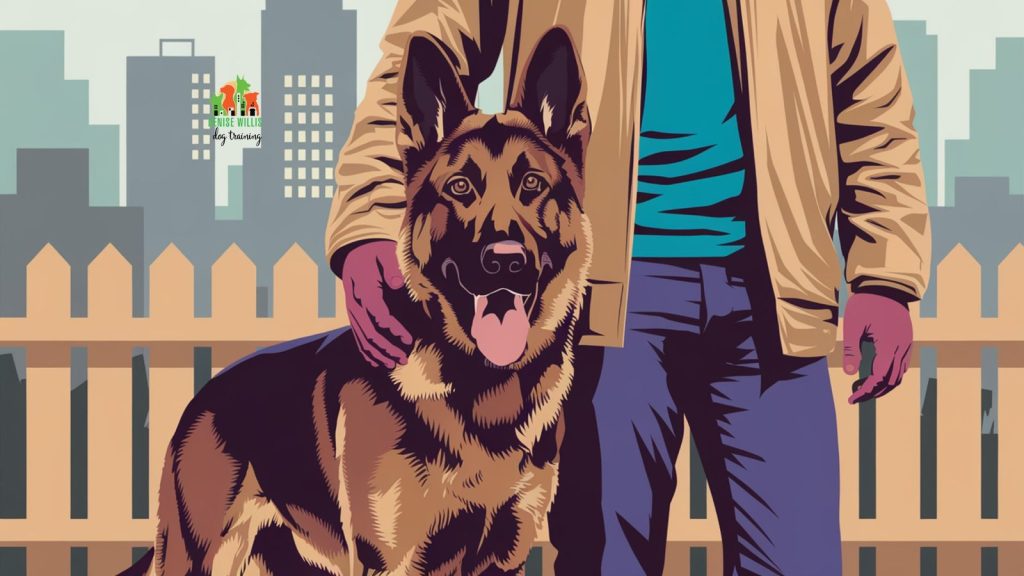
Moreover, community resources, such as local dog training classes and veterinary behaviorists, can provide support and education for owners struggling with aggression. By fostering an understanding of these aspects, dog owners can contribute to a safer environment for their pets and the community while enhancing their quality of life. Everyone deserves a chance to understand and improve their dog’s behavior, allowing for the nurturing bond between humans and dogs to flourish.
DIVE DEEPER: Click here to learn about behavioral training for puppies
Recognizing the Signs of Aggression
Before delving into the effectiveness of behavioral training, it is imperative to recognize the signs of aggression in dogs. Common indicators of aggressive behavior can vary widely among breeds and individual dogs. Understanding these signs allows owners to intervene early and seek professional guidance if necessary. Behavioral signs of aggression may include:
- Growling or Snarling: Vocalizations typically signal discomfort and the potential for aggression.
- Barred Teeth: A dog showing its teeth without a playful demeanor may be warning others to stay away.
- Stiff Body Posture: A rigid stance often indicates that a dog is preparing to act aggressively.
- Raised Hackles: When a dog’s fur along its back stands up, it can signify a heightened state of alertness and potential aggression.
- Direct Staring: Prolonged eye contact can be a sign that a dog is feeling threatened or challenged.
For owners of breeds known to exhibit aggressive tendencies, such as American Pit Bull Terriers, Rottweilers, and German Shepherds, recognizing these warning signs is vital. By addressing behavioral issues early on, owners can take proactive measures to mitigate aggression rather than reactively respond after incidents occur.
The Role of Positive Interactions
Central to effective behavioral training is the promotion of positive interactions. Dogs are highly social creatures; thus, establishing a trustworthy bond between the owner and the dog is paramount. Positive reinforcement, which has gained traction in dog training methodologies, leverages rewards rather than punishment to encourage desirable behaviors. This technique is not only effective in reducing aggressive tendencies but also fosters a deeper relationship between dogs and their human companions.
Some successful applications of positive reinforcement strategies include:
- Training Sessions: Short, frequent training sessions that incorporate games and rewards can help transform a dog’s behavior.
- Command Reinforcement: Teaching commands like “sit” or “stay” using treats can establish control and authority without coercion.
- Playtime: Engaging in playful activities also reinforces trust, making dogs feel secure and less defensive.
Moreover, the challenges faced by specific breeds must be met with tailored training approaches. For example, certain breeds may demonstrate a stronger inclination toward territorial behavior, necessitating specific strategies to address such issues effectively. By implementing behavioral training techniques that consider the unique characteristics of each breed, owners can better safeguard their dogs and the community from potential aggressive incidents.
The convergence of understanding a dog’s aggressive tendencies and employing structured behavioral training creates a fertile ground for transformation. This comprehensive method not only benefits the individual dog but also paves the way for a more harmonious existence within the community, potentially shattering the stigma associated with aggressive dog breeds.
The Importance of Behavioral Training
Behavioral training plays a pivotal role in managing and tempering aggressive tendencies in various dog breeds. By leveraging positive reinforcement techniques, owners can cultivate better behavior, enhancing communication between the dog and its handler. Training sessions should be structured to gradually introduce the dog to new environments, social situations, and stimuli, enabling a comprehensive understanding of appropriate behaviors.
Understanding Aggression in Dogs
Aggression is often a complex issue influenced by genetics, environment, and past experiences. Certain breeds, such as Rottweilers or Pit Bulls, may naturally exhibit more intense protective instincts. However, it’s crucial to recognize that aggressive behavior often stems from fear or insecurity rather than inherent malice. Consequently, behavioral training targeting this underlying fear can yield substantial improvements and foster a calmer demeanor.
Positive Reinforcement Techniques
Employing positive reinforcement methods—from treats to praise—helps reinforce desirable behaviors. For instance, when a dog displays calm behavior around other dogs, rewarding this behavior encourages the dog to repeat it. Training not only improves behavior but also strengthens the bond between the pet and the owner, creating a trusting relationship that further mitigates aggression.
Benefits of Behavioral Training
Behavioral training offers a plethora of advantages for dog owners dealing with aggressive tendencies. First, it reduces aggressive outbursts, ensuring a safer environment for both the dog and its community. Additionally, trained dogs are more adaptable to various environments, making outings less stressful for owners and their pets. Such training also enhances the dog’s confidence level, allowing it to navigate encounters with other animals and people calmly.Fostering a well-behaved dog through consistent behavioral training is a proactive step that can ultimately lead to a happier and healthier life for both the pet and its owner, paving the way for enriching interactions and social experiences.
| Advantage | Description |
|---|---|
| Enhanced Safety | Behavioral training significantly reduces aggressive incidents, ensuring a safer environment for both dogs and people. |
| Improved Socialization | A well-trained dog is more adaptable to various social contexts, leading to more enjoyable outings with their owners. |
DISCOVER MORE: Click here to learn about how social media can help rescued animals
Addressing Aggressive Behaviors through Structured Training
Working with dogs that exhibit aggressive tendencies is not merely about curbing unwanted behaviors; it demands a comprehensive understanding of canine psychology and a tailored approach to training. Different breeds often come with a unique set of instincts and tendencies that dictate their behavior, especially when feeling threatened or anxious. This understanding is crucial for implementing effective behavioral training methods.
Understanding Triggers: One of the foundational steps in behavioral training is recognizing the specific triggers of aggression in a dog. These triggers can vary widely and may encompass lack of socialization, fear-based responses, or even genetic predispositions. For instance, a German Shepherd might react aggressively due to protective instincts, especially if they perceive a threat toward their family. Keeping a training journal can help owners identify these patterns and work systematically to address them.
Desensitization Techniques: A common and effective behavioral training technique is desensitization. This involves gradually exposing the dog to their specific triggers in a controlled manner, allowing the dog to become more accustomed to the presence of such stimuli without feeling threatened. For example, if a dog is aggressive toward unfamiliar people, a gradual introduction process where the dog is rewarded for calm behavior can significantly reduce anxious responses over time. The goal is to create positive associations with the triggers, transforming fear and aggression into calmness and curiosity.
Counseling and Support: Sometimes, the path to overcoming aggression involves seeking assistance from professionals. Certified dog trainers and behaviorists can offer expert guidance tailored specifically to aggressive dog breeds. These professionals can provide insight into behavioral modification techniques that may involve advanced methods like operant conditioning, where specific rewards are tied directly to desired behaviors. Joining support groups or attending classes designed for aggressive dogs can also facilitate learning and provide a supportive network for owners.
The Importance of Consistency and Patience
Consistency is vital when training any dog, but it is especially crucial for breeds prone to aggression. Owners must ensure that all family members are on the same page regarding training commands, rules, and reinforcement strategies. Mixed signals can confuse the dog and potentially escalate aggression. Establishing a consistent routine not only reinforces learning but also builds a sense of security for the dog.
Moreover, patience plays an equally significant role in the transformation process. Behavioral modifications often take time, and setbacks can occur. Owners should remain committed to their training programs, understanding that progress may be gradual. Celebrating small victories along the way fosters a sense of achievement for both the dog and the owner.
Long-term Commitment: Implementing behavioral training effectively requires a long-term commitment. It is essential to view dog training as an ongoing journey rather than a one-time fix. The skills and patience developed through this process not only benefit the individual dog but can also change the perception of aggressive breeds within their community. Helping aggressive dogs become well-mannered companions enhances the quality of life for both the dogs and their owners.
In the end, with appropriate behavioral training techniques, dedication, and a proper understanding of each dog’s unique needs, it is entirely possible to navigate the challenges of aggression in dog breeds effectively. The journey may seem daunting, but the potential for positive change is not only achievable but also deeply rewarding for both dogs and their human companions.
LEARN MORE: Click here to discover effective socialization techniques
Conclusion
In conclusion, behavioral training emerges as a powerful tool in addressing the aggressive tendencies often observed in various dog breeds. By understanding the underlying factors that contribute to aggression, from triggers to environmental influences, owners can effect meaningful change in their dogs’ behavior. The implementation of structured training techniques, especially through desensitization and positive reinforcement, showcases the dogs’ potential for transformation. Each small step towards building trust and calmness can lead to significant behavioral improvements.
Moreover, engaging with professional trainers and community support can amplify success rates, offering invaluable advice tailored to individual dog needs. Consistency and patience remain cornerstones in this journey, allowing owners to establish clear communication and expectation while navigating the complexities of canine behavior. It’s essential to recognize that training is an ongoing process; a commitment to continuous learning and adaptation holds the key to long-lasting success.
As the perception of aggressive breeds evolves, fostering well-trained, sociable dogs can contribute significantly to their overall integration into society. By taking the necessary steps toward effective behavioral training, families can not only improve the lives of their dogs but also create safer, more harmonious environments. This commitment transforms both the canine and human experience, proving that with determination and knowledge, the road to a well-mannered companion is attainable for every owner, regardless of their dog’s breed.
Related posts:
How Behavioral Training Techniques Can Help in Puppy Socialization
Behavioral Training Techniques to Help Elderly Animals Adapt to New Situations
How Behavioral Training Techniques Can Help Pets Adapt to New Homes
The Importance of Behavioral Training in Preventing Behavior Problems in Pets
The Influence of the Environment on Pets' Behavior and Their Reactions to Training
How Behavior Training Can Improve the Relationship between Pets and Children

Linda Carter is a writer and pet care expert specializing in pet health, grooming, and wellness. With extensive experience helping pet owners create safe, loving, and enriching environments for their animals, Linda shares her knowledge on our platform. Her goal is to empower readers with practical advice and strategies to ensure their pets thrive and lead joyful, healthy lives.