The Impact of Pets on Reducing Loneliness in Seniors
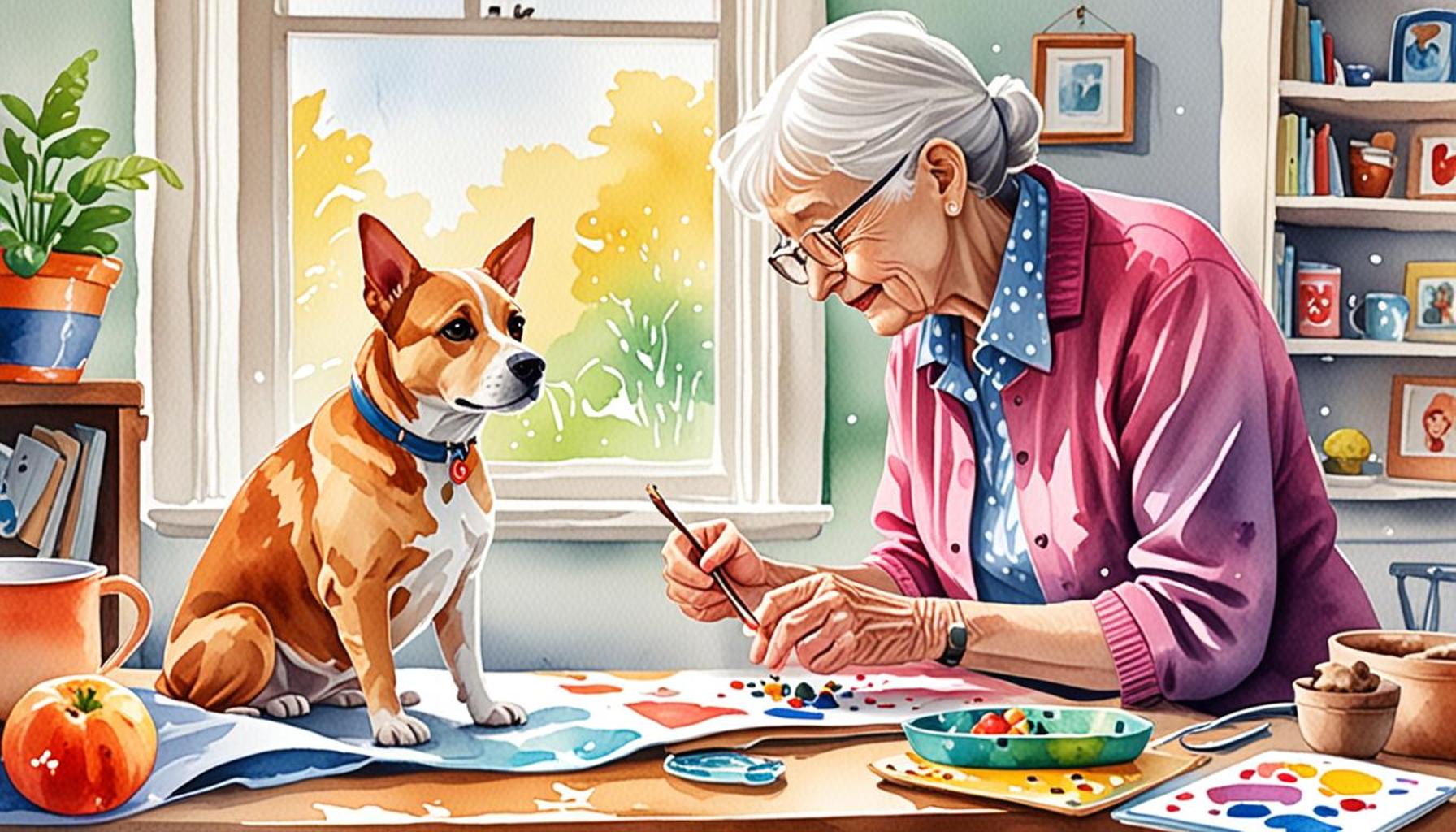
The Positive Impact of Pets on Senior Loneliness
As we navigate through life, especially in our golden years, the dynamics of our social landscape can change dramatically. Many seniors find themselves living alone due to death, retirement, or relocation, leading to a surge in feelings of loneliness and isolation. It is here that the presence of pets can provide not just companionship but a profound transformation in a senior’s daily life.
Companionship is one of the most significant advantages of pet ownership. A loyal dog wagging its tail or a cat purring contentedly can create an atmosphere of warmth and love. Pets become more than just animals; they become family members that share a unique bond with their owners. For many seniors, this bond alleviates feelings of loneliness by providing consistent emotional support. For instance, a senior who spends their days with a dog can engage in play and affection, creating a rich experience that counters solitude.
Physical Activity also plays a crucial role in maintaining a senior’s health. Engaging in daily routines such as walking a dog not only promotes exercise but also encourages seniors to venture outside, connect with nature, and even meet new people along the way. A simple walk can turn into a social event when other dog owners stop to chat, enhancing social interactions and fostering community ties. Moreover, the American Heart Association reports that physical activity helps reduce the risk of chronic diseases, ultimately improving overall wellness.
Another important attribute of pet ownership is its ability to provide emotional support. Numerous studies have shown that pets can reduce feelings of anxiety, depression, and stress. The presence of a furry friend can lead to higher levels of serotonin and dopamine, neurotransmitters associated with feelings of happiness. For example, a study from the Journal of Personality and Social Psychology reveals that seniors with pets expressed greater life satisfaction compared to those without. The simple act of petting a dog can send calming signals to the brain, creating a serene environment.
Moreover, the responsibility of caring for a pet instills a sense of purpose in seniors. Routine activities such as feeding, grooming, and exercising a pet necessitate consistency, which is often lacking in a solitary lifestyle. This renewed sense of responsibility can encourage seniors to engage with other pet owners, promoting socialization and a sense of community. In a world where loneliness can easily take hold, these interactions can be incredibly uplifting.
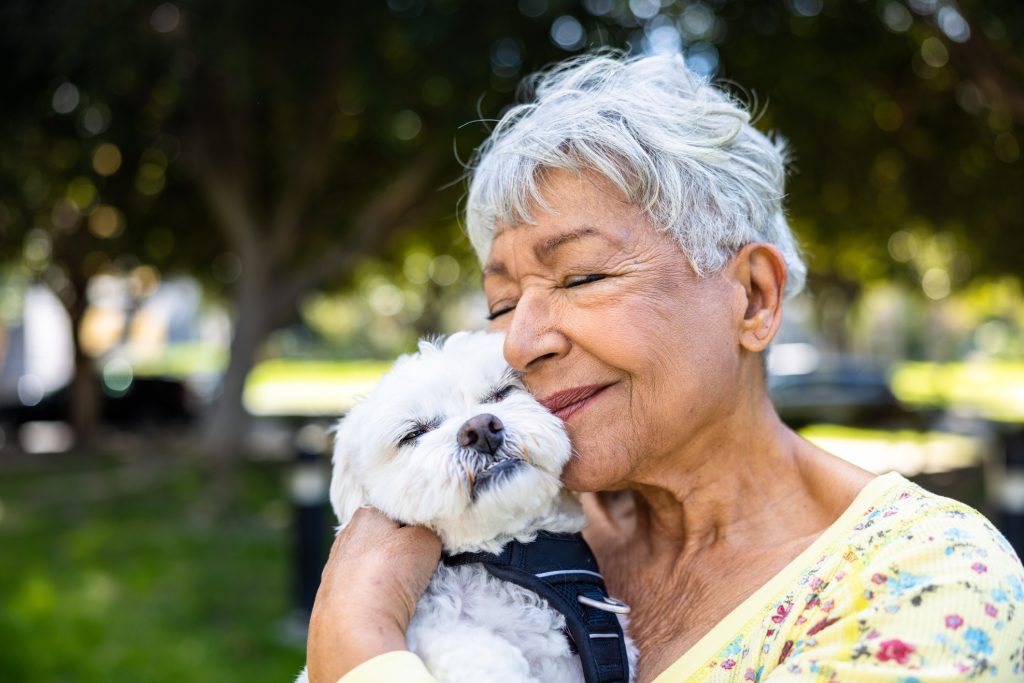
As we further examine the profound impact that pets have on combating loneliness among seniors, countless heartwarming stories and growing evidence underscore the transformative power pets possess. From therapy animals that visit nursing homes to programs designed to pair seniors with animals in need of homes, the message resonates loud and clear: pets can play an instrumental role in enhancing the quality of life for older adults.
In conclusion, pet ownership serves as a vital tool in alleviating loneliness among seniors. The companionship, physical activity, and emotional support pets offer, combined with the sense of responsibility they create, illuminate a path toward fulfilling lives for older adults. Through these meaningful relationships, seniors not only find joy in their everyday routines but also foster new connections that enrich their lives and combat isolation.
DISCOVER MORE: Click here to learn about the emotional benefits of adopting a rescue animal
Fostering Connections Through Pet Ownership
As highlighted, chronic loneliness among seniors can take a significant toll on both mental and physical health. Thus, the question arises: How can pet ownership effectively counteract this pervasive issue? Beyond simple companionship, pets are a powerful catalyst for fostering social connections, encouraging physical activity, and enhancing overall emotional well-being in older adults.
One of the most compelling benefits of having a pet is how they naturally encourage social interaction. When seniors take their pets for walks or visit local parks, they often find themselves engaging in conversations with fellow pet owners or interested passersby. This spontaneous socialization can lead to new friendships formed over shared interests. Here are some notable ways pets contribute to increased social connections:
- Community Events: Many communities host pet-centric events, such as dog shows, pet fairs, or training classes. These gatherings provide excellent opportunities for seniors to meet others and engage in group activities.
- Local Pet Groups: Membership in pet clubs or groups—like dog-walking clubs—can help seniors bond over their shared love for animals and establish a local support network.
- Neighbors and Fellow Pet Owners: Pets serve as great icebreakers. A friendly conversation about a dog’s unique behavior or a cat’s antics can easily spark lasting connections with neighbors.
In addition to facilitating new friendships, the presence of a pet can also promote significant mental health benefits. The act of caring for a pet can create structure and purpose in a senior’s life, which might otherwise feel aimless. Engaging in pet care routines can lead to improved mood and a sense of accomplishment. Research from the National Institutes of Health has shown that pet owners experience reduced levels of loneliness and a lower risk of depression.
Moreover, engaging with pets requires attentiveness and nurturing instincts, which can contribute to better emotional regulation. Studies have demonstrated that being around animals can reduce cortisol levels—the hormone associated with stress—and increase oxytocin, promoting feelings of bonding and affection. For the elderly, having a pet serves as a daily reminder of responsibility and care, something that can be vital during times of life transitions.
It is essential to note, however, that pet ownership comes with its own set of responsibilities. For seniors considering adding a furry companion to their lives, it’s crucial to evaluate factors such as physical ability to care for an animal, daily routines, and whether they would benefit from a low-maintenance pet. Counseling through pet adoption centers can help seniors find the ideal match for their lifestyle.
As we explore further the multifaceted benefits of pet ownership, a clearer picture emerges of how deep the impact of a pet can be on reducing loneliness among seniors. As they provide companionship, promote social interaction, and foster a sense of purpose, pets play a pivotal role in helping older adults build a fulfilling and connected life.
| Aspect of Pet Ownership | Benefits to Seniors |
|---|---|
| Companionship | Pets provide constant companionship, which can significantly reduce feelings of isolation and loneliness among seniors. |
| Emotional Support | Pets can offer emotional stability; their presence is known to release oxytocin, often referred to as the “love hormone,” enhancing mood and well-being. |
| Physical Activity | Caring for a pet encourages physical activity through walks and playtime, which are crucial for maintaining health and combating depression. |
| Social Interaction | Pets can be a catalyst for social interactions, as seniors often connect with other pet owners, which fosters community engagement and friendships. |
The impact of pets on seniors is immense, particularly in the realm of mental and emotional health. Research has illustrated that interactions with pets can lower blood pressure and promote heart health. Therefore, introducing a pet into the life of an elderly individual could be a pivotal step not only towards reducing loneliness but also enhancing their overall quality of life.
DISCOVER MORE: Click here for additional insights
Therapeutic Benefits of Animal Companionship
Beyond fostering social connections, pets offer profound therapeutic benefits that actively contribute to alleviating loneliness in seniors. A growing body of research supports the notion that animal companionship can lead to various enhancements in physical health and emotional stability. Engaging with pets can serve as a form of therapy, providing vital support for seniors navigating the complexities of aging.
One striking example is the role pets play in promoting physical activity. Research has shown that seniors who own dogs tend to engage in more regular exercise, such as walking or playing. The mere presence of a pet encourages spontaneity; taking a dog for a walk not only contributes to cardiovascular health but also fulfills the essential need for movement that can be lost with age. According to a study published in the journal Gerontology, pet ownership is linked to higher levels of physical fitness, which in turn can enhance mobility and reduce the risk of chronic conditions like heart disease or obesity among older adults.
The therapeutic effects of pet ownership extend into the realm of emotional health as well. Scientific studies have established that simply petting a cat or dog can trigger the release of neurotransmitters such as serotonin and dopamine, which help boost mood and overall emotional resilience. Furthermore, the National Center for Health Research indicates that seniors with pets experience lower levels of anxiety and depression. The routine of caring for a pet creates a sense of purpose, leading to daily accomplishments that can combat feelings of isolation.
Additionally, pets can serve as a comforting presence, aiding in reducing feelings of anxiety and fear that often accompany loneliness. For many seniors, the world can feel increasingly daunting as they face changes in mobility, health, and social networks. The unconditional love and companionship provided by pets create a safe space, offering emotional support when other aspects of life may feel uncertain. A recent survey conducted by the American Association of Retired Persons (AARP) found that 78% of seniors reported feeling more relaxed when spending time with their pets, emphasizing the calming effects of animal companionship.
It’s worth highlighting that therapy animals have been making waves in a variety of settings, especially in assisted living facilities and nursing homes. Programs that incorporate visits from therapy animals have shown remarkable results in reducing depression and enhancing social interactions among seniors. An initiative by the Pet Partners organization has reported that participants in pet therapy programs exhibited marked improvement in mood and a decrease in loneliness symptoms.
Considering the myriad benefits of pet ownership, the choice of pet type also plays a significant role. Hybrids, such as cats or smaller dog breeds, may present a more manageable option for seniors who may have limitations in mobility or energy. Furthermore, many animal rescue organizations offer programs matching seniors with senior pets— an ideal scenario as these animals often require less intense activity and may already possess the calming demeanor that seniors seek.
As we delve deeper into the impacts of pets on reducing loneliness in seniors, the evidence underscores an undeniable truth: animals not only enrich lives; they also play a vital role in enhancing emotional health and fostering connection. By providing companionship, supporting physical activity, and offering therapeutic comfort, pets become indispensable allies in combating loneliness among older adults.
DISCOVER MORE: Click here to learn how behavioral training can ease your pet’s transition
Conclusion
In summary, the impact of pets on reducing loneliness in seniors is both profound and far-reaching. Through the lens of companionship, emotional stability, and physical health, pets emerge as critical allies in the lives of older adults. With the therapeutic benefits of animal companionship increasingly supported by scientific research, it becomes clear that pets serve not just as animals but as vital sources of joy and comfort. As highlighted in various studies, seniors engaging with animals often experience enhanced physical fitness, reduced anxiety, and a newfound sense of purpose.
The evidence suggests that integrating pets into the lives of seniors holds strong potential for improving overall well-being, effectively combating loneliness that can accompany aging. From promoting physical activities, such as walking, to providing unconditional affection, pets offer a unique solution to enhancing social interactions and emotional health among older adults. Programs that facilitate pet therapy in assisted living facilities and matching seniors with suitable pets can lead the way towards building fulfilling relationships that mitigate feelings of isolation.
As we continue to explore the intricate relationship between pets and senior citizens, we find ourselves confronted with a rich tapestry of experience. The undeniable bond between humans and their animal companions invites us to consider the next steps in encouraging responsible pet ownership, supporting animal rescue programs, and advocating for therapy animal initiatives. Indeed, the heartwarming stories of seniors and their pets remind us that it is often the small, seemingly simple connections that can lead to significant changes in quality of life. Ultimately, in a world where loneliness can feel overwhelming, pets may just hold the key to unlocking happiness for seniors.
Related posts:
The Importance of Socializing Pets for Mental and Physical Health
The Influence of Pets on the Recovery from Chronic Diseases
The Importance of Regular Exercise for the Mental Health of Dogs and Their Owners
The Role of Pets in Promoting Outdoor Physical Activities for Their Owners
How the Presence of Pets Can Reduce Stress and Anxiety
The Importance of Animal-Assisted Therapy in Mental Health

Linda Carter is a writer and pet care expert specializing in pet health, grooming, and wellness. With extensive experience helping pet owners create safe, loving, and enriching environments for their animals, Linda shares her knowledge on our platform. Her goal is to empower readers with practical advice and strategies to ensure their pets thrive and lead joyful, healthy lives.