The Importance of Behavioral Training in Preventing Behavior Problems in Pets

The Importance of Behavioral Training in Pet Ownership
Every pet owner aspires to have a well-behaved companion. However, many overlook the vital role that behavioral training plays in achieving this goal. Without proper training, pets can develop a range of issues that not only affect their quality of life but also strain the owner-pet relationship. A well-structured training program can turn the tide, transforming a troubled pet into a reliable and cherished family member.
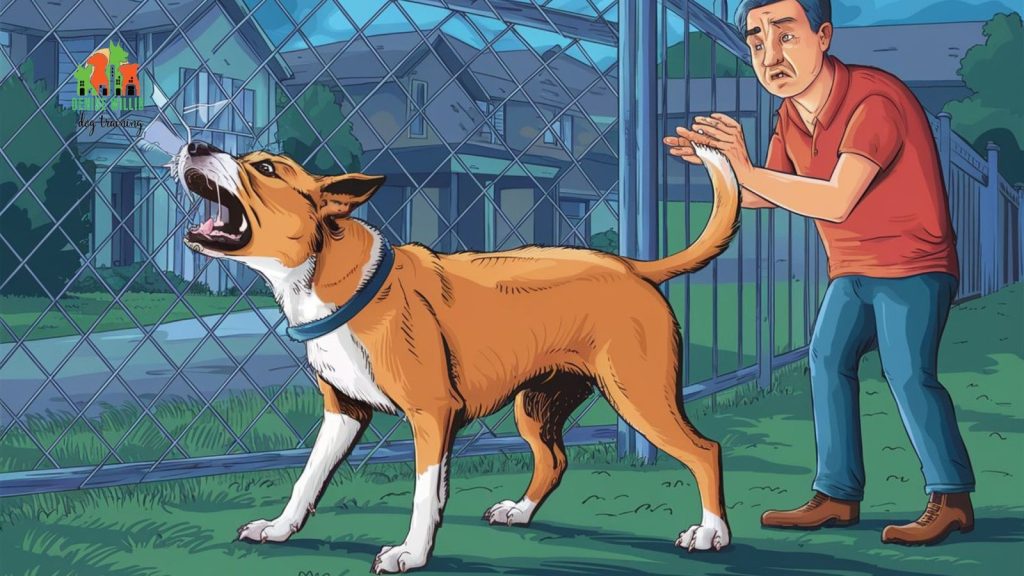
Behavior problems in pets can manifest in various ways. For instance, excessive barking or meowing can disrupt a peaceful household, lead to complaints from neighbors, and create a stressful environment for both the pet and the owner. Destructive chewing or scratching is another common issue, as pets may seek entertainment or alleviate boredom through behaviors that damage furniture or personal belongings. Similarly, house-soiling incidents can result from a lack of training, creating hygiene issues that can burden the entire household. Lastly, aggressive behavior towards other animals or humans poses serious safety risks, making it imperative for owners to address these issues promptly.
These challenges highlight the need for effective behavioral training methods. Such training not only addresses existing problems but also serves as a preventative measure against future issues. For example, regularly teaching a dog to respond to commands can prevent the development of aggressive tendencies, while consistent litter training for cats can reduce the chances of house-soiling incidents.
By investing in behavioral training, pet owners can expect several benefits:
- Improved communication between pet and owner: Training makes it easier for pets to understand directives and signals from their owners, fostering a harmonious living environment.
- A safer and more enjoyable environment for everyone involved: Well-trained pets pose fewer risks and lead to less chaos at home, allowing families to relax and enjoy their time together.
- Strengthened bonds and reduced anxiety in pets: Engaging in training activities can enhance the connection between pets and their owners, while helping pets feel more secure in their environment.
As we explore the intricacies of behavioral training, you’ll discover how fostering positive behaviors can lead to happier pets and more harmonious homes. Training goes beyond mere obedience; it cultivates an understanding and mutual respect that strengthens the relationship between pets and their owners. Understanding these training methods is essential for any responsible pet owner striving for a strong, healthy relationship with their furry friends.
Moreover, resources such as local obedience classes, online training courses, and the guidance of behavioral specialists can provide valuable support. The journey toward a well-behaved pet not only enhances the lives of pets but also enriches the emotional well-being of owners, creating a fulfilling companionship that lasts a lifetime.
DISCOVER MORE: Click here to learn how diet impacts your pet’s lifespan.
Understanding Behavioral Training: The Cornerstone of a Happy Pet
Behavioral training is not merely a set of commands for pet owners to teach their beloved animals; it is a comprehensive approach to nurturing the emotional and psychological well-being of pets. When approached correctly, training can preemptively address many behavioral issues that arise as pets grow and adapt to their environments. By establishing structured routines and positive reinforcement techniques, owners can significantly diminish the likelihood of problematic behavior manifestations in their companions.
One of the fundamental aspects of behavioral training is the concept of positive reinforcement. This method highlights rewarding good behavior rather than punishing undesirable actions. Studies have shown that pets, especially dogs, respond better to rewards—such as treats, praise, or playtime—rather than negative feedback. For example, a study conducted by the American Society for the Prevention of Cruelty to Animals (ASPCA) has demonstrated that animals trained with positive reinforcement are not only more obedient but also exhibit lower levels of anxiety and stress. This supportive environment fosters a sense of security, allowing the pet to thrive.
Moreover, consistency is key in behavioral training. Training sessions must be regular and persistent, ensuring that pets can grasp the expected behaviors over time. A 2020 survey conducted by pet industry experts indicated that nearly 60% of pet owners reported improved behavior in their pets when they committed to a consistent training schedule. Such discipline enables pets to learn faster and assimilate the desired commands, thus preventing the escalation of behavioral issues that might arise from misunderstandings or lack of clarity.
Another critical aspect of functional behavioral training is the establishment of clear boundaries. Pets, much like children, thrive on understanding what is acceptable behavior and what is not. For instance, teaching a dog to refrain from jumping on guests or informing a cat that scratching furniture is off-limits can prevent escalation into more significant issues. Without proper limits, pets may engage in disruptive behaviors simply because they do not recognize them as inappropriate. A well-structured approach to training includes:
- Defining rules: Clearly articulating what behaviors are acceptable can prevent confusion.
- Setting expectations: Training pets in realistic and achievable tasks fosters a sense of accomplishment for both the pet and the owner.
- Using age-appropriate commands: Understanding that puppies and kittens have different learning curves allows for tailored training that is more effective.
As pet owners embark on the journey of behavioral training, it is essential to understand that the process is not just about correcting bad habits; it is equally about shaping positive behaviors that lead to a cohesive environment. By prioritizing effective training methods, pet owners can enjoy the memorable experiences that arise from a well-behaved pet, transforming what could be a challenging relationship into a joyful companionship.
| Category | Details |
|---|---|
| Behavior Modification | Utilizes positive reinforcement techniques to alter undesired behaviors in pets, promoting a harmonious living environment. |
| Enhanced Communication | Establishes a clear understanding between pet and owner, leading to a more trusting relationship and reduced behavioral issues. |
Behavioral training is not merely a luxury; it is a necessity for any pet owner desiring a well-adjusted companion. Effective training reduces the risk of behavioral problems that can lead to stress within the household. For instance, many pet owners report a marked decrease in issues such as excessive barking, chewing, or aggression after implementing training strategies aimed at behavior modification. When pets understand what is expected of them, it significantly lessens frustrating situations that could escalate into more serious problems.Furthermore, by enhancing communication between pet and owner, behavioral training fosters a robust foundation of trust and respect. The skills acquired during training sessions benefit not just the animals but also the humans involved, creating a more pleasant living environment. With the right approach, even previously misunderstood behaviors can be redirected into positive actions, paving the way for a fulfilling relationship that benefits both parties. As we delve deeper into this topic, it becomes increasingly clear that the advantages of behavioral training extend beyond mere obedience; they touch the essence of how we coexist with our beloved pets.
LEARN MORE: Click here for essential tips on preventive health care for your pets
Enhancing Communication and Strengthening Bonds Through Training
Behavioral training in pets also extends beyond mere obedience—it’s a significant element in enhancing communication between pets and their owners. Just as humans thrive on effective communication to build meaningful relationships, pets also benefit immensely from understanding their owners and being understood in return. By utilizing clear verbal cues and body language during training sessions, pet owners can build a stronger bond with their animals, resulting in reduced anxiety and frustration on both sides.
Paw-sitive interactions during training can lead to a more harmonious living environment. A study by the Journal of Veterinary Behavior highlights that pets trained with consistent commands and signals tend to display less aggression and stress-related behaviors. Dogs, for example, gain a sense of confidence and clarity when they know what is expected of them. This improved communication helps pets feel less insecure, diminishing the likelihood of behaviors such as barking, destructiveness, or separation anxiety.
In addition to communication, training plays a vital role in socialization—a necessary process for all pets, particularly for young animals. Proper socialization involves exposing pets to various environments, people, and other animals in a controlled manner, allowing them to learn appropriate behaviors in diverse situations. Experts from the American Kennel Club emphasize that early socialization can help prevent behavioral issues like fearfulness and aggression later in life. For instance, a well-socialized dog is less likely to display hostility towards new visitors or other dogs, creating a significantly more enjoyable experience for everyone involved.
Moreover, training can act as an excellent preventive measure against common behavioral problems. For example, a recent report from the ASPCA notes that approximately 30% of dogs and 40% of cats will develop behavioral issues at some point in their lives if not properly trained. These issues can range from destructive chewing to urination problems. Early intervention through behavioral training techniques, therefore, addresses these concerns proactively, effectively reducing the total number of pets requiring behavioral therapy later on.
- Structured Environments: A well-structured training program can provide the necessary framework for positive interactions, helping pets know when and where certain behaviors are appropriate.
- Redirecting Negative Behaviors: Instead of punishing a pet for misbehaving, training can redirect their energy towards acceptable outlets, such as teaching them to fetch or engaging them in interactive playtime.
- Long-term Benefits: The skills learned through training not only help in addressing immediate behavioral issues but also lay down a foundation for future learning and adaptability in new scenarios.
Finally, pet owners should also be aware that behavioral training is a lifelong commitment. Regular refreshers, involvement in advanced training classes, or participation in agility or obedience competitions can further reinforce good behavior, transform training into an enjoyable activity, and keep the pet continually engaged. This sustained attention to behavioral training fosters a continually evolving relationship between pets and owners, reducing misunderstandings and reinforcing a bond built on mutual respect.
DISCOVER MORE: Click here to learn helpful techniques
Conclusion: Building a Life of Harmony and Understanding
In summary, behavioral training is not merely an option for pet owners; it is an essential foundation for fostering a harmonious relationship with their animals. By investing time and effort into training, pet parents not only mitigate the risk of future behavioral problems but also cultivate a deeper understanding and connection with their pets. Studies consistently show that well-trained pets exhibit fewer aggression-related behaviors, helping to create a serene and safe atmosphere for both pets and their human companions.
Furthermore, socialization and consistent training offer lifelong benefits, equipping pets to navigate various environments with confidence and reducing the likelihood of fear-based responses. The clear communication established through training empowers pets, making them feel secure in their surroundings and understanding their roles in the family dynamic. Such an environment can significantly diminish destructive behaviors and anxiety-related issues, making for a smoother coexistence.
As we venture into the responsibilities of pet ownership, it becomes clear that behavioral training is a critical investment in our furry friends’ well-being. Pet owners should not only initiate this process early on but also recognize the importance of maintaining it throughout their pets’ lives. Regular training sessions, engaging activities, and social interactions can continually reinforce good behavior, paving the way for a joyful and fulfilling companionship.
Ultimately, the importance of behavioral training in preventing behavior problems in pets cannot be overstated. It lays down a vital framework that benefits both pets and owners, transforming potential challenges into rewarding experiences. By approaching training as an ongoing journey of discovery and understanding, pet owners can significantly enhance their pets’ quality of life, fostering a relationship built on love, respect, and trust.
Related posts:
Behavior Training Strategies for Aging Pets
How Pet Behavior Impacts Owners' Mental Health
The Importance of Behavioral Training for Adopted Dogs
How Behavioral Training Can Improve the Relationship between Pet Owners and Their Pets
The Role of Behavioral Training in Preventing Behavioral Problems in Puppies
Behavioral Training Methods to Increase Obedience in Specific Dog Breeds

Linda Carter is a writer and pet care expert specializing in pet health, grooming, and wellness. With extensive experience helping pet owners create safe, loving, and enriching environments for their animals, Linda shares her knowledge on our platform. Her goal is to empower readers with practical advice and strategies to ensure their pets thrive and lead joyful, healthy lives.