The Importance of Socialization in the Mental Health of Dogs and Cats
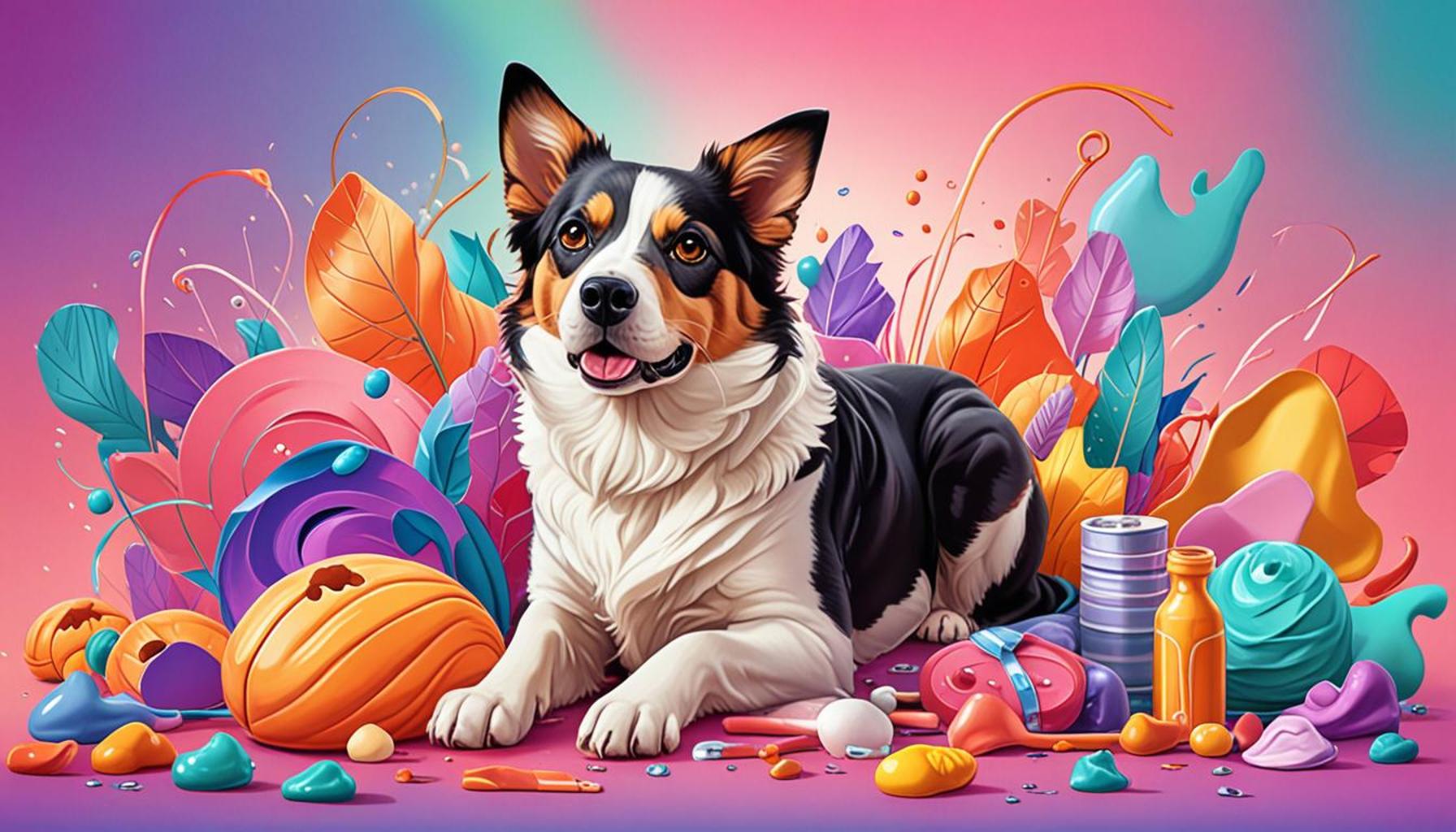
The Importance of Socialization for Pets
Socialization is more than just a buzzword; it is a foundational component in ensuring the mental health and well-being of our beloved pets. For both dogs and cats, the early experiences they encounter with their surroundings, including people and other animals, can dramatically influence their behavior and emotional stability throughout their lives.
Without proper socialization, pets are likely to encounter a range of challenges that can hinder their ability to thrive in various environments. For instance, they may develop increased anxiety when faced with new experiences, whether it’s encountering unfamiliar noises, visiting new places, or meeting new people or animals. This heightened anxiety can lead to physical manifestations of stress, such as excessive barking, destructive behavior, or even self-harm.
Moreover, socializing pets can help mitigate behavioral issues that often arise in unsocialized animals. Aggression stemming from fear is a common concern among pet owners, as is excessive withdrawal or shyness. Well-socialized pets often exhibit healthier interactions with both humans and other animals, significantly reducing the likelihood of these issues occurring. Conversely, animals that lack social experiences may struggle with difficulties in training or adapting to changes. This may lead to frustration for both the pet and the owner, making it essential to address socialization needs early on.
Research has consistently shown that well-socialized animals are better equipped to handle stressors in their environments. They develop essential social skills, including communication and appropriate play behaviors, which contribute to a balanced and fulfilled life. For example, dogs that interact regularly with other dogs and people learn to read social cues, which can make them more adaptable and less likely to react aggressively or fearfully in new situations.
In the United States, awareness surrounding the critical importance of early socialization is growing. Responsible pet owners are increasingly encouraged to introduce their dogs and cats to various experiences during their formative months. Local puppy and kitten classes, dog parks, and community organized play dates provide excellent venues for these interactions. Additionally, incorporating socialization into a pet’s daily routine—such as taking dogs for walks in bustling neighborhoods or exposing cats to different environments safely—can lead to lasting benefits.
As we explore the various strategies and benefits associated with effective socialization for dogs and cats, we can uncover practical insights that will enhance their mental health and elevate their overall quality of life. Ensuring pets are well-socialized not only enriches their daily experiences but also fosters strong bonds with their human companions, resulting in a happier, more harmonious home.
DISCOVER MORE: Click here to learn how pets can boost children’s confidence
Understanding the Impact of Socialization on Pets
To appreciate the significance of socialization in the mental health of dogs and cats, it is essential to delve into how pets communicate and interact with the world around them. Socialization involves exposing pets to a multitude of experiences, environments, sounds, people, and other animals in a positive way. This process helps animals understand their surroundings and fosters a sense of security. When pets are introduced to diverse stimuli during their early developmental stages, they are likely to grow into well-adjusted adults.
Research indicates that early socialization plays a vital role in shaping an animal’s personality. For example, according to the American Veterinary Society of Animal Behavior, puppies should begin socialization as young as three to four weeks of age, while kittens can benefit from similar exposure around the same timeframe. Engaging with different species, including humans and other pets, helps dogs and cats develop stable emotional and behavioral skills. The absence of such interactions can lead to long-term behavioral problems.
The Behavioral Challenges of Unsocialized Pets
Without proper socialization, pets often exhibit a variety of challenges that can impact their mental health. Common behavioral issues stemming from lack of social engagement include:
- Aggression: Unsocialized animals may react defensively when encountering unfamiliar individuals or situations.
- Fear-based behaviors: Exposure to new experiences can be daunting for unsocialized pets, leading to fearfulness, anxiety, or panic reactions.
- Destructive behaviors: Pets struggling with anxiety may resort to chewing, digging, or other forms of destruction when feeling overwhelmed.
- Increased dependency: Unsocialized pets may become overly reliant on their owners, leading to separation anxiety when left alone.
Effective socialization can help shield pets from these potential challenges. Animals that are frequently exposed to different environments learn to trust and adapt to change, enabling them to navigate unexpected situations with confidence. It also encourages the development of appropriate play behavior and communication skills, making daily interactions smoother and more enjoyable.
Furthermore, studies show that socialized pets often display more confidence, which correlates with lower levels of stress and anxiety. For example, well-adjusted dogs not only enjoy their interactions with people and other dogs but are also less likely to develop phobias related to loud noises, crowded places, or other common stressors. These aspects of socialization bolster a pet’s emotional health and foster a sense of well-being.
As we continue to explore the multifaceted advantages of socialization, it becomes evident that early exposure to various experiences is key to nurturing happier, healthier pets. These interactions not only benefit the animals themselves but also enhance their relationships with pet owners, paving the way for more fulfilling companionships.
| Advantage | Description |
|---|---|
| Increased Confidence | Socialization helps dogs and cats develop a sense of security, reducing anxiety in new situations. |
| Better Behavioral Traits | Proper exposure to different stimuli enhances social skills, leading to fewer behavioral issues. |
Socialization is a crucial part of a pet’s early development, directly impacting their mental health. When dogs and cats are introduced to varied environments, people, and other animals during their formative months, they become less fearful and more adaptable. This critical phase lays the groundwork for a well-adjusted pet, which can contribute positively to their owners’ lives. Moreover, pets that socialize effectively are more likely to experience reduced stress levels during routine activities, such as vet visits or during encounters with unfamiliar dogs. The benefits extend beyond mere interaction, as a socially engaged pet is statistically more likely to exhibit healthy behavioral patterns, thus fostering a peaceful coexistence within the household or community. Understanding the role of socialization also encourages pet owners to prioritize these experiences, setting the stage for a lifetime of emotional resilience and happiness for their furry companions. With this knowledge, pet parents can engage in strategies that promote confidence, ultimately leading to more fulfilling relationships with their beloved animals.
DON’T MISS: Click here to learn more about keeping your pets healthy
The Benefits of Structured Socialization Programs
One of the most effective ways to ensure that pets receive proper socialization is through structured socialization programs. These programs are designed to provide a safe and controlled environment where both dogs and cats can interact with various stimuli and other animals under the guidance of trained professionals. Facilities often offer puppy and kitten classes, which focus on essential socialization experiences, including meeting new people and other pets, exposure to different sounds and environments, and even basic obedience training.
In fact, a study conducted by the University of Pennsylvania School of Veterinary Medicine highlighted the positive outcomes associated with structured socialization programs. The findings showed that pets who participated in these classes were less likely to exhibit behavioral issues as adults compared to those who were not socialized. For example, dogs enrolled in group training sessions often develop better communication skills with both humans and their canine peers, reinforcing the fundamental aspects of social behavior.
The Role of Play in Mental Well-Being
Within structured socialization programs, the element of play serves as a significant factor in promoting the mental health of dogs and cats. Play is not just a means of entertainment; it is a vital avenue through which pets can learn social cues, establish boundaries, and develop their cognitive skills. Engaging in play with other animals helps them understand how to communicate effectively, fostering healthier interactions in diverse settings.
Moreover, play can help relieve stress and anxiety in pets. Like humans, animals experience a sense of joy and satisfaction from playful activities, leading to the release of endorphins that improve their mood. Owners may notice that after a play session, their pets exhibit signs of relaxation and contentment, further showcasing the importance of regular socialization and interaction.
Utilizing Enrichment Activities for Cats
While much attention is often placed on the socialization of dogs, it’s crucial to recognize that socialization is equally essential for cats. Unlike their canine counterparts, cats might require different approaches to socialization. Activities such as interactive play sessions, puzzle toys, and even cat cafes provide opportunities for cats to explore and engage with their environment while also interacting with other animals and people.
Enrichment activities not only elevate a cat’s mood but also help curb undesirable behaviors that stem from boredom or anxiety. The American Association of Feline Practitioners emphasizes that stimulating environments foster emotional well-being, encouraging cats to feel secure and confident within their homes and beyond. Therefore, cat owners should actively seek opportunities to expand their feline friend’s horizons through various forms of engagement.
The Role of Responsible Ownership
It is important to underline that responsible pet ownership includes initiating and maintaining socialization efforts throughout an animal’s life. Frequent outings, positive interactions with new people, and varied experiences contribute to sustained mental health benefits. By actively exposing pets to routines and environments found in everyday life, owners empower their animals to be adaptable and resilient.
The responsibility of ensuring mental well-being lies not solely within early socialization but extends into a commitment to continuous opportunities for growth. Every interaction can serve as a gradual stepping stone towards a harmonious relationship—one that satisfies both the pets’ natural instincts and the emotional needs of both animals and owners.
DISCOVER MORE: Click here to learn about the best nutrition for your pet</p
Conclusion
In conclusion, the vital role of socialization in the mental health of both dogs and cats cannot be overstated. As we have explored, structured socialization programs not only lay the groundwork for a pet’s ability to interact positively with the world around them but also significantly reduce the likelihood of behavioral issues later in life. The benefits of engaging in social settings, whether through play or enrichment activities, foster cognitive and emotional well-being, leading to happier and more balanced pets.
Moreover, the emphasis on responsible pet ownership reflects the ongoing commitment required to ensure that animals thrive in ever-changing environments. Incorporating regular socialization and varied experiences throughout a pet’s life enriches their mental health, enhancing their adaptability and resilience. It’s a twofold relationship; as owners cultivate socialization opportunities, they simultaneously witness the blossoming of trust and companionship with their beloved pets.
Understanding the importance of socialization empowers pet owners to make informed decisions that significantly impact their animals’ quality of life. From engaging in structured programs and fostering playful interactions to providing stimulating environments, the pathway toward a well-rounded, emotionally secure pet is clear. By prioritizing these aspects, we can contribute to a future where our dogs and cats not only coexist but thrive in a world full of diverse stimuli and experiences, ultimately reinforcing the bond between humans and their four-legged companions.
Related posts:
Strategies for Caring for Elderly Animals: Tips to Extend Quality of Life
The Influence of Environmental Enrichment on Pets' Behavior and Well-Being
The Role of Pet Animals in Rehabilitation Therapy: How They Help in Patient Recovery
Preventive Health Care for Pets: Vaccination and Regular Check-ups
Natural Feeding for Pets: Benefits and Challenges in Pet Diets
The Importance of Socialization for the Well-Being of Pets

Linda Carter is a writer and pet care expert specializing in pet health, grooming, and wellness. With extensive experience helping pet owners create safe, loving, and enriching environments for their animals, Linda shares her knowledge on our platform. Her goal is to empower readers with practical advice and strategies to ensure their pets thrive and lead joyful, healthy lives.