The Influence of Environmental Enrichment on Pets’ Behavior and Well-Being
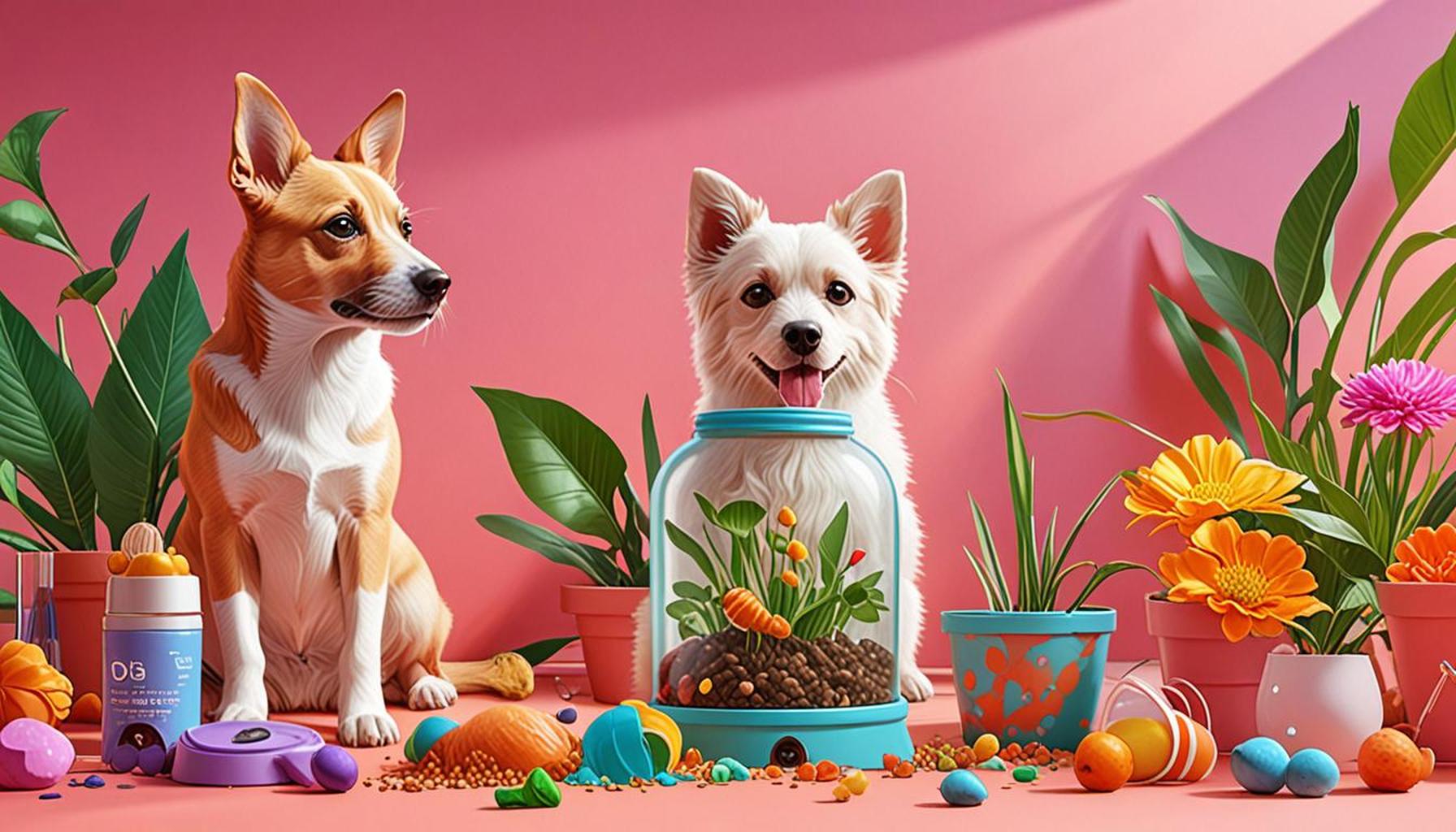
Understanding Environmental Enrichment
The well-being of pets extends beyond basic care; it encompasses their behavioral health as well. One of the essential factors influencing this is known as environmental enrichment. This concept involves enhancing pets’ surroundings to promote mental and physical stimulation. An enriched environment is crucial for fostering happier, more balanced pets, allowing them to grow and thrive in their various settings, whether that be at home or in communal spaces.
Environmental enrichment can take various forms, each designed to cater to the natural instincts and needs of pets:
- Toys: Engaging toys that challenge a pet’s problem-solving skills are vital. For example, a dog might enjoy a Kong toy filled with peanut butter, which requires them to manipulate it to get the treat inside. Cats can benefit from interactive toys that simulate hunting, such as laser pointers or feather wands.
- Interactive feeding: Puzzle feeders that make mealtime a stimulating experience can also provide mental stimulation. For instance, instead of a simple bowl, consider using a treat-dispensing ball that rewards your pet with food as they roll it around. This not only engages their mind but also helps to slow down fast eaters.
- Varied habitats: Creating different textures and settings in your home encourages exploration. Incorporate materials such as hammocks for cats or hiding spots for small animals, which taps into their instinct to seek shelter and observe their surroundings.
These enhancements can lead to remarkable changes in pets’ behavior. Studies indicate that enriched environments can:
- Reduce anxiety and stress by providing stimulating activities and a sense of security. Animals in enriched environments often exhibit fewer signs of distress, making them more well-adjusted companions.
- Prevent destructive behaviors commonly seen in bored pets, such as chewing furniture or excessive barking. With adequate mental stimulation and physical activity, pets are less likely to engage in behaviors that might frustrate their owners.
- Encourage natural behaviors, such as hunting and foraging. For instance, providing opportunities for dogs to dig in specific areas or allowing cats to climb and perch can channel their instincts in a positive direction.
As pet owners in the United States become increasingly aware of the psychological needs of their furry companions, the question arises: how can they effectively implement these enriching elements? Simple changes to one’s home can make a significant difference in a pet’s day-to-day life. For example, incorporating a variety of toys that can be rotated regularly helps maintain interest for the pet and keeps their environment fresh and exciting.
Furthermore, local pet stores and online retailers offer an expansive variety of enrichment tools, making it easier for owners to find the right items for their pets. By investing time into understanding and implementing environmental enrichment strategies, pet parents will not only improve their pets’ quality of life but will also foster a deeper bond through shared play and exploration. This article delves into the profound effects of environmental enrichment and provides insights into fostering a happier, healthier pet.
DISCOVER MORE: Click here to learn about the mental health benefits of pet adoption
How Environmental Enrichment Shapes Behavior
Environmental enrichment plays a pivotal role in shaping the overall behavior and well-being of pets. Just as humans thrive in stimulating environments, pets require similar engagement to ensure a fulfilling life. The absence of such enrichment can result in detrimental effects, leaving pets susceptible to anxiety and boredom, leading to various behavioral issues. By understanding how to create enriching environments, pet owners can significantly enhance their companions’ lives.
To appreciate the impact of environmental enrichment, it’s crucial to consider the natural behaviors and instincts of different species. For example, dogs are pack animals by nature, and their social behaviors are rooted in their need for interaction and activity. Cats, on the other hand, are hunters and require opportunities to express their predatory instincts. Ignoring these inherent needs can lead not only to frustration but also to serious physical and psychological problems.
Benefits of Environmental Enrichment
The benefits of implementing environmental enrichment strategies are substantial and can lead to a happier, healthier pet. Here are some of the key advantages:
- Enhanced Mental Stimulation: Activities that engage a pet’s mind reduce the risk of boredom. For instance, training sessions that involve learning new tricks benefit both the owner and the pet, creating a deeper bond while keeping the animal mentally agile.
- Physical Activity: Incorporating play that encourages movement, such as fetch for dogs or climbing for cats, can lead to better physical fitness and weight management. This counters the alarming rise in pet obesity reported by the Association for Pet Obesity Prevention (APOP).
- Improved Social Skills: Regular interaction with diverse environments and engaging with other pets can significantly enhance a pet’s social behaviors. Dogs, for example, greatly benefit from dog parks where they can meet and play with other dogs, learning essential social cues in the process.
- Reduced Anxiety and Stress: Structured activities and enriched environments have been shown to lower stress hormones in pets, such as cortisol. Providing a safe, stimulating space can help alleviate fears that arise from loud noises or unfamiliar visitors.
As research continues to highlight the importance of environmental enrichment, many pet owners are now exploring innovative methods to address their pets’ needs. Pet training classes, sensory toys, and even nature walks are becoming increasingly popular. Additionally, professional advice from veterinarians and animal behaviorists can guide owners to tailor enriching opportunities based on their pet’s unique preferences and personality.
Understanding the need for an engaging environment is just the beginning. Implementing enriching changes in everyday life fosters not only a more balanced pet but also enhances the emotional connection between pets and their owners. As we explore the various techniques for environmental enrichment, it’s clear that investing time in these strategies can profoundly affect pets’ overall well-being.
| Category | Advantages |
|---|---|
| Cognitive Stimulation | Enhanced problem-solving skills and increased mental agility, leading to happier pets. |
| Physical Activity | Greater opportunities for exercise through interactive play, which helps prevent obesity and related health issues. |
| Social Interaction | Improved relationships with owners and other pets, fostering a sense of security and belonging. |
| Stress Relief | Environmental enrichment can significantly decrease anxiety and fear-based behavior. |
| Behavior Modification | Encourages positive behaviors and can reduce unwanted actions such as chewing or barking. |
The implementation of environmental enrichment is a vital aspect of pet care that not only enhances the pets’ quality of life but also significantly influences their overall well-being. From cognitive stimulation to stress relief, pets benefit tremendously from engaging in enriched environments. Activities such as puzzle toys, training sessions, and varied social interactions not only engage their minds but also promote physical health.Furthermore, an enriched environment allows pets to express natural behaviors, which can lead to less frustration and reduced behavioral issues. Research has shown that dogs and cats exposed to varied stimuli experience lower levels of stress and exhibit significant improvements in mood and behavior. Thus, investing in environmental enrichment is essential for ensuring the happiness, health, and well-being of our cherished pets, making it a fundamental component of responsible pet ownership.
DIVE DEEPER: Click here to learn more
Implementing Environmental Enrichment Techniques
Creating an enriching environment for pets is not only an essential aspect of responsible pet ownership but also a rewarding endeavor that can significantly influence a pet’s behavior and well-being. Understanding the various techniques available to enhance a pet’s quality of life can empower owners to tailor experiences that match their furry companion’s unique needs.
Engaging Senses and Encouraging Exploration
One of the fundamental approaches to environmental enrichment involves engaging a pet’s senses. This can involve using sensory toys that stimulate sight, sound, smell, and touch. For instance, interactive toys that squeak or crinkle can captivate a dog’s attention, while cats may enjoy toys filled with catnip or those that mimic the movement of prey. According to the American Kennel Club, toys that challenge dogs to think are beneficial in developing cognitive skills and satisfying their natural instincts to solve problems.
Moreover, incorporating scents into playtime can enhance a pet’s environment significantly. Dogs, with their powerful sense of smell, may benefit from activities that include scent trails or food puzzles. Hiding treats around the house or yard encourages exploration and serves to mimic their natural scavenging behaviors. Cats can benefit from exploring different textures, such as scratching posts made from various materials, which helps fulfill their natural inclination to scratch while keeping their claws healthy.
Connection through Routine and Structure
Animals thrive on routine, and establishing a structured environment can provide them with a sense of security and predictability. Regular feeding times, walking schedules, and play sessions help ensure that a pet understands what to expect throughout their day. According to companion animal experts, this can be especially vital for dogs, who benefit greatly from both physical activity and mental stimulation. Setting aside time for daily walks or dedicated play can ensure that pets remain engaged and less prone to behavioral issues stemming from stress or anxiety.
Social Interaction and Community Opportunities
Another crucial element of environmental enrichment is fostering social interactions. Pets, particularly social species like dogs, need opportunities to interact with humans and other animals. Participating in local dog parks, community pet events, or organized group training sessions can not only help develop a pet’s social skills but also expose them to varying environments which aids in building confidence. Similarly, for cats, arranging play dates or introducing them to other pets at home under carefully controlled environments can foster their social skills.
In addition to socialization, creating spaces that are safe and enriching can combat loneliness, particularly for pets left alone for extended periods. Cat trees, tunnels, or carefully arranged spaces can create a fun environment for a pet to explore solo. Moreover, incorporating interactive technology, such as pet cameras that allow owners to play with their pets remotely, provides an innovative solution for pet parents who are often away from home.
Personalized Enrichment Strategies
Each pet is unique, and understanding their individual preferences is key to successful environmental enrichment. Owners should observe their pets’ behaviors and reactions to different stimuli to tailor enrichment activities that resonate well with their companions. For instance, some dogs may thrive on agility training while others prefer gentle games of tug. Similarly, some cats might enjoy puzzles, while others may find joy in simple cardboard boxes.
Incorporating enrichment strategies is an evolving process that requires ongoing adaptation. By prioritizing an engaging environment, owners not only enhance their pets’ well-being but also lay the foundation for a richer, more fulfilling relationship.
DISCOVER MORE: Click here to learn about using nutritional supplements in your pet’s diet
Conclusion: The Transformative Power of Environmental Enrichment
In conclusion, the influence of environmental enrichment on pets’ behavior and well-being cannot be overstated. By cultivating a stimulating and engaging environment, pet owners can significantly enhance their companions’ quality of life, leading to happier and healthier animals. The various techniques discussed, including engaging the senses, establishing routines, facilitating social interactions, and personalizing enrichment strategies, all play pivotal roles in meeting a pet’s psychological and physical needs.
As we’ve explored, the thoughtful implementation of sensory toys, structured schedules, and opportunities for socialization not only combats behavioral issues but also promotes confidence and emotional balance in pets. Every pet is unique, and recognizing their individual preferences is essential in crafting an ideal living space. This approach not only fosters a sense of fulfillment for pets but also solidifies the bond they share with their owners.
Furthermore, the ongoing process of environmental enrichment serves as a reminder that enhancing a pet’s life is a dynamic journey. Owners are encouraged to continuously adapt and respond to their pet’s changing interests and needs, ensuring a vibrant and responsive environment. Ultimately, embracing the transformative power of environmental enrichment offers pets the chance to thrive, making responsible pet ownership a profound and rewarding experience that has lasting positive impacts on their daily lives.
Related posts:
Natural Feeding for Pets: Benefits and Challenges in Pet Diets
The Importance of Socialization in the Mental Health of Dogs and Cats
Strategies for Caring for Elderly Animals: Tips to Extend Quality of Life
The Importance of Physical Exercise in Preventing Obesity in Pets
Special Care for Senior Animals: How to Extend Your Pet's Life
How to Choose the Right Toy to Stimulate Your Pet's Behavior

Linda Carter is a writer and pet care expert specializing in pet health, grooming, and wellness. With extensive experience helping pet owners create safe, loving, and enriching environments for their animals, Linda shares her knowledge on our platform. Her goal is to empower readers with practical advice and strategies to ensure their pets thrive and lead joyful, healthy lives.