The Influence of Nutrition on the Prevention of Common Diseases in Pets
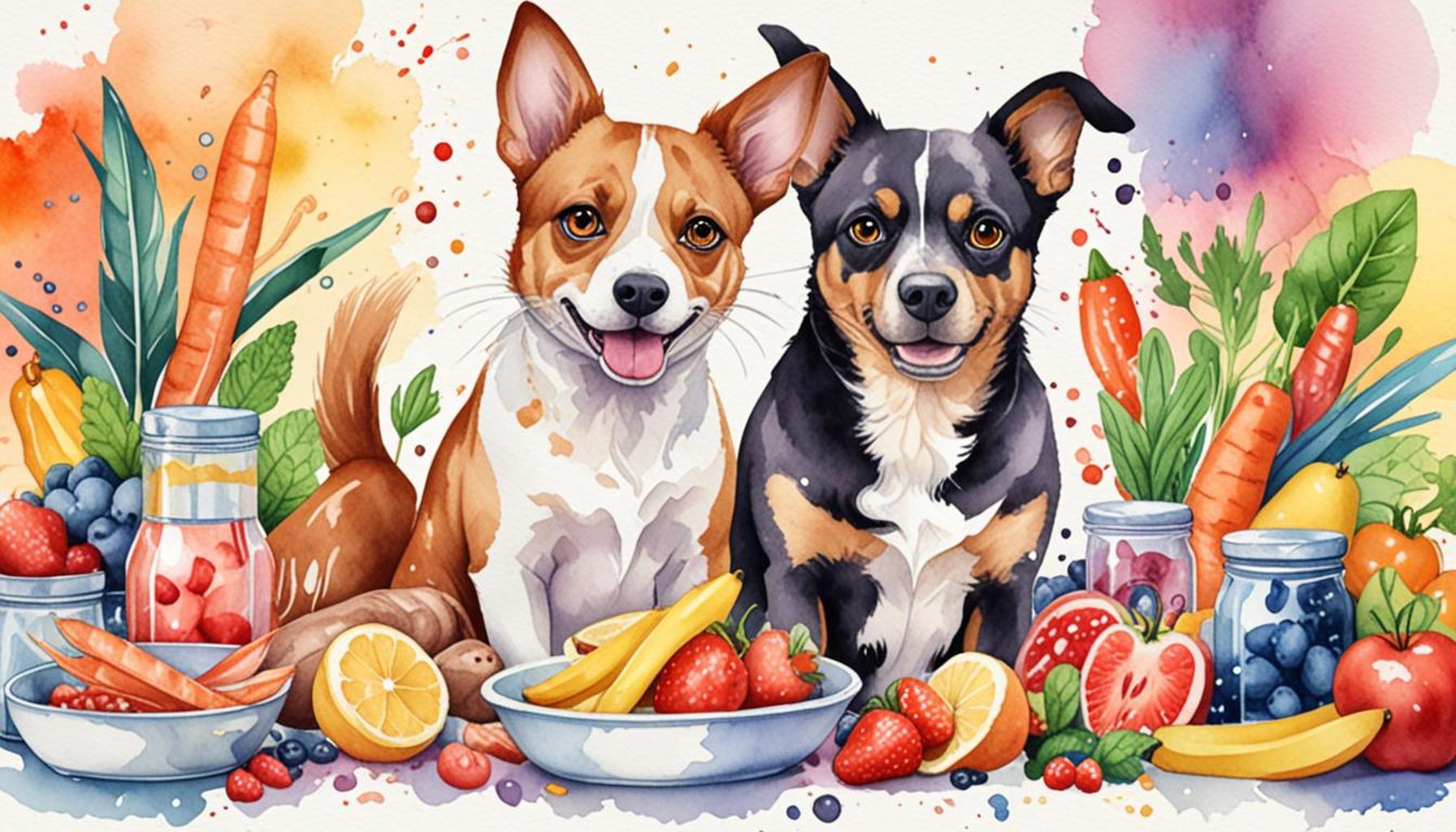
The Importance of Proper Nutrition for Pets
Proper nutrition plays a vital role in maintaining the overall health of pets. It not only affects their physical well-being but also significantly influences their susceptibility to common diseases. By focusing on a balanced diet, pet owners can greatly enhance their furry friends’ quality of life. Understanding your pet’s unique dietary needs is crucial, as it can help in preventing a host of health issues that may arise due to poor nutritional choices.
The link between diet and disease prevention is evident in a variety of pet health issues. Some key areas affected by nutrition include:
- Obesity: Poor dietary choices can lead to weight gain. This not only increases the risk of diabetes but can also contribute to joint problems, such as arthritis, which can significantly impair mobility. According to the Association for Pet Obesity Prevention, nearly 60% of cats and 56% of dogs in the United States are classified as overweight or obese.
- Cardiovascular health: Nutrients like omega-3 fatty acids, commonly found in fish oils and flaxseed, as well as antioxidants, play an essential role in reducing inflammation in the body and lowering the risk of heart diseases. Pets that consume a diet rich in these components often exhibit better heart health and longevity.
- Skin conditions: Certain nutrients, such as fatty acids and vitamins, promote healthy skin and coat, reducing the chances of allergies and other skin disorders in pets. Ingredients like chicken fat or fish oil in commercial pet foods can help alleviate issues like itching or excessive shedding.
In the United States, it is common for pet owners to rely on commercially manufactured pet foods. However, understanding the ingredients and their nutritional value is crucial. Some pet foods, while convenient, may contain fillers, artificial preservatives, or low-quality protein sources that do not provide adequate nutrition. By investing time in choosing the right diet, pet owners can protect their pets from:
- Chronic illnesses, such as diabetes and kidney disease
- Inflammatory conditions, like arthritis and dermatitis
- Gastrointestinal disorders, which can lead to vomiting, diarrhea, and discomfort
By recognizing the importance of nutrition, pet owners can take proactive steps towards disease prevention. Consulting with a veterinarian about specific dietary needs based on size, age, and health status can be extremely beneficial. Harnessing the power of proper nutrition not only boosts your pet’s health but also enhances the bond between pets and their humans, allowing for many happy years together.
As the awareness of pet nutrition grows, many owners are exploring options such as raw diets, homemade meals, or specialized pet foods tailored to specific health needs. This trend encourages further investigation into the most appropriate choices for individual pets. By prioritizing nutrition today, you can ensure a vibrant and healthier life for your cherished companion.
DISCOVER MORE: Click here to find the perfect pet for your family
Nutritional Foundations of Pet Health
The role of nutrition in pet health cannot be overstated. A well-balanced diet serves as the foundation for a pet’s overall well-being and can significantly reduce the risk of common diseases. Understanding the nutritional requirements specific to your pet can empower owners to prevent health issues before they arise. For instance, a diet rich in high-quality proteins, essential fatty acids, vitamins, and minerals is paramount for maintaining strength, resilience, and longevity.
One of the foremost concerns among pet owners is obesity, a condition directly influenced by diet. Just as in humans, obesity in pets has become a significant health crisis, with serious consequences. Animals that are overweight are at risk of developing a range of complications, including:
- Diabetes: Insulin resistance, leading to diabetes mellitus, can develop when pets consume excessive calories, particularly from poorly balanced diets.
- Joint problems: Increased weight adds strain on joints, leading to conditions such as osteoarthritis, which can severely limit a pet’s mobility and quality of life.
- Heart disease: Extra weight places additional stress on the heart, heightening the risk of cardiovascular issues that can shorten lifespan.
Another area where nutrition plays a pivotal role is in the prevention of cardiovascular diseases. Nutrients, such as omega-3 fatty acids, have been shown to support heart health by reducing inflammation and promoting healthy blood circulation. Foods that incorporate fish oil or flaxseed not only enhance flavor but also provide vital components that bolster a pet’s cardiovascular system. Furthermore, diets high in antioxidants—found in fruits and vegetables—help in combating free radicals which contribute to cellular damage over time.
Skin conditions, such as allergies and infections, are also closely linked to nutrition. A diet containing essential fatty acids can promote a lustrous coat and healthy skin, while deficiencies might lead to issues such as itchiness, flaking, and shedding. Tailored nutritional solutions—like those fortified with nutrients such as zinc and biotin—can address and alleviate skin concerns. By combining these elements into a pet’s diet, pet owners can diminish the prevalence of conditions like dermatitis and other inflammatory skin ailments.
Ultimately, pet owners have a significant role in their pets’ dietary choices. With the plethora of options available, it is crucial to discern high-quality foods that prioritize nutritional value over filler ingredients. Reading labels and understanding the components of your pet’s food can lead to informed decisions that benefit their health in the long run. Consulting with a veterinarian can also provide personalized dietary guidance facilitating optimal health tailored to the age, breed, and lifestyle of the pet.
As the conversation around pet nutrition evolves, owners are encouraged to explore various feeding methods, whether it’s adopting commercial diets, homemade solutions, or even raw feeding. These alternatives may offer unique benefits suited to specific health needs, thereby fostering a holistic approach to health that can extend the lifespan and happiness of furry companions.
| Category | Details |
|---|---|
| Nutrition Quality | High-quality diets tailored to pet needs can reduce disease risks. |
| Weight Management | A balanced diet helps maintain optimal weight and minimizes health issues. |
| Disease Prevention | Certain nutrients and antioxidants can strengthen the immune system. |
| Long-term Health | Good nutrition contributes to longevity and improved quality of life. |
Emphasizing the importance of nutrition quality, it becomes evident that high-quality diets tailored to the specific needs of pets play a crucial role in reducing the risk of common diseases. This is not just a matter of preference; ensuring that pets receive the right nutrients can effectively ward off maladies that may arise from poor dietary choices. Moreover, weight management through a balanced diet is vital in maintaining optimal body weight, thereby minimizing related health issues such as diabetes and joint problems. Appropriate feeding practices and regular monitoring of weight can provide information on potential health threats and assist owners in making better dietary decisions. Additionally, the powerful role of specific nutrients relates directly to disease prevention. Ingredients rich in antioxidants and essential fatty acids can significantly boost the pet’s immune system, making them less susceptible to infections and diseases. Fostering overall health through prudent dietary choices will create a strong foundation for longevity. Ultimately, these dietary considerations can lead to a positive impact on a pet’s long-term health, enhancing both lifespan and quality of life. Investing in a proper nutrition plan today can yield significant returns in the future.
DISCOVER MORE: Click here to learn about the positive change
The Role of Nutrition in Immune Function
Nutrition plays a crucial role not just in maintaining physical health but also in bolstering a pet’s immune system. A robust immune response is essential for pets to ward off diseases and infections that can lead to serious health complications. Research shows that certain nutrients significantly enhance immune function, reducing the incidence of illnesses such as infections and autoimmune diseases. Key immune-supporting nutrients include vitamins C and E, selenium, and zinc.
For example, vitamin E acts as a potent antioxidant that protects cell membranes from damage, and when paired with omega-3 fatty acids, it amplifies anti-inflammatory responses, crucial for healthy immune function. Foods abundant in these nutrients, such as sweet potatoes, spinach, walnuts, and blueberries, can effectively enhance a pet’s defense system, allowing them to thrive.
Nutrition and Digestive Health
Furthermore, the digestive system is significantly impacted by nutrition, influencing a pet’s overall health and susceptibility to diseases. A balanced diet rich in fiber can prevent gastrointestinal issues such as diarrhea and constipation, common ailments that plague pets. Fiber-rich foods help promote healthy gut bacteria, improving digestion and nutrient absorption, and ultimately strengthening the immune system.
Additionally, probiotics, often added to pet diets, play a crucial role in maintaining gut health. These “good bacteria” can help restore microbial balance, particularly after antibiotic treatment or dietary changes. Probiotics can reduce the risk of digestive diseases and are especially beneficial for pets with sensitive stomachs or those prone to digestive disorders.
The Effect of Obesity Prevention on Long-term Health
While the immediate consequences of poor nutrition are apparent, the long-term impact is equally concerning. Overweight pets face chronic health conditions that can lead to an overall reduced quality of life. A pet’s diet tailored for weight management can help prevent serious health issues down the line. Interestingly, research indicates that obesity can shorten a pet’s lifespan by as much as 2.5 years, underscoring the importance of maintaining a healthy weight through proper nutrition.
Regular exercise works hand-in-glove with an appropriate diet to ensure your pet stays at a healthy weight. Pet owners are encouraged to incorporate physical activities that their pets enjoy, as this increases engagement and helps in maintaining an active lifestyle. Combining proper nutrition with physical activity helps mitigate the risk of life-threatening diseases such as hypertension, diabetes, and certain types of cancer.
Age-Appropriate Nutrition
Nutrition needs also vary based on a pet’s life stage. Puppies, adult dogs, and senior pets have distinct nutritional requirements. For instance, puppies require higher levels of protein and calories to support growth, while senior pets benefit from diets that are lower in calories and higher in fiber, aiding digestion and weight management. Veterinary nutritionists often recommend specialized diets that align with the life stage of a pet to optimize health and prevent age-related conditions.
Pet owners must remain vigilant and adaptable, considering both their pet’s lifestyle and health changes as they age. Periodic consultations with a veterinarian will assist in adjusting dietary needs that align with an evolving health profile, ensuring that pets receive the nutrients necessary to live healthy, happy lives.
In summary, a comprehensive understanding of how nutrition affects the prevention of common diseases in pets is essential. By prioritizing quality nutrition, owners not only enhance their pets’ immediate health but pave the way for long-term well-being. The undeniable connection between diet and health cannot be overlooked in fostering a bright future for beloved furry companions.
DISCOVER MORE: Click here to learn about our initiatives
Conclusion
The multifaceted relationship between nutrition and the prevention of common diseases in pets serves as a pivotal reminder of our responsibility as pet owners. In essence, the foods we choose to nourish our furry friends have far-reaching impacts on their overall health, well-being, and longevity. By prioritizing a balanced diet that includes essential nutrients like vitamins, minerals, antioxidants, and fiber, we can significantly contribute to bolstering their immune systems while simultaneously safeguarding their digestive health.
Moreover, as our pets age, tailoring nutrition to meet their specific life stages becomes crucial. Understanding these requirements can prevent the onset of age-related ailments and lead to a more fulfilling life for our companions. The alarming statistics surrounding pet obesity highlight the urgency of adhering to proper weight management strategies, as preventing obesity through good nutrition can enhance not only their quality of life but also their lifespan.
In conclusion, investing in your pet’s nutrition is investing in their future. Educating ourselves on the importance of dietary choices and regularly consulting with veterinary professionals empowers us to make informed decisions that promote a healthier lifestyle for our pets. As we strive to be better pet parents, let us commit to prioritizing nutrition as a cornerstone of pet care, ensuring our beloved animals thrive for years to come.
Related posts:
Natural Foods vs. Commercial Feed: What is Better for Your Pet?
How to Deal with Food Allergies in Dogs and Cats
Conscious Eating: How Nutrition Impacts Pet Behavior
Homemade Food for Dogs and Cats: Benefits and Risks
The Importance of a Balanced Diet for Pet Health
Nutritional Supplements: When and How to Use Them in Your Pet's Diet

Linda Carter is a writer and pet care expert specializing in pet health, grooming, and wellness. With extensive experience helping pet owners create safe, loving, and enriching environments for their animals, Linda shares her knowledge on our platform. Her goal is to empower readers with practical advice and strategies to ensure their pets thrive and lead joyful, healthy lives.