The Influence of Pets’ Presence on Patient Recovery in Hospital Environments

The Role of Animals in Healthcare
The concept of integrating pets into hospital environments is gaining traction within the healthcare community. As research continues to unveil the multifaceted benefits of animal-assisted therapy, a growing number of medical facilities are recognizing the therapeutic advantages of having animals interact with patients. This practice is not merely about providing a momentary distraction but about fostering tangible health benefits that can significantly enhance patient well-being and recovery.
How Pets Improve Emotional Well-Being
One of the most compelling advantages of having pets in hospitals is their ability to provide emotional support. Hospitals can often feel isolating and intimidating, leading to heightened feelings of loneliness and anxiety among patients. The unconditional companionship offered by animals can alleviate these feelings. For example, a study conducted by the University of Maryland found that interactions with therapy dogs decreased anxiety levels significantly in patients undergoing cardiac procedures. Pets are known to evoke feelings of joy and comfort, which can be critical during challenging health crises.
Physical Health Benefits
Numerous studies suggest that the presence of animals can lead to physical healing as well. Engaging with pets has been linked to measurable improvements in physical health metrics, including lower blood pressure and reductions in pain perception. For instance, research from the University of California, Los Angeles, identified that petting a dog for even a short duration can lower blood pressure and trigger the release of calming hormones like oxytocin. This biological response indicates that furry companions can play a role in promoting healing as patients navigate their recovery journeys.
Mental Stimulation and Cognitive Enhancement
Beyond emotional and physical benefits, pets significantly contribute to mental stimulation. Engaging with animals has been shown to enhance cognitive functioning and improve mood. Activities that involve caring for animals or simply spending time with them can help distract patients from their ailments, allowing for a greater focus on positive experiences. For instance, in hospitals like the Penn Veterinary Medicine’s Working Dog Center, volunteers bring therapy dogs to visit patients, fostering interactions that spark social connections and mental engagement.
Innovative Treatment Models
As healthcare evolves, understanding the implications of pet therapy programs could lead to groundbreaking treatment models. With research supporting the positive outcomes of integrating animals into therapy, hospitals may increasingly adopt such programs as standard practice. The potential benefits go beyond mental and emotional health; they could pave the way for transformative care approaches that prioritize holistic recovery.
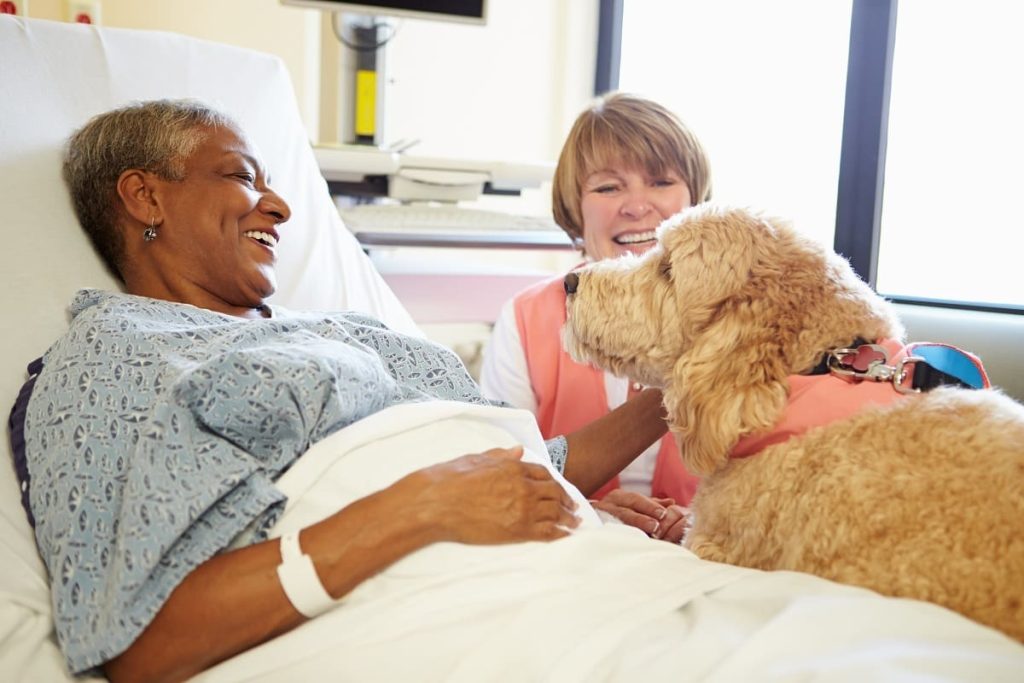
As we explore the myriad ways that our furry friends can enhance patient care, it is crucial to consider how the therapeutic impact of animals can be harnessed to improve recovery outcomes. The dialogue surrounding animal-assisted therapy in hospitals is continually expanding, inviting healthcare professionals to consider the next steps in enriching patient experiences through the love and warmth of animals.
DISCOVER MORE: Click here to learn about the benefits of wet food for your pets
Understanding the Benefits of Animal Interaction
The inclusion of pets and therapy animals in hospital settings has sparked significant interest in the healthcare sector due to their remarkable influence on patient recovery. As hospitals seek ways to alleviate the often-overwhelming stress associated with medical treatment, the presence of animals emerges as a dynamic solution. A multitude of studies has documented the myriad ways that animals impact patient care, extending beyond mere companionship to encompass critical health benefits.
Fostering Social Connections
One undeniable benefit of pets in hospital environments is their ability to facilitate social interactions. Patients often struggle with feelings of isolation, especially in long-term care scenarios. The presence of animals can encourage conversations among patients and staff, promoting a sense of community and connection. For instance, a 2019 study published in the *Journal of Health Psychology* found that patients who interacted with therapy animals reported feeling more connected, even in a clinical environment. These social connections can help patients navigate their emotional landscape, leading to enhanced recovery experiences.
Reducing Stress and Anxiety Levels
In addition to fostering social bonds, animal interaction has a profound impact on stress reduction. Interactions with pets—ranging from gentle petting to playful engagement—release a cascade of beneficial hormones, including endorphins and serotonin. The simple act of petting a dog or cat triggers physiological responses that not only elevate mood but also lower cortisol levels, a key hormone associated with stress. This reduction in stress is particularly crucial for patients facing significant medical procedures, as it can play a vital role in their overall recovery.
Enhancing Motivation and Engagement
Pets also serve to increase motivation and engagement in patients. Activities involving animals, such as therapy sessions or rehabilitation tasks with trained therapy dogs, can render the often grueling process of recovery feel more manageable and enjoyable. For example, patients recovering from surgery may be more inclined to participate in physical therapy sessions if they know that they will interact with a therapy dog. This heightened motivation not only aids in physical rehabilitation but also promotes a positive outlook, which is instrumental for recovery.
Key Benefits of Pets in Hospital Settings
- Emotional support: Pets provide comfort and companionship, reducing feelings of loneliness.
- Social engagement: Animals encourage interactions among patients and staff, fostering camaraderie.
- Stress reduction: Medical benefits from animal interactions include lower stress hormone levels and elevated mood.
- Enhanced motivation: Patients are more likely to engage in recovery activities when pets are involved in the process.
As the healthcare community increasingly recognizes these benefits, the integration of pets into patient care models is likely to expand. By understanding the substantial influence of animals on patient recovery, hospitals have the opportunity to create healing environments that prioritize both emotional and physical health. This evolving understanding of healthcare invites medical professionals to rethink traditional approaches, embracing the potential of animal-assisted therapy to transform patient experiences in profound ways.
The Influence of Pets’ Presence on Patient Recovery in Hospital Environments
As healthcare systems continuously search for innovative ways to enhance patient recovery, the presence of pets in hospital environments has gained considerable attention. Research indicates that interactions with animals positively affect patient well-being, reducing stress and promoting a sense of comfort. Aromatherapy may have its place, but the soothing presence of a dog or cat can significantly alter the emotional landscape of a patient’s room.Moreover, patients who engage with therapy animals often experience improved emotional states, leading to faster recovery times. According to several studies, these interactions can lower blood pressure and decrease pain perception, resulting in reduced medication needs. This holistic approach not only nurtures the patient’s mental health but can also encourage physical activity as patients express their care for the animals, thus promoting better rehabilitation outcomes.To illustrate further, consider the anecdotal accounts of patients who have experienced noteworthy recoveries, citing their engagement with animals as critical to their healing journey. Furthermore, the mere sight of pets has been shown to elevate endorphin levels, adding a palpable layer of joy to the sterile hospital environment. This notion aligns with the growing evidence supporting animal-assisted therapy (AAT) as a viable complementary treatment option in modern healthcare frameworks.To summarize, the idea of integrating pets into hospital settings not only provides emotional support but also fosters an environment conducive to faster recovery. While traditional medical interventions remain vital, the incorporation of therapy animals presents a promising avenue for innovation in patient care that merits further exploration.
| Benefits of Animal Interaction | Physiological Effects |
|---|---|
| Emotional Relief | Reduced stress hormones, lowering anxiety levels. |
| Enhanced Motivation | Encouragement for physical therapy through active participation with pets. |
DISCOVER: Click here to learn more about preventive health care for your pets
Expanding the Scope of Animal-Assisted Therapy
The integration of pets into hospital environments is not just an anecdotal trend; it is supported by emerging scientific research that highlights the efficacy of animal-assisted therapy (AAT) in facilitating patient recovery. By expanding the parameters of traditional medical care, hospitals that embrace AAT have begun to witness tangible improvements in patient outcomes, enhancing both psychological well-being and physical health.
Improving Patient Satisfaction and Compliance
Animal-assisted therapy has shown a direct correlation with increased patient satisfaction scores in healthcare settings. A study conducted at the *University of Maryland Medical Center* found that patients who participated in therapy animal visits reported a higher likelihood of feeling supported and cared for compared to those who did not have such interactions. Satisfaction is a crucial component in healthcare, as it often leads to improved compliance with medical guidelines. Patients who feel more at ease are more willing to engage with their treatment plans, follow post-operative care instructions, and attend follow-up appointments.
Impact on Chronic Illness Management
The restorative power of pets can be particularly beneficial for patients suffering from chronic illnesses such as diabetes, heart disease, or mental health disorders. For instance, a 2021 study published in the *Journal of Clinical Psychology* indicated that individuals with chronic conditions who were involved in animal therapy experienced a significant decrease in anxiety and depression levels. As these emotional hurdles are addressed, patients often report improvements in physical symptoms as well, revealing a holistic approach to managing chronic illness that intertwines medical treatment with emotional support.
Reducing Healthcare Costs
Employing animals in hospital settings may also lead to reduced healthcare costs over time. By fostering faster recovery and addressing psychological needs, hospitals can potentially decrease the lengths of patient stays and reduce readmission rates. A pioneering report from the *National Institutes of Health* found that hospitals that implemented animal therapy programs saw a measured 30% reduction in readmission rates for patients with conditions such as heart failure and respiratory issues. This finding suggests that by investing in therapy animals, hospitals might save significantly on treatment costs while simultaneously enhancing patient care.
Different Approaches to Animal-Assisted Therapy
Various approaches to animal-assisted therapy cater to diverse patient needs and settings. Programs may include visits from certified therapy dogs that undergo specific training to ensure they provide comfort and support. Alternatively, some hospitals have started innovative initiatives such as “pet visitation days,” where patients can interact with volunteer pets. This method not only brings joy but also uplifts spirits within the wards, creating a more inviting atmosphere. Even small animals, such as guinea pigs or rabbits, are being incorporated into therapy sessions, allowing for broader participation for patients who may have mobility issues.
- Enhanced patient satisfaction: AAT boosts overall feelings of support and care among patients.
- Chronic illness support: Animals contribute positively to emotional regulation and health management.
- Cost-effectiveness: Decreasing hospital stays and readmissions can lead to substantial healthcare savings.
- Diverse therapy methods: Flexibility in therapy animals used captures a wider range of patient preferences.
As hospitals strive to create holistic healing environments, the implications of the presence of pets in patient recovery processes are becoming increasingly evident. With both qualitative and quantitative data supporting the integration of AAT, future healthcare models are likely to embrace these innovative strategies to elevate the standard of patient care.
DISCOVER MORE: Click here to learn how nutrition affects your pet’s behavior
Conclusion
The presence of pets in hospital environments is not merely a comforting notion; it is a transformative element in the realm of patient recovery. As outlined throughout this article, animal-assisted therapy has brought forth substantial advancements in patient care, illustrating that the inclusion of therapy animals fosters significant improvements in emotional and physical well-being.
From enhancing patient satisfaction to reducing healthcare costs, the multifaceted benefits of integrating pets into medical settings are becoming hard to ignore. The compelling evidence, such as reduced anxiety levels among chronic illness patients and improved compliance with treatment plans, positions AAT as a vital component in modern healthcare approaches. Furthermore, creative adaptations of therapy methods ensure broader access, making it possible for diverse patient groups to experience these benefits.
As hospitals continue to recognize and harness the power of the human-animal bond, we can anticipate a shift in healthcare paradigms that prioritize holistic healing practices. This ongoing evolution not only aims to enhance patient experiences but also seeks to pave the way for policies that support the implementation of therapy animals in various medical facilities across the United States.
The implications of pets’ presence in recovery processes are profound, prompting healthcare professionals, policymakers, and community advocates to explore further ways to incorporate animals into hospital settings. By embracing these innovative strategies, we can ultimately elevate the standard of care and foster an environment where patients can truly thrive.
Related posts:
How the Presence of Pets Can Help in Managing Chronic Diseases and Improving Quality of Life
The Importance of Regular Exercise for the Mental Health of Dogs and Their Owners
How Animal-Assisted Therapy Can Improve the Emotional Well-Being of Patients
The Role of Pets in Promoting Healthy Lifestyles in Families
How Pets' Presence Can Increase Socialization and Human Connections
The Importance of Socializing Pets for Mental and Physical Health

Linda Carter is a writer and pet care expert specializing in pet health, grooming, and wellness. With extensive experience helping pet owners create safe, loving, and enriching environments for their animals, Linda shares her knowledge on our platform. Her goal is to empower readers with practical advice and strategies to ensure their pets thrive and lead joyful, healthy lives.