The Role of Behavioral Training in Preventing Behavioral Problems in Puppies

Understanding Puppy Behavior Management
Bringing a puppy into your home can transform your daily life with bursts of energy and adorable antics, but it is important to acknowledge the potential challenges that accompany such delight. Young dogs are naturally curious and often brimming with energy, traits that can, if left unchecked, lead to a host of behavioral issues. However, with a conscious effort toward proper training and behavior management, you can cultivate a loving and respectful relationship with your new furry friend.
The Importance of Early Intervention
Addressing behavioral issues at an early stage is crucial to shaping a well-adjusted adult dog. Providing your puppy with the right guidance can significantly influence their social behaviors and mental well-being. Consider the following proactive techniques:
- Socialization: Investing time in socializing your puppy plays a vital role in their development. Exposing them to diverse environments, different types of people, and other animals can greatly reduce the likelihood of fear-based behaviors or aggression later in life. Frequent visits to dog parks, puppy playdates, or organized group classes can offer invaluable opportunities for interaction.
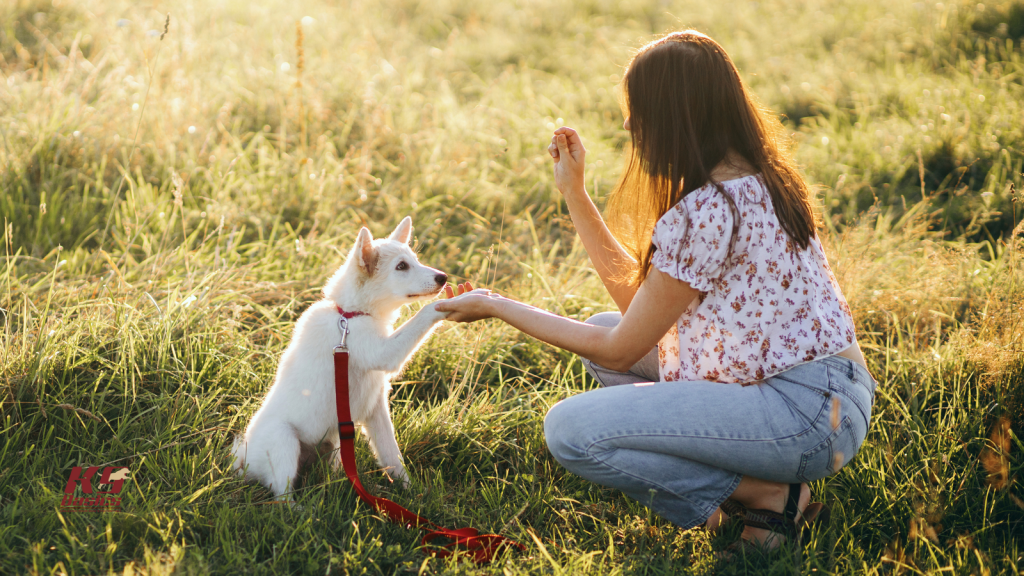
- Basic Commands: Teaching essential commands like “sit,” “stay,” and “come” is foundational in building effective communication and setting clear boundaries. Not only does this make daily life easier for both you and your puppy, but it also reinforces your role as a reliable leader. Using positive reinforcement techniques, such as treats or praise, boosts the learning process and makes it enjoyable.
- Positive Reinforcement: Rewarding your puppy for good behavior reinforces their ability to repeat those behaviors. This not only fosters a trusting bond between you two but also encourages them to succeed in future training. For instance, if your puppy sits on command, offering a treat or affection immediately after will create a positive association with that command.
Implementing these training methods lays a strong foundation for a well-behaved and balanced adult dog. Puppies who engage in behavioral training often exhibit reduced instances of serious problems, such as separation anxiety or destructive chewing, which are common issues faced by many pet owners.
Proactive Steps for Pet Owners
As a responsible pet owner, taking proactive measures can make all the difference. Here are a few actionable steps you can adopt:
- Enroll your puppy in training classes that offer structured learning environments and professional guidance.
- Practice consistency in commands and expectations. Ensure every family member uses the same cues and rewards to avoid confusing your puppy.
- Engage in regular play and mental stimulation. Activities such as puzzle toys, fetch, or agility courses can keep your puppy mentally sharp and physically fit.
Embracing behavioral training early on creates a pathway to a joyful, well-behaved companion. While this journey may require significant effort and patience, the rewards, such as a devoted friend and a harmonious home environment, are profound. By investing in your puppy’s training and behavior management, you are fostering not only a better pet but also an enriching relationship that can last a lifetime.
LEARN MORE: Click here for valuable insights
Building a Strong Foundation Through Behavioral Training
Behavioral training is not merely a set of tactics; it is a comprehensive approach that shapes a puppy’s character and social disposition. The influence of behavioral training extends far beyond the training sessions, as it fosters an atmosphere of understanding, empathy, and mutual respect that pulses through the entire household. The implications of neglecting early training can lead to notable behavioral problems that might later manifest as aggression, anxiety, or even destructive tendencies. Hence, understanding the role of behavioral training in preventing behavioral problems in puppies should be a priority for all new pet owners.
Common Behavioral Issues Linked to Lack of Training
Many puppies exhibit some level of disruptive behavior as a natural part of their development, but without proper training, these behaviors can escalate into serious issues. Here are a few common problems that arise:
- Excessive Barking: Puppies often bark to communicate, but without guidance, persistent barking can become a nuisance. This behavior may be rooted in anxiety, boredom, or the need for attention.
- Destructive Chewing: Chewing is a natural behavior for puppies, especially during teething. However, if not directed, this behavior can result in ruined furniture, shoes, or even harmful ingestion of non-food items.
- Jumping on People: A well-meaning gesture of excitement can quickly turn into an overwhelming experience for visitors. Puppies often jump on people to seek attention but need to be trained to greet politely.
- Separation Anxiety: Many puppies struggle with being alone, which can lead to anxious behaviors such as whining, howling, or destructive acts when left unattended. Proper training can teach them to feel secure even when their owners are not present.
Each of these issues, when left unaddressed, can escalate into more severe problems, impacting not only the puppy but also the relationships they have within the household. The good news is that many of these issues are preventable with the right training regimen.
Creating a Positive Learning Environment
Initiating behavioral training requires creating a conducive atmosphere for learning. This environment should be consistent, calm, and engaging to maximize the puppy’s ability to take in new information. Techniques to foster a positive learning experience include:
- Frequent Short Sessions: Puppies have short attention spans, so it’s more effective to conduct several brief training sessions throughout the day rather than one long session.
- Use of Appropriate Rewards: Different puppies respond to various rewards. Identifying what motivates your puppy—be it treats, toys, or praise—can enhance their eagerness to learn.
- Patience and Consistency: Training is a gradual process, and patience is vital. Consistently applying commands and rewards creates clear communication pathways, leading to better results.
With these principles in mind, pet owners can cultivate an environment where both puppy and owner thrive. Investing in behavioral training early not only alleviates potential issues but also paves the way for a lasting partnership filled with love and harmony.
| Advantage | Details |
|---|---|
| Early Socialization | Promotes healthy interactions with other dogs and people, reducing fear and anxiety. |
| Basic Commands | Teaching commands such as ‘sit’, ‘stay’, and ‘come’ instills discipline and improves safety. |
| Behavioral Modification | Addresses issues like barking or chewing, steering puppies toward acceptable behaviors. |
| Bonding Experience | Strengthens the relationship between owner and pet through consistent communication. |
In understanding the role of behavioral training, it’s critical to appreciate how each component serves as a foundation for a well-adjusted puppy. Early socialization, for instance, not only familiarizes puppies with diverse environments but also significantly diminishes the likelihood of developing behavioral issues later in life. Trainers and owners alike advocate for engaging young puppies in varied social settings, emphasizing the importance of exposure to different sights, sounds, and experiences.Furthermore, mastering basic commands builds mutual respect and trust between pet and owner, creating a secure framework for further learning. By establishing a routine and clear expectations, owners can effectively curb negative behaviors before they escalate. Through behavioral modification techniques, many trainers introduce innovative strategies that make learning more effective for both puppies and their owners, addressing challenges such as excessive barking or inappropriate chewing.Ultimately, this dedicated training journey not only ensures a well-behaved puppy but also deepens the emotional connection shared, leading to a harmonious and fulfilling companionship. The benefits of behavioral training extend beyond immediate behavioral correction; they prepare puppies for a long and stable life within their families.
DIVE DEEPER: Click here to discover more
Empowering Puppies Through Positive Reinforcement
One of the most effective components of behavioral training is the use of positive reinforcement, which promotes a sense of accomplishment and encourages repeat behavior. This technique involves rewarding desired actions rather than punishing unwanted ones, leading to a more cooperative learning experience. When puppies are rewarded with treats, attention, or affection for positive behaviors—such as sitting calmly, responding to their name, or walking politely on a leash—they associate good behavior with pleasant outcomes, reinforcing that behavior over time.
The Science Behind Positive Reinforcement
Research has shown that positive reinforcement not only enhances the puppy’s learning but also fosters a stronger bond between the dog and owner. The American Kennel Club (AKC) advocates this approach for its effectiveness in establishing a trusting relationship. When puppies feel safe and loved in their environment, they are less likely to exhibit behaviors linked to stress or anxiety, such as excessive barking or destructive chewing, which are often signs of behavioral distress. In fact, training sessions utilizing positive reinforcement may lead to enhanced cognitive skills, making puppies more adaptable and receptive to further teaching.
Socialization: A Key Element in Training
Alongside behavioral training, early socialization plays a vital role in preventing behavioral problems in puppies. Exposing dogs to varying environments, people, and other animals can significantly reduce fear-based behaviors that may lead to aggression or anxiety later in life. The crucial socialization window occurs between 3 and 14 weeks of age, thus early training programs should emphasize safe and controlled experiences with diverse stimuli. This period is when puppies are particularly receptive to new experiences, making it an opportune time for their owners to introduce various situations—such as meeting other pets and attending puppy classes.
Structured Activities and Mental Stimulation
Another critical aspect of preventing behavioral issues is incorporating structured activities and mental stimulation into the puppy’s daily routine. Boredom often leads to destructive behavior as pups seek engagement, so activities such as puzzle toys, obedience games, and obedience training sessions can help tire them both mentally and physically. A well-exercised puppy is less likely to become problematic or act out due to pent-up energy. Studies from the Journal of Veterinary Behavior indicate that a combination of physical exercise with mental puzzles can significantly reduce behavioral issues, reinforcing the idea that a balanced routine is crucial for a well-behaved pup.
The Role of Professional Trainers and Classes
Engaging the services of a professional dog trainer or enrolling in puppy classes can further enhance the behavioral training process. Professional trainers bring a wealth of experience in understanding canine behavior and offer tailored advice based on individual puppy needs. Puppies learn not only from their owners but also from interacting with other dogs in these classes, which further boosts socialization and obedience skills. These structured environments provide consistent practice in a distraction-rich setting, equipping owners with the tools they need to navigate everyday situations effectively.
As new owners embrace the principles of behavioral training, they contribute to a holistic approach that addresses potential challenges before they exacerbate. By employing positive reinforcement, ensuring adequate socialization, encouraging mental stimulation, and potentially seeking professional guidance, the process to hone a puppy’s behavior becomes far more effective, resulting in a happy, well-adjusted companion.
DISCOVER MORE: Click here to learn how behavioral training can enhance your bond with your pet</a
Conclusion: The Path to a Well-Behaved Companion
Understanding the role of behavioral training in preventing behavioral problems in puppies is crucial for any new pet owner. As we have explored, the implementation of positive reinforcement, early socialization, and mental stimulation forms the foundation for a thriving relationship between puppies and their owners. This multifaceted approach not only curbs the emergence of undesirable behaviors but also promotes a sense of security and confidence in young dogs.
By prioritizing behavior training during the formative weeks of a puppy’s life, owners can significantly influence their pet’s future temperament and social interactions. The importance of engaging puppies in a variety of environments and scenarios cannot be overstated; it is during these precious learning moments that they develop essential coping skills and learn to navigate the complexities of life alongside humans and other animals.
Furthermore, involving professional trainers and participating in puppy classes can enrich a dog’s educational experience, ensuring that lessons are delivered effectively within a supportive environment. As the American Kennel Club (AKC) recommends, this structured guidance fosters deeper understanding and compliance, ultimately leading to better-adjusted pets.
In conclusion, adopting an effective behavioral training regimen is not merely a short-term fix; it is a long-term investment in the happiness and harmony of both the puppy and its owner. By embracing these techniques, new pet parents equip themselves with powerful tools to nurture a well-behaved companion, paving the way for many joyful years together. As you embark on this rewarding journey, remember that patience, consistency, and love are the keys to unlocking your puppy’s full potential.
Related posts:
Behavioral Training Techniques to Help Elderly Animals Adapt to New Situations
How Stress and Anxiety Affect Pets' Behavior During Training
The Importance of Behavioral Training for Adopted Dogs
Positive Reinforcement Strategies to Modify Undesirable Behaviors in Cats
The Influence of the Environment on the Effectiveness of Behavioral Training in Pets
How Behavior Training Can Improve the Relationship between Pets and Children

Linda Carter is a writer and pet care expert specializing in pet health, grooming, and wellness. With extensive experience helping pet owners create safe, loving, and enriching environments for their animals, Linda shares her knowledge on our platform. Her goal is to empower readers with practical advice and strategies to ensure their pets thrive and lead joyful, healthy lives.