The Role of Pet Animals in Rehabilitation Therapy: How They Help in Patient Recovery

The Transformative Journey of Pet-Assisted Therapy
Over the past decade, the integration of pet animals into rehabilitation therapy has gained substantial momentum, as healthcare providers recognize the profound impact these furry companions can have on patient recovery. Research indicates that simply spending time with animals can yield significant enhancements in both physical and mental well-being. This trend has led to a growing number of hospitals, rehabilitation centers, and nursing homes across the United States adopting pet therapy as part of their treatment protocols, illustrating its widespread acceptance and efficacy.
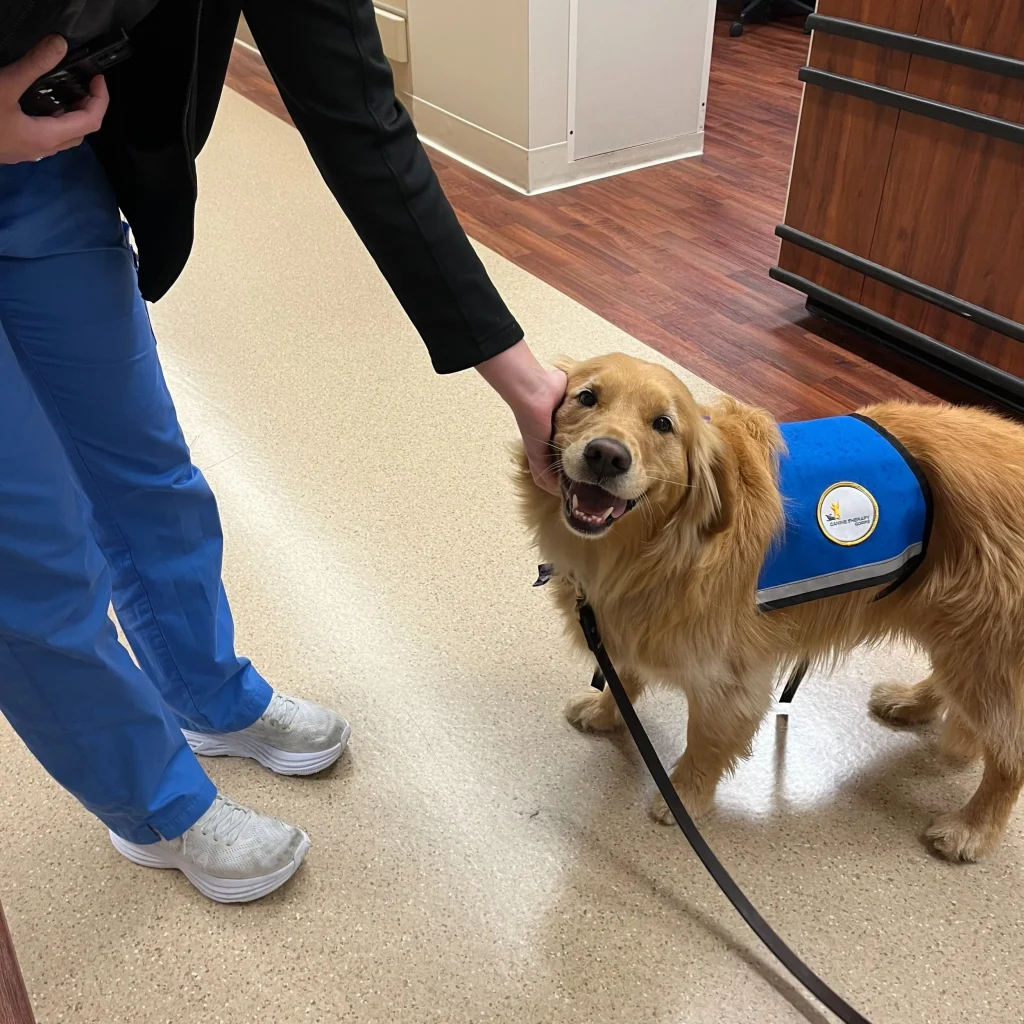
Pet therapy typically involves the use of specially trained animals, often dogs and cats, who provide support and companionship to patients undergoing various forms of rehabilitation. The benefits of this therapy are diverse and compelling:
- Enhanced Emotional Support: The companionship of pets plays a crucial role in reducing feelings of isolation and depression. Many patients, especially those in long-term care settings, report that interactions with therapy animals uplift their spirits and provide a sense of purpose.
- Improved Physical Health: Engaging with animals can motivate patients to participate in physical activities, such as walking a therapy dog or even just grooming a cat. This gentle encouragement can significantly enhance a patient’s mobility and strength over time.
- Reduced Anxiety: Scientific studies have shown that the presence of therapy pets can lower stress and anxiety levels. For instance, stroke patients undergoing therapy often exhibit reduced heart rates and improved breathing patterns when accompanied by animals during sessions, which contributes to a more effective recovery process.
The remarkable bond that forms between patients and therapy animals fosters not only healing but also instills a sense of hope and motivation among those facing health challenges. It is not uncommon for patients, especially children, to share their experiences with animals, recounting stories of how these furry friends helped them through tough times.
As the healthcare landscape continues to evolve, it is essential to further explore the science behind pet-assisted therapy. Initiatives, such as the Pet Partners organization, are striving to provide more comprehensive training for therapy animals and their handlers to ensure the utmost standards are met in therapeutic settings. The inspiring stories of recovery facilitated by these animals are backed by ongoing research that highlights their transformative potential.
In conclusion, the role of pets in rehabilitation therapy is both profound and impactful. As we continue to uncover the depth of these interactions through further studies and anecdotal evidence, the narrative surrounding animals in healthcare will only grow richer, inviting more individuals to recognize the invaluable contributions of our four-legged companions in the journey to recovery.
DIVE DEEPER: Click here to uncover the benefits
The Healing Power of Companionship
As healthcare professionals increasingly seek innovative ways to aid patient recovery, pet-assisted therapy emerges as a powerful ally. One of the primary advantages of this therapy is the capacity of animals to create opportunities for meaningful social interaction. For many patients, particularly those struggling with mental health issues, engaging with a therapy pet fosters connections that transcend spoken words, allowing individuals to express emotions and feelings in a safe environment.
The magnetic pull of pet animals can light up even the darkest rooms in hospitals or rehabilitation facilities. Patients often experience an increase in oxytocin levels, the hormone associated with bonding, when they interact with therapy animals. This biochemical response not only enhances emotional well-being but can also contribute to a quicker rehabilitation process. In fact, a study published in the Journal of the American Veterinary Medical Association found that patients participating in animal-assisted therapy reported a marked reduction in feelings of anxiety and depression compared to those who did not.
Moreover, the presence of therapy animals has been shown to foster a more inviting atmosphere, encouraging patients to engage in therapy sessions more willingly. The combination of emotional support and engaging activities that include animals can lead to improved neuroplasticity and mental stimuli for brain injury patients or those recovering from strokes.
Here are some of the key aspects highlighting how pet animals contribute to rehabilitation therapy:
- Encourages Physical Activity: Many therapy programs incorporate activities that require patients to move, such as walking a dog or playing fetch, which can lead to improved mobility and physical fitness.
- Facilitates Communication: Interaction with pets can draw out individuals who may struggle to communicate after an injury. The presence of animals can inspire patients, especially children or those with speech challenges, to express their thoughts and feelings more openly.
- Reduces Pain Perception: Studies have demonstrated that petting a therapy animal can reduce cortisol levels, the hormone associated with stress, which may, in turn, diminish the perception of pain in patients undergoing rehabilitation.
- Boosts Motivation: The joy of interacting with a pet can provide the much-needed motivation that patients require to engage more thoroughly in their therapeutic activities.
As we delve deeper into the subject, it becomes clear that the influence of pet animals in rehabilitation therapy reaches far beyond mere companionship. Healthcare providers are increasingly looking to harness the formidable benefits of pet therapy as part of comprehensive treatment plans. By integrating animals into the therapeutic process, healthcare facilities can not only enhance patient recovery rates but also promote a more holistic approach to healing, addressing both mind and body simultaneously.
Exploring the Benefits of Pet Animals in Rehabilitation Therapy
Pet animals have long been recognized for their ability to enhance the emotional and social well-being of individuals. In rehabilitation therapy, these furry companions play a pivotal role, offering unique advantages that significantly aid in patient recovery. By adding a layer of comfort and companionship, animals have shown to positively influence the therapeutic process.One of the most compelling advantages of using pet animals in rehabilitation is the therapeutic bond they create with patients. This bond is characterized by mutual affection and trust, which can help to alleviate feelings of anxiety and depression often prevalent in those undergoing recovery. For example, studies have indicated that the presence of a pet during therapy sessions can lead to lower stress levels and increased motivation, enabling patients to engage more actively in their treatment plans.Moreover, pet therapy encourages physical activity, which is essential for recovery. Patients are often more inclined to participate in exercises such as walking or playing with their dogs, which promotes both physical fitness and social interaction. Engaging in these activities not only improves patients’ physical health but also fosters a sense of normalcy and routine in their lives.
Promoting Emotional Connection and Responsibility
Animals serve as effective facilitators of emotional expression. Patients may find it easier to open up about their feelings when they are in the presence of a caring animal. This emotional connection can lead to breakthroughs in therapy, allowing patients to confront and discuss their challenges in a supportive environment.Additionally, caring for a pet instills a sense of responsibility and purpose in patients. The routine of feeding, grooming, and exercising a pet can help individuals regain a sense of control over their lives. This newfound responsibility can be particularly beneficial for those recovering from substance abuse or mental health issues, creating a structured outlet for their energy and emotions.To further illustrate, here’s an informative table showcasing the key advantages of pet animals in rehabilitation therapy:
| Advantages | Key Features |
|---|---|
| Reduced Anxiety | The presence of animals can help calm patients and lower overall stress levels. |
| Increased Physical Activity | Therapy with pets encourages patients to engage in physical exercise, benefiting their rehabilitation. |
| Enhanced Emotional Expression | Pets help in creating an open atmosphere for sharing feelings and experiences. |
| Sense of Responsibility | Caring for a pet provides structure and purpose, aiding in recovery from various conditions. |
Pet therapy not only promotes healing but also fosters a sense of connection and community among patients, enabling them to share experiences while nurturing their relationship with animals. As research continues to highlight the profound impact of pet animals on the healing process, their inclusion in rehabilitation programs is becoming increasingly valuable.
DISCOVER MORE: Click here for effective training techniques
Enhancing Emotional and Cognitive Recovery
In addition to the physical benefits outlined, the inclusion of pet animals in rehabilitation therapy plays a significant role in enhancing emotional and cognitive recovery. The companionship of therapy pets not only serves to lift spirits but also promotes cognitive engagement through various activities that stimulate the brain. For instance, patients may be encouraged to participate in memory exercises that involve recalling specific characteristics or behaviors of a therapy animal, which can help with recovery from conditions such as traumatic brain injury or cognitive decline.
Research supports these claims, indicating that interaction with therapy animals can lead to improved attention, memory, and problem-solving skills. A study conducted by the Massachusetts Institute of Technology found that individuals who regularly interacted with animals showcased an increase in cognitive flexibility — the ability to adapt to new situations. This cognitive boost can be particularly beneficial for patients recovering from strokes or surgeries that impact brain functions.
Emotional regulation is another critical area where therapy animals make a profound impact. Patients dealing with conditions such as PTSD (Post-Traumatic Stress Disorder) have reported that therapy animals provide a calming presence that reduces anxiety levels and facilitates emotional processing. Engaging with animals can encourage patients to reflect on their feelings in a non-threatening manner. This is particularly beneficial for veterans and others who may have experienced trauma.
- Creating a Sense of Purpose: Caring for a therapy animal can instill a sense of responsibility and purpose in patients. This newfound role can foster a greater sense of self-worth and engagement in the recovery process, which is crucial for their mental health.
- Indicators of Emotional Distress: Therapy animals, particularly dogs, can sense changes in a patient’s emotional state. They often provide comfort during moments of distress, acting as a non-judgmental companion that encourages patients to open up about their feelings.
- Social Skills Development: For individuals who have faced social isolation due to their conditions, therapy animals offer an excellent opportunity to practice social skills. Engaging with pets, whether through structured activities or casual interactions, can ease the transition back into social situations.
Moreover, the benefits of pet-assisted therapy are not confined to traditional healthcare settings. Many rehabilitation programs in the United States are now incorporating therapy animals into their outpatient services, creating more opportunities for community engagement and relational healing. These non-clinical environments help reduce the stigma often associated with rehabilitation and allow patients to engage with their treatment goals in more informal, supportive settings. Animals, particularly those with a training background, can bring joy and spontaneity to what can otherwise be a rigid and structured process.
As interest in animal-assisted therapy continues to grow, innovative programs are emerging across the nation, allowing patients to connect with various types of animals, including dogs, cats, rabbits, and even horses. Each species offers unique therapeutic benefits, catering to different patient needs and preferences. For example, equine therapy has gained notoriety for its effectiveness in fostering confidence and responsibility in individuals with developmental disabilities.
The integration of pet animals in rehabilitation therapy embodies a transformative approach to healing, emphasizing the importance of emotional well-being alongside physical recovery. Each interaction promotes resilience, communication, and cognitive engagement, ultimately facilitating a more comprehensive recovery journey for patients.
LEARN MORE: Click here to understand how behavioral training can benefit your pet
Conclusion
In conclusion, the inclusion of pet animals in rehabilitation therapy represents a remarkable intersection of emotional and physical healing, illustrating how integral these furry companions are in enhancing patient recovery. The profound effects that therapy animals have on emotional regulation, cognitive engagement, and interpersonal skills create a multifaceted approach to rehabilitation. Patients not only experience improved mental health but also a renewed sense of purpose and self-worth, allowing them to engage more fully in their recovery journeys.
As research continues to validate the benefits of animal-assisted therapy, healthcare providers are increasingly recognizing the importance of integrating therapy animals into treatment programs across various settings. Programs in the United States are adapting to embrace this holistic approach, providing a supportive environment that encourages emotional and social growth. The diversity of animals involved, from dogs to horses, allows for therapies tailored to fit individual patient needs, further enhancing the effectiveness of treatment.
While more data and further studies are necessary to understand the full impact of therapy animals, the current findings highlight the significant role they play in rehabilitation. As we move forward, it is essential for clinicians, caregivers, and families to consider pet-assisted therapy not just as an adjunct, but as an essential component of a thorough rehabilitation strategy. The combination of compassion and healing that pets provide can make a substantial difference in the lives of patients, steering them toward a brighter, more hopeful recovery path.
Related posts:
The Influence of Pet Adoption on Owners' Mental Health
The Importance of Parasite Prevention in Pets: Essential Methods and Care
Natural Feeding for Pets: Benefits and Challenges in Pet Diets
The Importance of Regular Physical Activity for Pet Health
The Importance of Dental Health in Pet Life
How to Identify and Treat Common Allergies in Dogs and Cats

Linda Carter is a writer and pet care expert specializing in pet health, grooming, and wellness. With extensive experience helping pet owners create safe, loving, and enriching environments for their animals, Linda shares her knowledge on our platform. Her goal is to empower readers with practical advice and strategies to ensure their pets thrive and lead joyful, healthy lives.