The Role of Social Media in Promoting the Adoption of Rescued Animals

The Power of Social Media in Animal Rescue Initiatives
With the rise of social media platforms, avenues for communication and advocacy have broadened significantly, particularly in the realm of animal rescue and adoption. This digital revolution has not only changed the way we share information but has also led to a remarkable increase in awareness surrounding neglected and abandoned animals. Organizations and individuals now have the capability to reach thousands, if not millions, of people with just a click, sparking a network of passionate advocates dedicated to making a difference.
- Awareness Campaigns: Many animal shelters and rescue organizations leverage social media’s vast reach to disseminate information about adoptable pets. By sharing heartfelt stories paired with engaging images and videos, these campaigns draw attention to animals in need. For instance, a shelter may create a short video showcasing a dog’s journey from the street to safety, highlighting its playful personality and desire for a loving family. Such vivid storytelling can elicit empathy and drive the urgency for adoption.
- Community Engagement: Social media facilitates a robust community interaction platform where followers can connect directly with local shelters. Many organizations host virtual events, pet adoption fairs, and fundraising activities, allowing supporters to engage actively. For example, during the pandemic, many shelters turned to live-stream events on Instagram and Facebook to present their pets, leading to increased visibility and ultimately, higher adoption rates.
- Success Stories: Showcasing success stories is a critical component of rescue messaging. When potential adopters witness the transformative impact of rescue—like a once-timid cat blossoming into a confident companion—they are more likely to feel hopeful about adopting themselves. One widely shared story involved a dog named Max, who, after being rescued, became a local hero by participating in therapy dog programs. This narrative not only highlights the potential of rescued animals but also builds a sense of community pride and connection.
Statistics mirror this shift in adoption trends; for instance, a survey revealed that nearly 60% of pets adopted in recent years came from shelters promoted through social media channels. Hashtags such as #AdoptDontShop have gained momentum, linking millions of users and encouraging them to consider adopting rather than purchasing. This dynamic environment does more than just create public consciousness; it cultivates a sense of responsibility and compassion toward animals in need.
As we delve deeper into this subject, we will explore how social media’s unique capabilities amplify the voices of animals requiring homes, bringing to light innovative strategies that can further foster responsible pet ownership. Engaging with these digital platforms allows us to not only advocate for animals but also to join a movement that prioritizes their well-being. Join us in this exploration of the transformative power of social media in reshaping animal adoption landscapes and inspiring collective action.
LEARN MORE: Click here to discover the role of behavioral training
Unleashing Potential: How Social Media Drives Adoption Rates
As the digital landscape continues to evolve, the role of social media in promoting the adoption of rescued animals has become increasingly evident and impactful. These platforms serve as powerful tools, connecting potential adopters with shelters and fostering a sense of community built around care and compassion for animals. One of the most significant contributions of social media is its ability to make the visible invisible; that is, transforming the often-overlooked plight of abandoned animals into urgent calls for action.
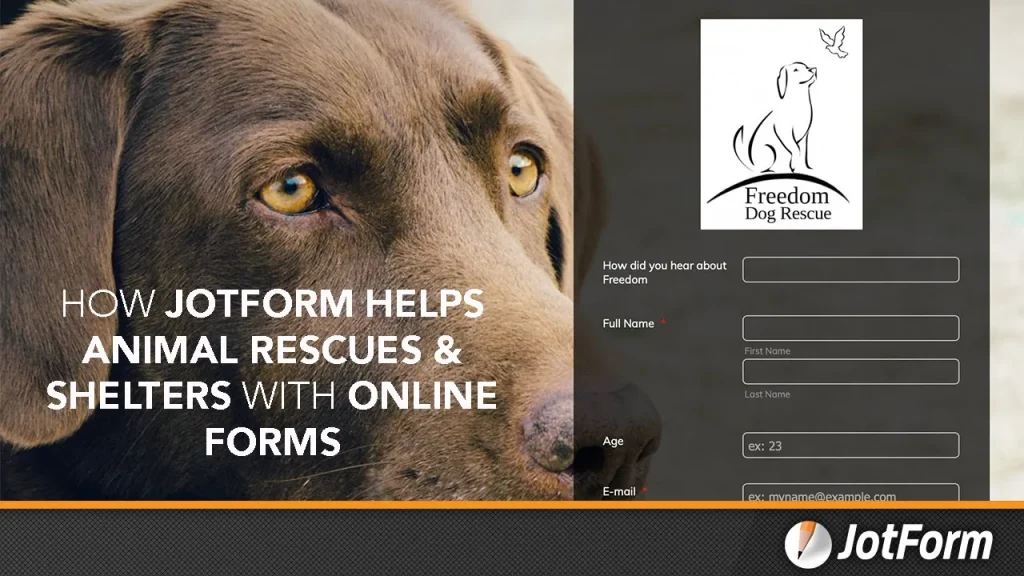
- Visual Storytelling: In the world of animal rescue, visuals speak louder than words. Social media harnesses the power of images and videos to capture the hearts of users. Memorable, heartwarming photographs of rescued animals paired with engaging narratives can evoke emotions that simply text cannot. Organizations often share before-and-after stories, such as an emaciated dog recovering with proper care, fostering a tangible connection that demands attention and response.
- Viral Campaigns: Social media’s potential for virality enhances the reach of adoption campaigns exponentially. When users share their favorite rescue stories or cute animal pictures, they inadvertently create champions for the cause. For example, a shelter’s post featuring a group of playful puppies or a scared cat finding its forever home can quickly gain traction. In many cases, a single post can lead to dozens of inquiries about an animal, significantly increasing its chances of being adopted.
- Influencer Partnerships: The rise of social media influencers has also provided a new avenue for promoting animal rescue. Pet influencers and animal advocates have amassed significant followings and wield considerable power in shaping public perception. By partnering with shelters and showcasing adoptable animals through their platforms, these influencers generate both awareness and interest in animal rescue, effectively bridging the gap between potential adopters and their future pets.
The statistics regarding this phenomenon are remarkable. An extensive survey conducted by a leading animal welfare organization indicated that about 70% of people in the United States are now aware of their local shelters and rescue organizations due to social media promotion. This shift has not only increased foot traffic at shelters but has also led to a greater number of successful adoptions. Furthermore, the campaign slogans, such as #SaveALife and #AdoptAPet, resonate widely, encouraging communities to take action.
In examining the dynamics of social media’s influence, we find that it doesn’t merely serve as a platform for sharing pictures and stories; it actively cultivates a sense of belonging among animal advocates. These platforms allow individuals to find others who share their passion for animal welfare, enhancing collaboration and fostering a culture of support and responsibility for rescue efforts. Individuals yearning to adopt now have a community backing their journey, making the decision more accessible than ever.
As we delve deeper into the intersection of digital platforms and animal rescue, it is essential to explore innovative strategies that not only elevate awareness but also enhance the overall adoption process. By understanding how social media can maximize outreach and engagement, we can champion a brighter future for rescued animals and their potential forever homes.
Social media has revolutionized the way animal rescues connect with potential adopters and volunteers. By utilizing platforms such as Facebook, Instagram, and Twitter, organizations can showcase rescued animals and their individual stories, effectively creating emotional connections with audiences. This personal touch encourages users to engage, share, and ultimately adopt.
Additionally, the use of hashtags such as #AdoptDontShop and #RescueAnimal not only raises awareness but also mobilizes larger communities to participate in the adoption process. Social media further serves as a channel for events, fundraisers, and drives directed at finding homes for rescue animals. These events can go viral, resulting in increased visibility and engagement.
Another critical advantage comes from collaboration with influencers and celebrities who advocate for animal adoption. Their reach can significantly amplify messaging, introducing rescued animals to new audiences and inspiring potential adopters who may not have previously considered rescuing.
Moreover, testimonials and success stories shared across social platforms can serve as powerful motivators. When potential adopters see images and hear stories of formerly neglected animals thriving in loving homes, it significantly enhances the appeal of adopting a rescue. This narrative shifts perceptions, as many may view rescued animals as damaged or undesirable, when in reality, they often exhibit unwavering love and loyalty.
Furthermore, educational content about responsible pet ownership, training insights, and community support helps foster a more informed adoption process. This emphasis not only supports animal welfare but also contributes to a higher rate of successful adoptions, reducing the risk of animals being returned to shelters.
Through engaging posts, vibrant visuals, and informative content, social media is proven to be a vital tool in bridging the gap between rescuers and adopters, ultimately transforming lives for both animals and their new families.
| Advantages | Key Features |
|---|---|
| Increased Visibility | Social media allows rescues to reach a broader audience, enhancing adoption chances. |
| Emotional Connection | Stories and images foster an emotional bond that encourages adoptions. |
| Community Engagement | Utilization of hashtags and community events broadens participation. |
| Influencer Collaboration | Animals receive exposure through influencers, increasing adoption interest. |
| Educational Insights | Content shared supports responsible ownership and informed adoptions. |
LEARN MORE: Click here to dive deeper
Harnessing Community Engagement: The Power of Social Networks
Building on the foundations laid by visual storytelling and influential partnerships, a significant element of social media is its capacity to foster community engagement, which plays a critical role in promoting the adoption of rescued animals. Through platforms such as Facebook, Instagram, and TikTok, individuals are not just spectators; they become active participants in the promotion of animal welfare, creating a groundswell of support that encourages adoption.
- Creating an Interactive Experience: Unlike traditional advertising, social media offers interactivity, allowing users to comment, share, and even adopt through direct links within posts. Organizations often host live sessions, where potential adopters can interact with animals in real-time, asking questions and witnessing the pets’ personalities up close. This interactive engagement demystifies the adoption process and empowers users, leading to informed decisions about pet ownership.
- Support Networks for Adopters: The journey of adopting a pet can be daunting, especially for first-timers. Social media has given rise to various support groups and forums where experienced adopters share their insights, tips, and personal stories. These networks create an accessible space for individuals to ask questions, celebrate milestones, and overcome challenges, ultimately making the journey smoother. Such shared experiences foster confidence, encouraging more people to consider adoption as a viable option.
- Local Adoption Events and Fundraisers: Social media acts as a pivotal channel for announcing local adoption events and fundraising campaigns. Shelters and rescue organizations frequently utilize these platforms to share information about adoption days, charity walks, and fundraisers, bridging the gap between the organizations and the community. The ability to easily share these events with friends amplifies attendance and participation, often resulting in higher adoption rates. A study by the ASPCA highlighted that shelters using social media for event promotion saw a 30% increase in foot traffic compared to those relying solely on traditional advertising methods.
Furthermore, the emotional appeal created by rescue animal stories reinforces the commitment to adopt rather than shop. Through campaigns highlighting the backstories of individual animals—like the stray dog rescued from off the streets or the cat saved from neglect—potential adopters are inspired to take action. This emotional connection is further amplified when they see other community members sharing their successful adoption journeys, establishing a cycle of positivity that resonates widely.
An important aspect of this community dynamic is the accessibility of information about the adoption process itself. Social media facilitates the sharing of resources, from guiding potential pet owners on what to expect during the first few weeks to providing advice on training and integrating a new pet into a household. Websites and platforms, such as Petfinder and Adopt-a-Pet, leverage social media to present instant, easy access to local pet adoption opportunities. This transparency nurtures a well-informed public that is more likely to adopt.
As we explore the impact of social media on animal adoption, it becomes evident that these platforms not only showcase animals in need but also galvanize supportive networks that empower individuals with knowledge and resources. The resultant community-driven aspect creates a positive feedback loop, encouraging more adoptions and ultimately leading to a brighter future for rescued animals across the United States.
DIVE DEEPER: Click here to learn more
Conclusion: A Digital Revolution for Animal Adoption
In conclusion, the role of social media in promoting the adoption of rescued animals is not merely a passing trend; it represents a profound shift in how communities engage with animal welfare. The interactivity and accessibility of platforms like Facebook, Instagram, and TikTok have transformed potential adopters from passive viewers to active supporters, fostering a rich environment for advocacy and awareness. As pet adoption becomes increasingly democratized through this digital outreach, a new generation of responsible pet owners emerges, empowered by the wealth of information and support that social media networks provide.
Moreover, the significant emotional connection cultivated through heartwarming rescue stories amplifies the urgency to adopt rather than shop. As community members share their personal experiences, they create a tapestry of narratives that not only highlight the joys of adoption but also dispel any lingering fears about the process. The proven effectiveness of online promotions for local adoption events and fundraising efforts reinforces the necessity for shelters and organizations to harness the power of social media strategically.
As we look to the future, further research into the evolving dynamics of social media’s impact on animal adoption could yield insights that drive even higher success rates. By continuing to innovate in digital engagement strategies, there exists potential to further enhance the visibility of rescued animals in need of homes. In a world rapidly embracing technology for good, social media stands as a crucial ally in the ongoing mission of reducing the number of animals in shelters and painting a brighter tomorrow for countless furry companions across the United States.
Related posts:
The role of rescue organizations in promoting responsible animal adoption
The role of social media in promoting the adoption of rescued pets and raising awareness about aband...
The evolution of legislation on the adoption of rescued animals and its impact on communities
Inspiring Stories of Volunteers in Rescued Animal Shelters
How to Choose the Ideal Rescued Animal for Your Family
The health and well-being of rescued pets: essential veterinary care after adoption

Linda Carter is a writer and pet care expert specializing in pet health, grooming, and wellness. With extensive experience helping pet owners create safe, loving, and enriching environments for their animals, Linda shares her knowledge on our platform. Her goal is to empower readers with practical advice and strategies to ensure their pets thrive and lead joyful, healthy lives.