The role of social media in promoting the adoption of rescued pets and raising awareness about abandonment

Understanding the Role of Social Media in Animal Rescue
In the digital age, social media has evolved into a remarkable platform for mobilizing support and awareness around pressing issues—none more impactful than animal rescue. Each year, countless pets face the grim reality of abandonment, yet the advent of platforms like Facebook, Instagram, and Twitter provides a vital lifeline. These technologies not only connect thousands of potential adopters with shelter animals but also empower advocates to share the urgent message of responsible pet ownership.
The staggering statistics of pet abandonment in the United States underline the critical role social media plays in combating this crisis. According to the ASPCA, approximately 7.6 million companion animals enter U.S. animal shelters nationwide every year. That’s where social media comes into play. It profoundly influences several key areas in the realm of animal rescue:
- Highlighting adoption opportunities: Social media platforms offer shelters and rescue organizations a way to showcase pets ready for adoption. Engaging posts with photos and bios of adoptable animals can lead to quick action from interested families.
- Sharing success stories of rescued animals: Success stories hold great emotional weight for potential adopters. Posts about animals who have found their forever homes not only inspire hope but also encourage others to consider adoption.
- Educating the public on the importance of responsible pet ownership: Through educational content, shelters can share information on topics like spaying and neutering, as well as the significant commitment required in pet ownership.
- Connecting shelters and volunteer organizations with potential adopters: By engaging with local communities online, organizations can easily communicate their needs for volunteers, donations, and foster families.
The impact of digital campaigns on pet adoption rates is both remarkable and quantifiable. A compelling example can be seen in the spread of viral posts that often lead to the rapid adoption of multiple animals. For instance, a well-crafted video of a playful puppy can achieve thousands of views in a day, much to the delight of local shelters that see their adoptable animals finding homes swiftly.
Moreover, the strategic use of hashtags, such as #AdoptDontShop, has galvanized communities—not only across the U.S. but around the globe. These hashtags rally individuals around the shared mission of promoting adoption, which has proven crucial in shifting the mindset of prospective pet owners away from purchasing pets from commercial breeders or pet stores.
As individuals scroll through their social media feeds, they are routinely met with heartwarming images and poignant stories that evoke empathy and encourage action. This influence extends beyond immediate adoption opportunities; it ignites a larger conversation about abandonment awareness and the societal responsibilities that come with owning pets.
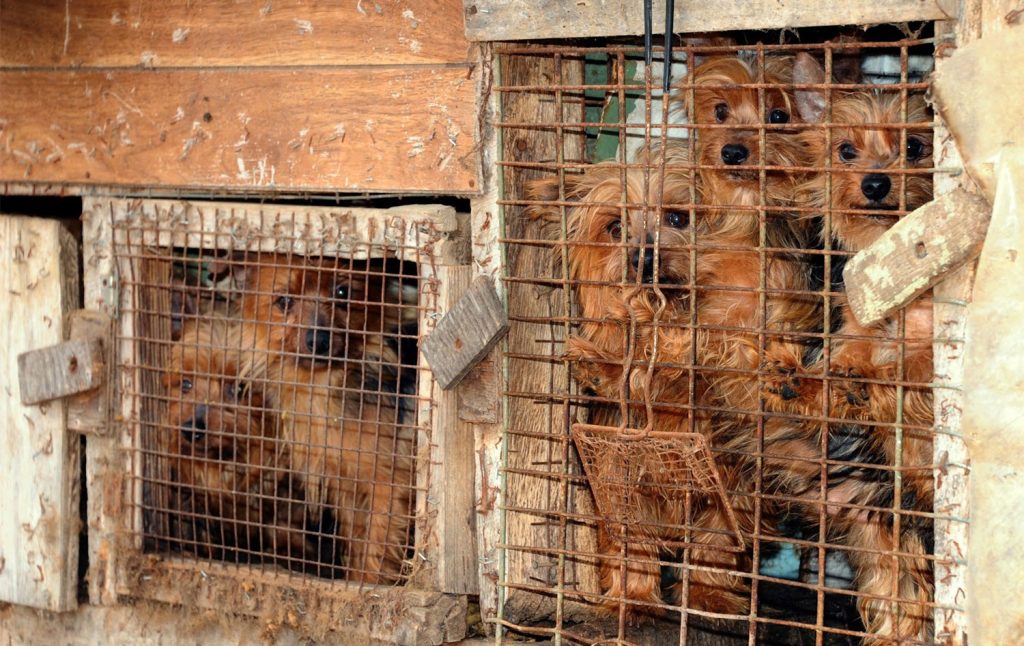
Recognizing the transformative capacity of social media is crucial for anyone passionate about making a difference in the world of animal rescue. Each post has the potential to change a life—one pet at a time. The power of these platforms to connect, educate, and inspire action should not be underestimated. Join the conversation and explore how you can contribute to this vital cause through your social media presence.
LEARN MORE: Click here to discover the benefits
How Social Media Facilitates Pet Adoption and Awareness
The influence of social media on pet adoption is increasingly significant, serving as a dynamic tool that shelters leverage to connect with potential adopters and promote responsible pet ownership. Each platform offers unique features that enhance the visibility of adoptable animals, transforming adoption from a slow and often daunting process into a swift, community-driven experience. This transition is vital, particularly when considering the alarming number of animals abandoned yearly in the U.S.
One of the most compelling advantages of social media is its ability to reach vast audiences. A single post showcasing an available pet can be shared or liked thousands of times, vastly multiplying its reach. This is far beyond the capabilities of traditional methods, like flyers or local newspapers, which have limited circulation. In contrast, social media encourages organic sharing and engagement, enabling posts to accumulate views from individuals who may not be actively seeking a pet but are inspired by the stories they encounter.
- Visual storytelling: Platforms like Instagram capitalize on the visual nature of pet adoption. High-quality photos and videos that highlight the personalities of these animals can elicit emotional reactions, compelling users to take immediate action. Posts that include videos of playful kittens or dogs in action often go viral, directly resulting in increased adoption inquiries.
- Community collaboration: Social media allows rescue organizations to collaborate with local businesses, influencers, and community figures. These partnerships can amplify their messages and attract a broader audience. For instance, local influencers showcasing a shelter pet on their platform can lead directly to successful adoptions.
- Live streaming events: Many shelters are now hosting live streaming events on platforms like Facebook or Instagram. These interactive sessions introduce viewers to adoptable animals in real-time, creating a sense of urgency as they can ask questions and immediately express interest.
- Targeted advertising: Social media offers paid advertising options that can target specific demographics, ensuring that posts about adoptable pets are seen by those most likely to adopt. This precision increases effectiveness, leading to quicker placements for animals in need of forever homes.
Research indicates that the presence of social media can significantly boost adoption rates. A study conducted by the ASPCA revealed that shelters utilizing social media strategies saw a notable increase in adoption applications—sometimes more than double the rates of those not utilizing these platforms. The effectiveness of online campaigns is backed by data, suggesting that social media produces measurable results in the fight against abandonment.
Moreover, social media serves as a vital educational tool, providing an easy avenue for shelters to disseminate information on responsible pet ownership. Posts that promote spaying and neutering, as well as advice on pet care, help foster informed communities. These discussions play an essential role in preventing future abandonment by equipping potential pet owners with knowledge about the responsibilities associated with pet care.
In conclusion, social media has emerged as an indispensable asset in the realm of animal rescue and adoption. Its ability to connect, educate, and inspire individuals positions it as a catalyst for change, fostering communities that prioritize rescuing animals and raising awareness about abandonment. Understanding and harnessing the power of these platforms is critical for anyone committed to improving the lives of abandoned pets.
The Role of Social Media in Promoting the Adoption of Rescued Pets
Social media platforms, such as Facebook, Instagram, and Twitter, serve as vital tools for animal shelters and rescue organizations in their mission to promote the adoption of rescued pets. With millions of users engaging daily, these platforms offer a unique opportunity to reach a broad audience. Through the use of eye-catching images and compelling stories, shelters are able to showcase the personality, charm, and individual needs of their animals, turning potential adopters into advocates.
Successful campaigns utilize viral hashtags, such as #AdoptDontShop, to raise community awareness and encourage participation in local adoption events. These hashtags not only enhance visibility but also foster a sense of community amongst animal lovers, motivating them to share their experiences and successes. In many cases, animals featured regularly on social media platforms find homes faster than those that are not, highlighting the power of visual storytelling in fostering emotional connections.
Raising Awareness about Pet Abandonment
Alongside promoting adoption, social media plays a critical role in educating the public about the issue of pet abandonment. Posts that share statistics on the number of pets that end up in shelters and the consequences of abandonment can prompt meaningful discussions among followers. Engaging content, including infographics, videos, and testimonials, can capture attention and spark empathy towards this important cause.
Furthermore, campaigns that showcase adoptable pets, while simultaneously addressing the broader topic of abandonment, allow organizations to adopt a multi-faceted approach. By informing the public about responsible pet ownership and the long-term commitment involved in having a pet, these messages can resonate deeply and create a deeper understanding of the issue.
| Social Media Impact | Adoption Benefits |
|---|---|
| Increased Visibility | Faster matches for rescued pets |
| Community Engagement | Shared experiences encourage adoption |
Such strategies not only help in controlling the number of abandoned pets but also create a society that values and protects animal welfare. With the ongoing rise of social media influence, the future looks promising for rescued animals as the potential for increased adoption rates continues to grow.
DIVE DEEPER: Click here to learn more
The Impact of Social Media Campaigns on Animal Welfare
Beyond mere visibility, social media plays a crucial role in driving engagement and developing a sense of community among animal lovers. Campaigns that highlight the plight of abandoned pets can spark conversations and mobilize support, thereby creating a proactive environment for pet adoption and advocacy.
A poignant example of this is the viral #AdoptDontShop movement. This hashtag has united countless social media users in an effort to discourage purchasing pets from breeders and stores, emphasizing the importance of adopting animals from shelters instead. The movement not only illustrates the ethical considerations surrounding pet ownership but also serves as a rallying cry that motivates users to share and advocate for adoptable pets in their local communities.
- Engaging content creation: Animal shelters and rescue organizations are harnessing the creativity of social media to craft engaging and informative content. Adopting a mix of storytelling, fun facts, and adorable animal antics allows these organizations to cultivate a loyal following while simultaneously educating audiences about abandonment issues and pet welfare.
- Success stories: Highlighting successful adoptions through testimonials and before-and-after photos of rescued pets captures the emotional journey of both animals and their new families. These stories resonate deeply with audiences and inspire them to consider bringing a rescue pet into their own lives.
- Grassroots fundraising: Social media also enables shelters to run fundraising campaigns more effectively. Platforms like Facebook and GoFundMe allow organizations to share their funding needs in real time, rallying support for vet care, food supplies, and other essential services. Crowdsourced funding has proven especially effective during crisis situations, such as natural disasters or economic downturns when resources are depleted.
Statistics reveal the profound impact of social media on community outreach. According to a report recently published by the Humane Society of the United States, organizations that actively engage with their communities online experience a 30% higher rate of community support. This is particularly evident in larger metropolitan areas where the social media landscape is saturated with pet-related content, further solidifying the role of social media in bridging gaps between rescues and potential adopters.
Moreover, the rise of social media influencers within the pet adoption community has transformed the landscape of pet advocacy. Respected pet influencers using their platforms for animal rescue provide an authentic touch to the adoption process. These individuals often showcase their experiences with shelter animals, sharing curated content that informs and entertains their followers. By doing so, they foster a compassionate culture around pet adoption that echoes across their audiences, creating ripples of awareness about the responsibilities of pet ownership.
Social media’s capabilities extend into activism as well. Campaigns focused on legislative changes advocate for stronger protections against animal abandonment and cruelty. Groups utilize tools like Twitter campaigns or Facebook events to mobilize supporters, finalize petitions, or organize protests, directly impacting policies that affect animal welfare. The speed and accessibility of these platforms allow advocates to raise awareness about pressing issues, swaying public opinion and prompting authorities to act.
The profound connection between social media and the promotion of pet adoption and awareness is undeniable. This digital engagement cultivates a ripple effect, encouraging individuals to act not only as potential adopters but also as advocates for abandoned animals. Through storytelling, community engagement, and a shared sense of purpose, social media continues to be a powerful ally in the pursuit of animal welfare.
DISCOVER MORE: Click here to learn how pets can enhance your well-being</
Conclusion
As we navigate an increasingly digital world, the influence of social media on the adoption of rescued pets and the awareness of abandonment issues cannot be overstated. Platforms such as Instagram, Facebook, and Twitter have transformed traditional outreach, allowing for real-time engagement, storytelling, and community building. The #AdoptDontShop movement is just one of many examples demonstrating how social media can shift public perceptions and inspire action against the unethical practices of pet breeding.
Animal shelters and rescue organizations are now equipped with innovative tools to reach broader audiences. By showcasing success stories, engaging content, and urgent fundraising efforts, they have cultivated vibrant online communities that amplify the voices of both the animals in need and the advocates fighting for them. This collaborative energy fosters a culture of compassion, leading to an increased willingness to adopt or support initiatives aimed at combatting pet abandonment.
Moreover, the rise of pet influencers amplifies the message, providing relatable figures that resonate with potential adopters. These influencers humanize the cause, making it accessible to diverse audiences while instilling a sense of responsibility among current pet owners. Their reach and authenticity play a crucial role in changing attitudes and behavior towards pet adoption.
Ultimately, the synergy between social media and animal welfare creates a formidable opportunity to reshape our communities. As advocacy grows and awareness spreads, social media not only champions the cause of abandoned pets but also paves the way for future legislative changes and stronger protections. It serves as a clarion call, inviting everyone to participate in this vital movement and reminding us that every like, share, and post can contribute to a better life for animals in need. Mobilizing our collective voices, we hold the power to make a lasting impact in the world of animal rescue.
Related posts:
The Importance of Education on the Adoption of Rescued Animals in Schools
How to Choose the Ideal Rescued Pet for Your Family: Practical Tips and Considerations
The Emotional and Psychological Benefits of Adopting Rescue Animals
The role of rescue organizations in promoting responsible animal adoption
The Impact of Animal Rescue on the Community: Success Stories
Inspiring Stories of Volunteers in Rescued Animal Shelters

Linda Carter is a writer and pet care expert specializing in pet health, grooming, and wellness. With extensive experience helping pet owners create safe, loving, and enriching environments for their animals, Linda shares her knowledge on our platform. Her goal is to empower readers with practical advice and strategies to ensure their pets thrive and lead joyful, healthy lives.